


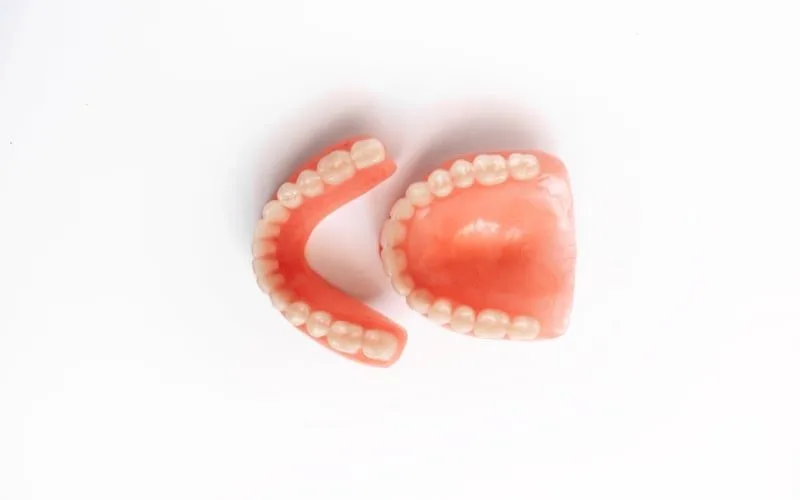
Dentures that once fit comfortably can gradually develop problems as your mouth naturally changes over time. Many denture wearers assume minor discomfort is normal, but recognising denture adjustment signs early can help prevent more serious issues and maintain your quality of life.
At Sunbury Dental House, we regularly help patients from Sunbury, Gisborne, and Diggers Rest who are experiencing denture problems. Understanding when your dentures need professional attention can help you maintain proper fit, function, and oral health.
Why Dentures Need Adjustment Over Time
Even well-made dentures don’t last forever without maintenance. Your mouth undergoes continuous changes that affect how dentures fit and function.
After tooth loss, the jawbone gradually resorbs or shrinks over time. This process is most rapid during the first year but continues throughout life. As the bone changes shape, dentures that once fit perfectly may become loose or uncomfortable. The soft tissues in your mouth also change due to aging, pressure from dentures, health changes, weight fluctuations, and medications. The denture material itself experiences wear from daily use, cleaning, and contact with oral tissues.
Common Denture Adjustment Signs to Watch For
Recognising when your dentures need professional attention helps prevent more serious complications.
Looseness and Movement
If your dentures slip when talking, eating, or laughing, this often indicates the fit has changed. You might notice needing more adhesive than before, or that adhesive no longer helps. Clicking sounds during speaking or chewing can also signal movement problems.
Discomfort and Pain
Persistent pain isn’t normal. Denture adjustment signs related to discomfort include sore spots that don’t resolve, generalised pain under dentures, sharp or rubbing sensations, and discomfort that worsens throughout the day.
Changes in Bite or Appearance
Signs include difficulty chewing certain foods, feeling that your bite is “off,” changes in facial appearance, and denture teeth not meeting properly when biting.
Speech Difficulties
Dentures that don’t fit properly can affect speech through clicking sounds, difficulty pronouncing words, whistling sounds, or feeling that you need to hold dentures in place while speaking.
Specific Signs Your Dentures Need Relining
Relining involves adding new material to the tissue side of dentures to improve fit as your mouth changes.
If you can see space between your dentures and gums, especially along the edges, this suggests the denture base no longer matches your tissue contours. Dentures that rock or tip when you bite indicate uneven contact with your gums. Needing significantly more adhesive than when dentures were new often means the fit has deteriorated. Food consistently getting trapped under dentures indicates gaps that relining can address.
Sometimes denture problems stem from minor fit issues that adjustments can resolve. Single sore spots may respond to simple adjustments where small amounts of material are removed. Sharp denture edges that rub can often be adjusted by smoothing or shortening the borders.
Complications of Ignoring Denture Problems
Continuing to wear ill-fitting dentures can lead to various problems beyond discomfort.
Poorly fitting dentures can cause chronic irritation leading to inflamed tissues, development of sore spots or ulcers, and accelerated bone loss. When dentures don’t function properly, you may avoid certain foods, potentially affecting nutrition and digestion. Denture problems can also affect quality of life through embarrassment about denture movement, reduced confidence in social situations, and speech difficulties affecting communication.
How Long Dentures Should Last Between Adjustments
Understanding typical maintenance timelines helps you plan for ongoing denture care.
New dentures often require multiple adjustments during the first few months as tissues adapt. Established dentures may need periodic adjustments annually or as problems develop. Most dentures benefit from relining every one to three years, depending on how rapidly your mouth changes. Complete denture replacement is typically recommended every five to seven years, though some may last longer with proper care.
What to Expect During Professional Evaluation
Your dental professional will examine your dentures for wear, damage, and fit accuracy, assess your oral tissues for signs of irritation, evaluate your bite relationship, and discuss any symptoms you’re experiencing. Based on the evaluation, recommendations might include simple adjustments, soft or hard relining, repairs for damaged areas, or replacement if needed.
Maintaining Dentures Between Professional Visits
Proper home care extends denture life and helps you recognise problems early. Clean dentures thoroughly after meals using appropriate cleaners, rinse your mouth and massage gums after removing dentures, soak dentures overnight in appropriate solution, handle them carefully to avoid dropping, and inspect regularly for signs of wear or damage. Pay attention to how dentures feel day-to-day, note any changes in fit or comfort, don’t ignore minor problems, and schedule regular dental check-ups even if no obvious problems exist.
Seek prompt care for severe pain, visible sores that don’t heal within a week, broken dentures, or sudden changes in fit. Make an appointment when you notice gradual loosening, minor persistent discomfort, increasing adhesive use, or it’s been more than a year since your last denture check.
Recognising When It’s Time for Professional Care
Understanding denture adjustment signs helps you maintain properly functioning dentures that support your oral health and quality of life. While dentures require ongoing maintenance, professional care can address most problems effectively when recognised early.
For residents of Sunbury, Gisborne, and Diggers Rest experiencing denture concerns, professional evaluation can determine whether adjustment, relining, or other interventions might improve denture comfort and function for your individual situation.
Get Your Dentures Professionally Assessed
If you’re experiencing any signs that your dentures may need adjustment or relining, we encourage you to schedule an evaluation to discuss your concerns and explore appropriate solutions.
At Sunbury Dental House, our experienced team can assess denture fit and function, identify problems affecting your comfort or oral health, and recommend appropriate treatments to restore proper denture performance. Don’t wait until small problems become bigger issues.
Call us on 03 8820 1809 or fill out our enquiry form to schedule your denture evaluation. Comfortable, well-fitting dentures can make a significant difference in your daily life.
Frequently Asked Questions
How often should dentures be professionally checked even if they seem fine?
Most dental professionals recommend annual denture evaluations even when no obvious problems exist. Regular check-ups allow early detection of subtle changes before they cause discomfort or damage. Your dentist can also assess your oral tissues and determine if relining or adjustment might prevent future problems.
Can I adjust my dentures myself at home?
Attempting home adjustments is not recommended as you may damage dentures beyond repair or create additional problems. Professional adjustment involves precise techniques and materials not available for home use. If dentures feel uncomfortable, contact your dental professional rather than attempting self-adjustment.
What’s the difference between soft and hard relining?
Soft relining uses pliable material that may provide temporary cushioning for sensitive tissues, typically lasting several months. Hard relining uses rigid acrylic material that closely matches original denture material and typically lasts longer. Your dental professional will recommend the most appropriate type based on your specific situation and needs.