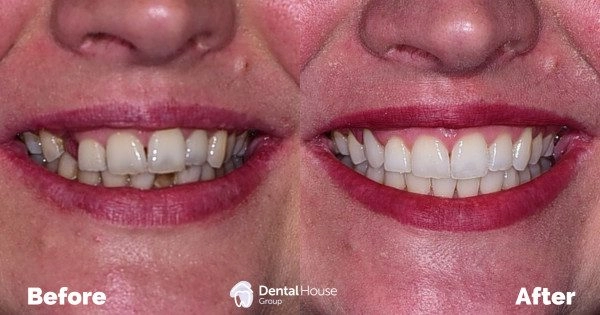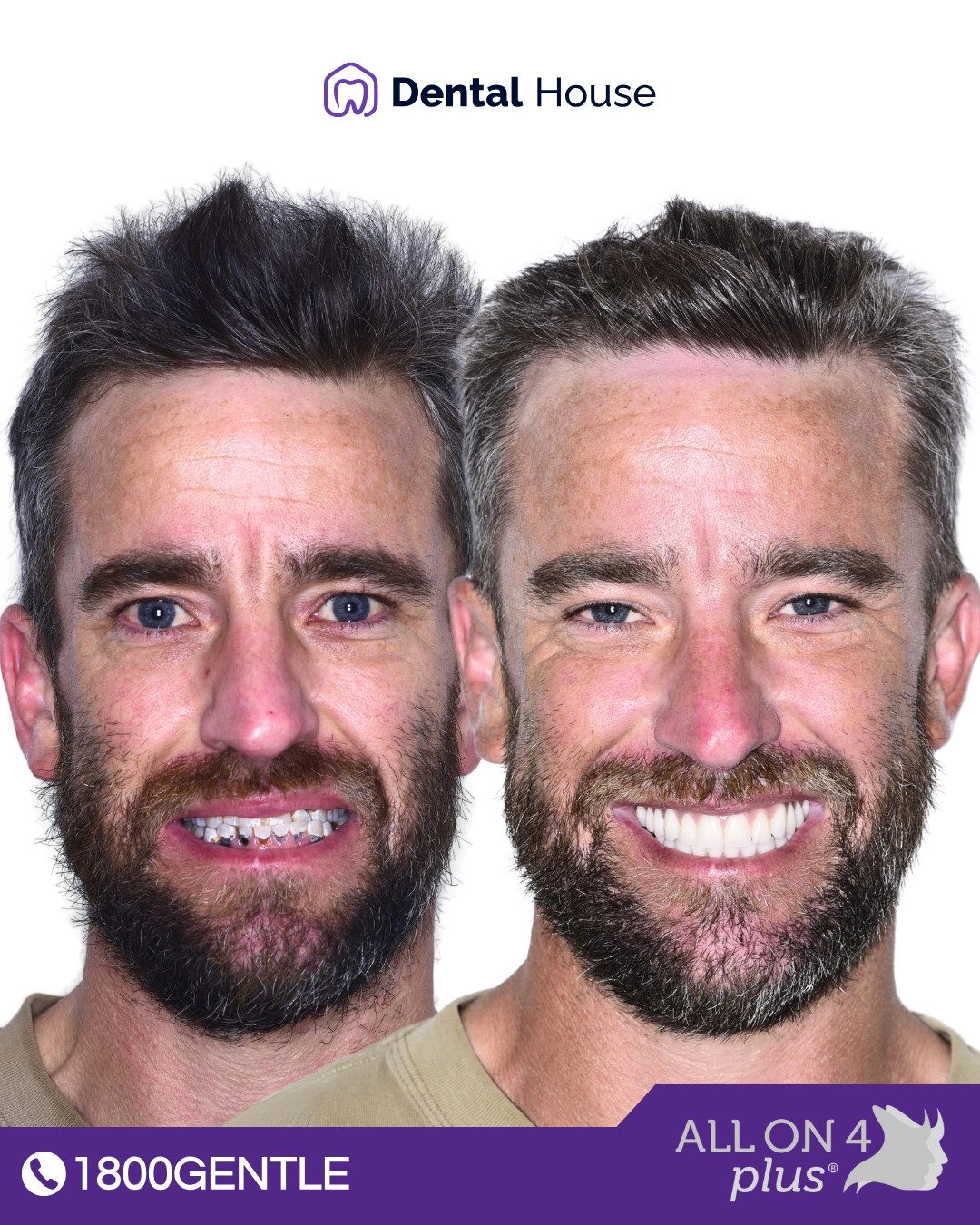
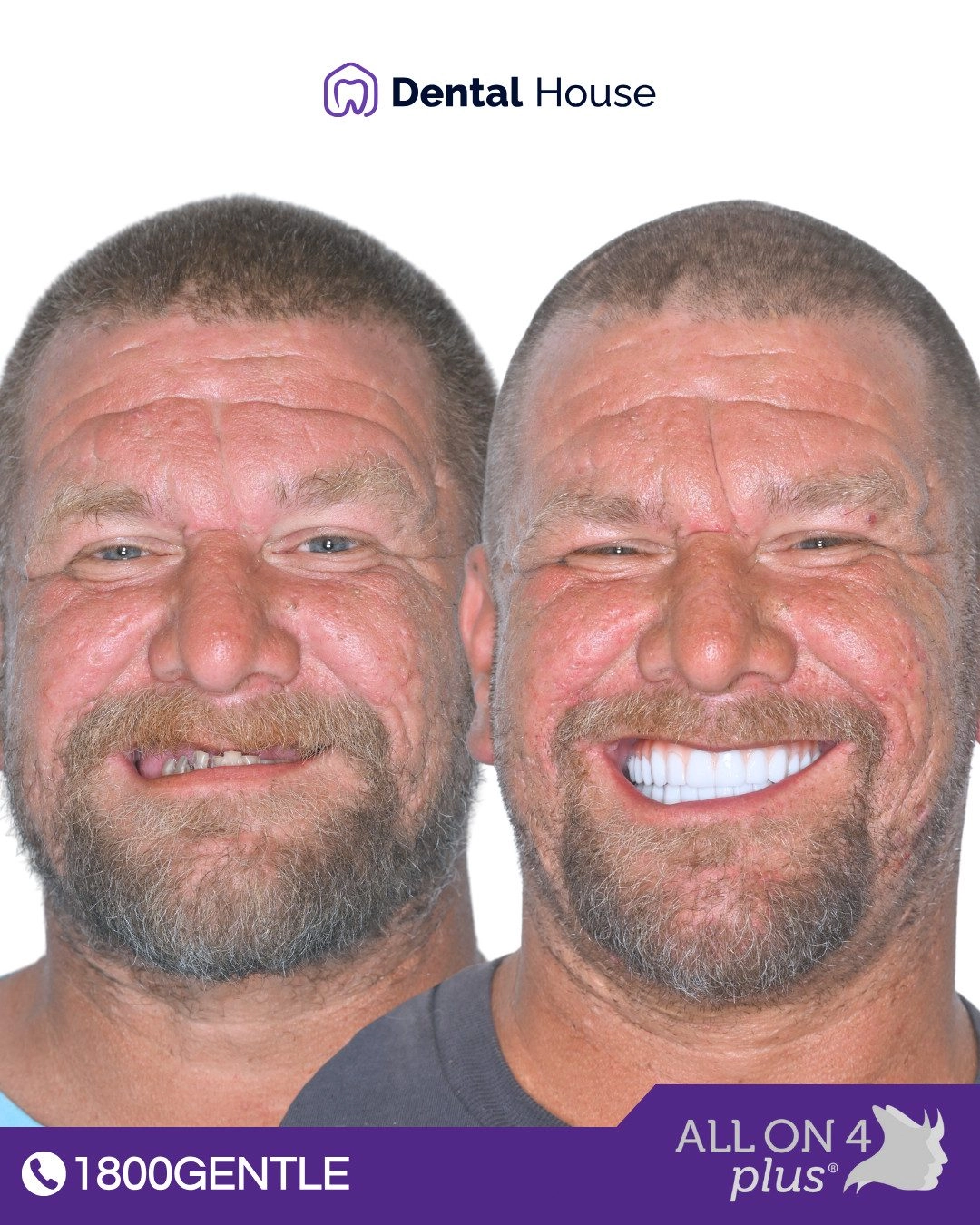
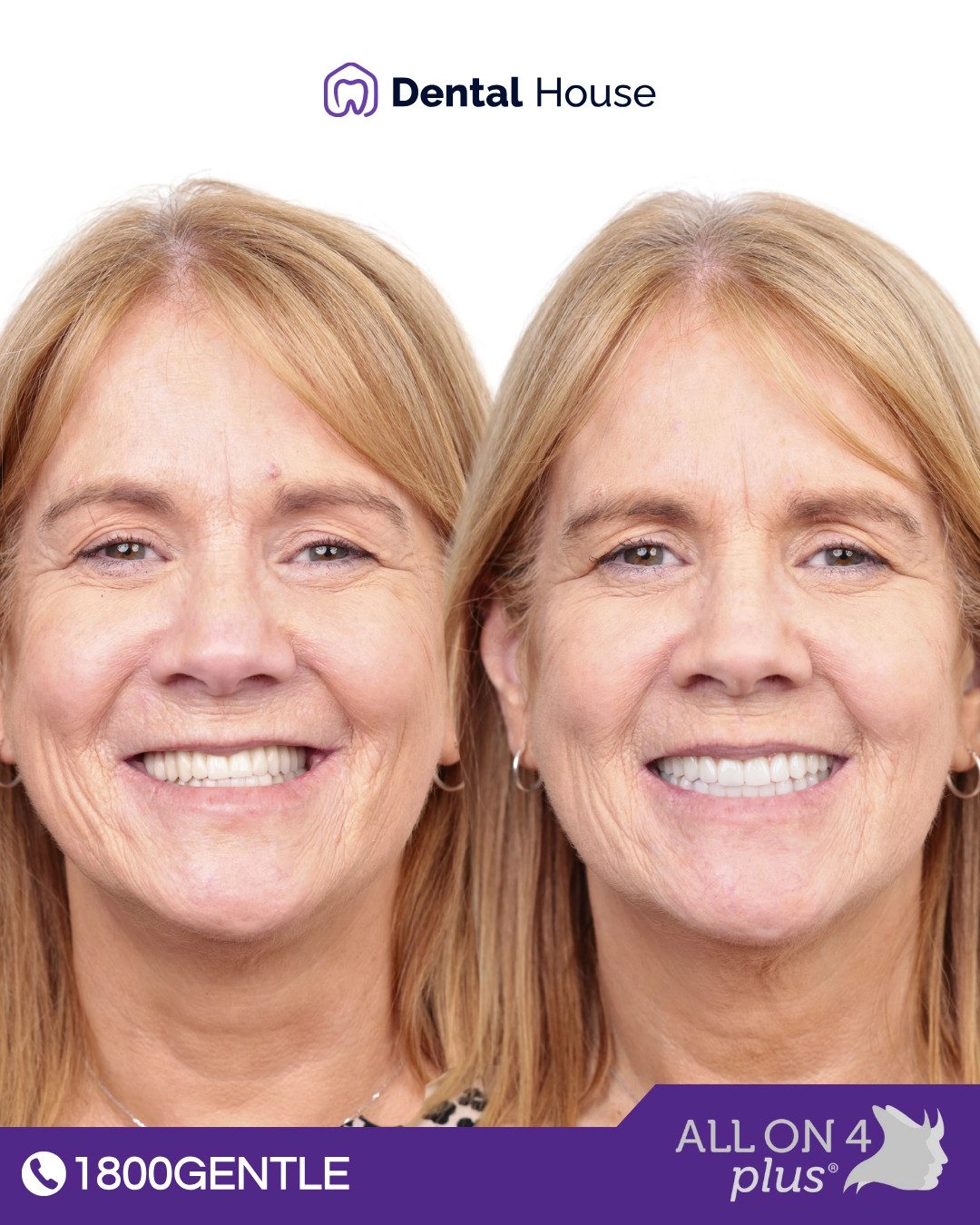
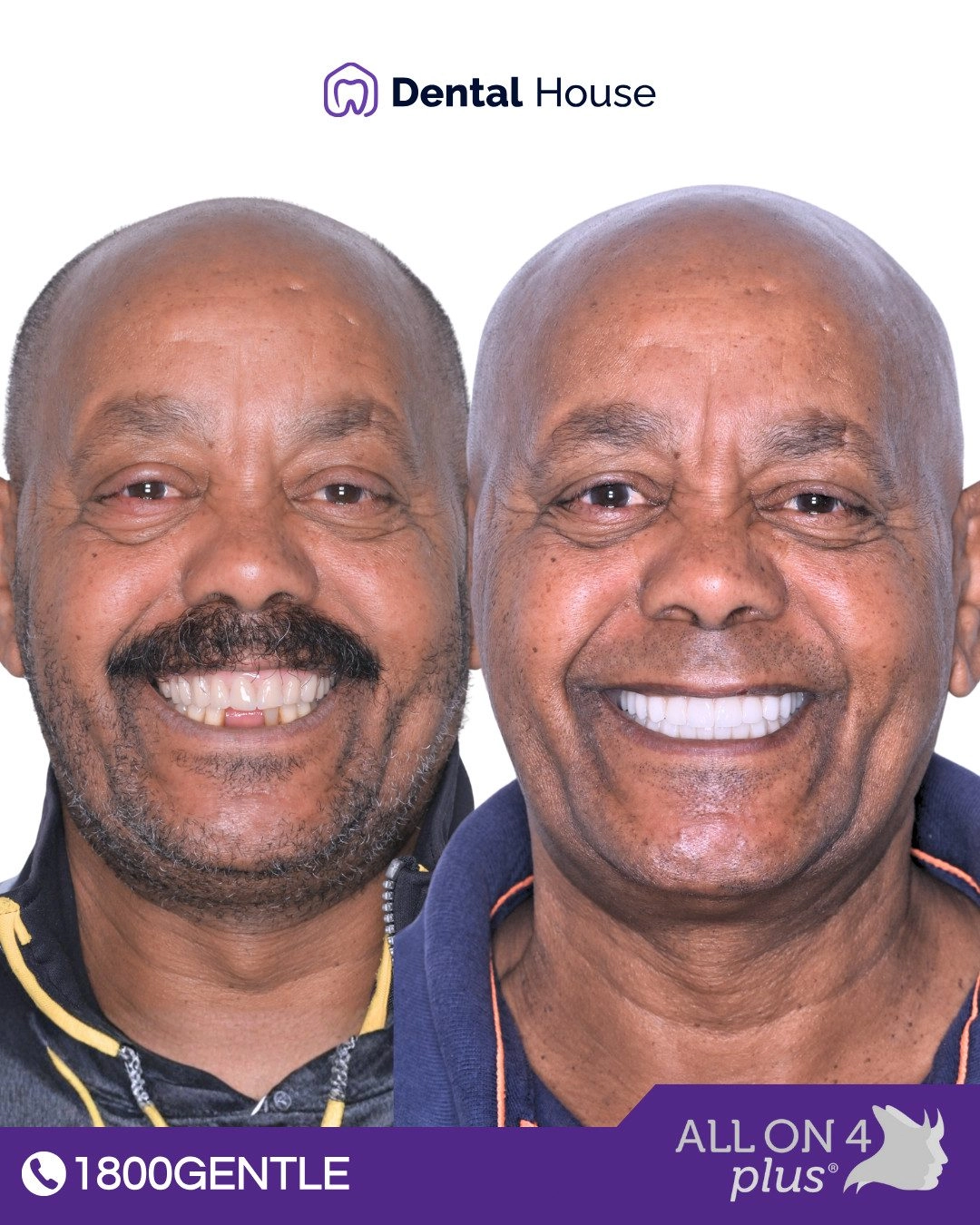
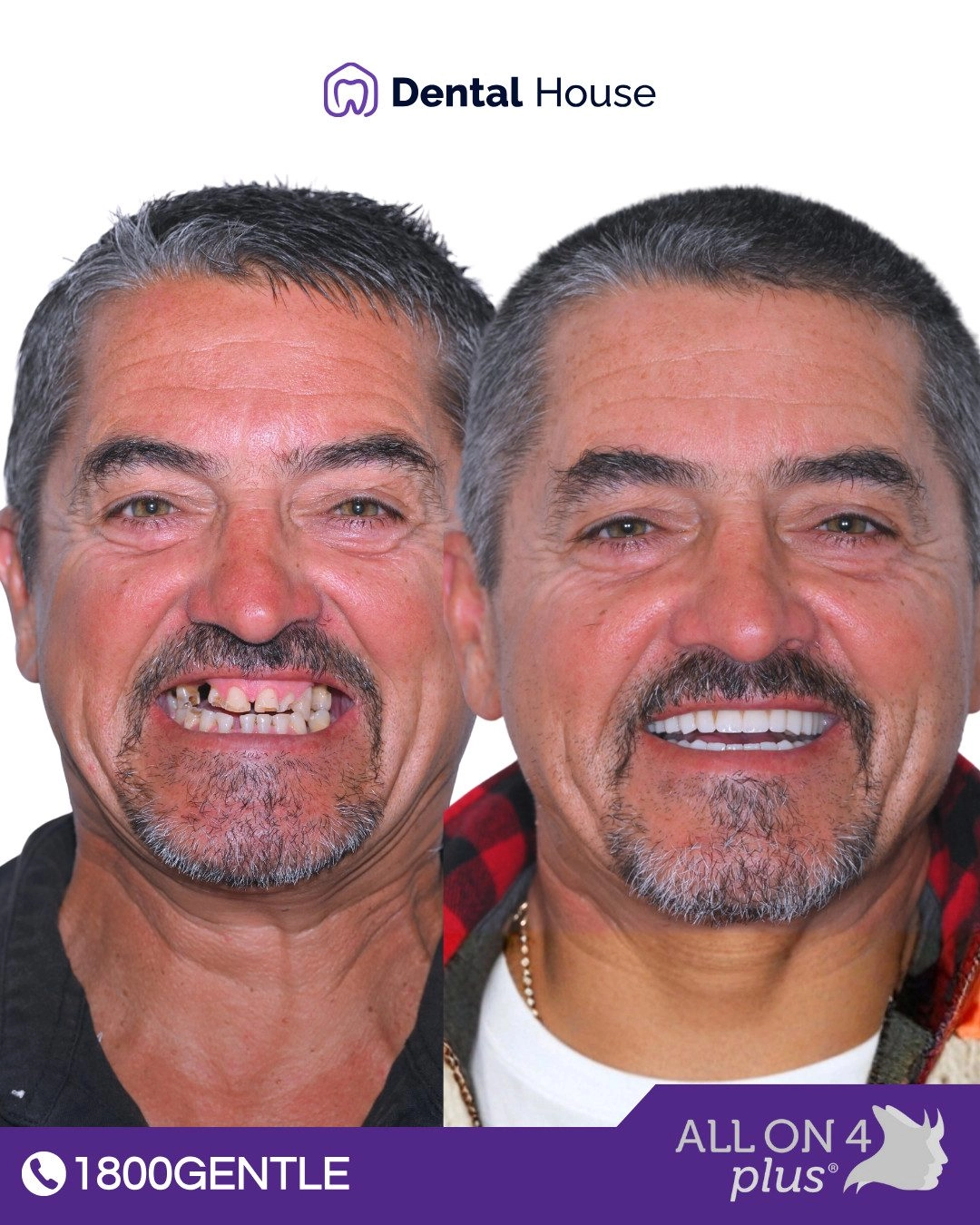
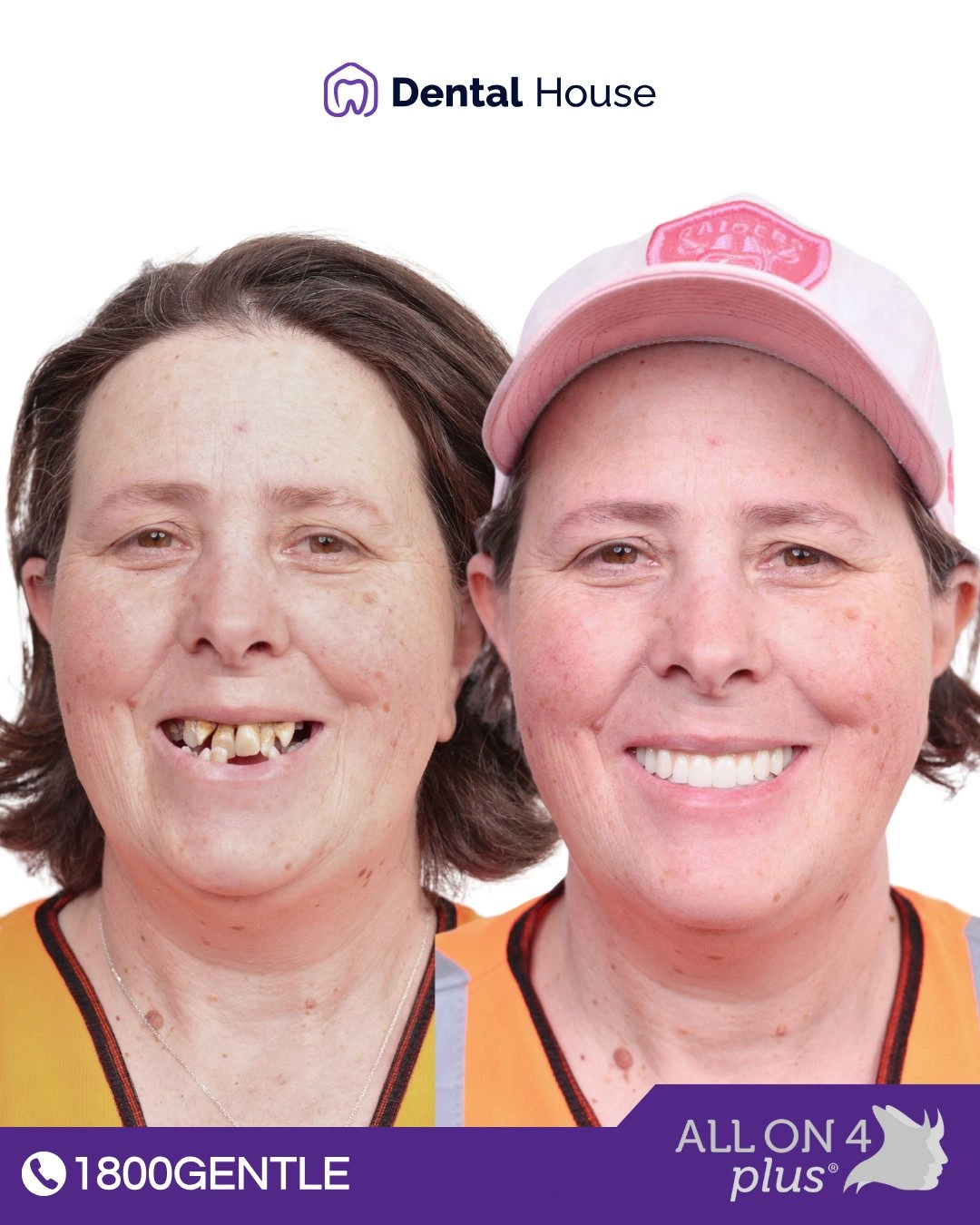

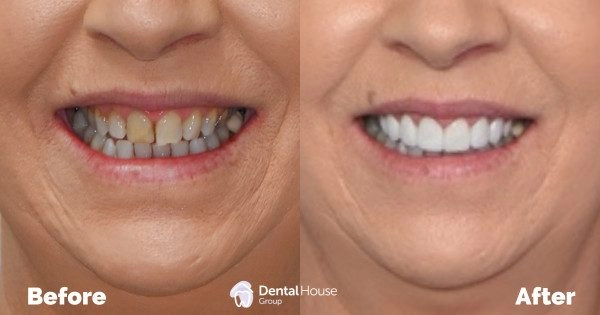

Are Porcelain Veneers Combined with Teeth Whitening Effective in Sunbury?
Presenting Clinical Problem
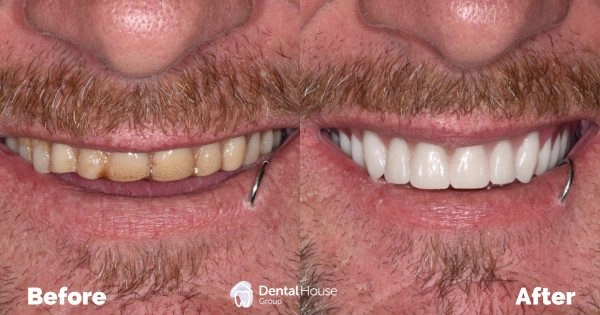
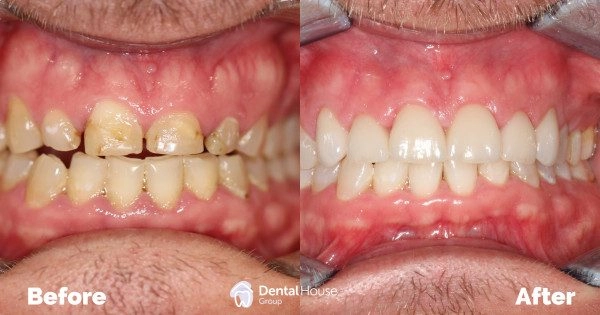
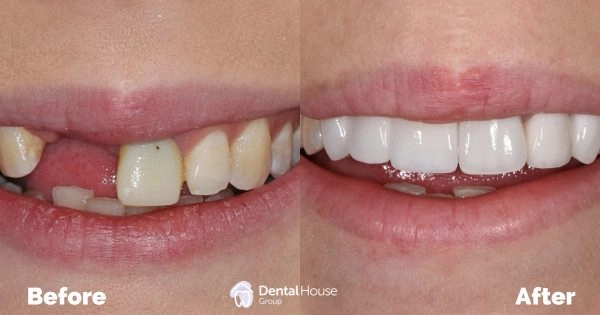
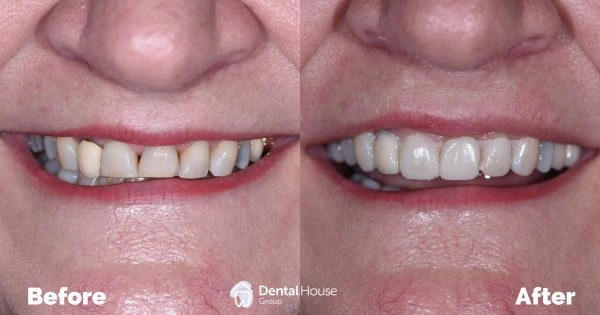
- Generalised tooth discolouration affecting aesthetic appearance
- Chipped anterior tooth compromising smile aesthetics
- Variation in tooth shape and size creating visual disharmony
- Patient concerns regarding professional appearance in client-facing role
- Primary objective: Improve tooth colour and restore damaged tooth structure
Treatment Plan & Clinical Process
Phase 1: Professional Teeth Whitening
- Baseline shade assessment and documentation
- In-chair Zoom whitening system applied according to manufacturer protocols
- Post-whitening sensitivity management as required
- Stabilisation period before restorative phase to allow shade settling
Phase 2: Veneer Treatment Planning
- Assessment of desired final tooth dimensions following whitening
- Evaluation of tooth preparation requirements
- Digital smile design to plan veneer placement
- Shade selection to match post-whitening tooth colour
- Discussion of veneer limitations and maintenance requirements
Phase 3: Veneer Preparation and Placement
- Conservative tooth preparation to accommodate porcelain thickness
- Precision impression techniques or digital scanning
- Temporary veneers during laboratory fabrication period
- Trial fitting and permanent cementation of veneers
- Post-placement care instructions and follow-up
Clinical Outcome
The treatment approach involved professional whitening to improve baseline tooth colour, followed by porcelain veneer placement to address shape, damage and specific aesthetic concerns. Treatment was completed over approximately two weeks, requiring multiple appointments for whitening, preparation and veneer placement phases.Individual responses to combined whitening and veneer treatment vary significantly. Treatment outcomes cannot be guaranteed. Teeth whitening may cause temporary sensitivity and does not produce uniform results in all cases. Porcelain veneers require irreversible tooth preparation and can chip, fracture or debond over time. Typical veneer longevity ranges from 10-15 years though outcomes vary considerably. Maintaining colour match between veneers and adjacent whitened teeth may become challenging as natural teeth continue to age and potentially darken.
Frequently Asked Questions for Sunbury Patients
Should I whiten teeth before or after getting veneers?
Whitening is typically performed before veneer placement to establish the desired baseline tooth colour. Veneers are then fabricated to match this colour. Natural teeth can be whitened, but existing restorations and veneers cannot change colour with whitening treatments. This sequencing allows for optimal colour matching, though maintaining long-term colour harmony requires ongoing care.
How long do combined whitening and veneer results last?
Professional whitening results typically last several months to 2-3 years before requiring touch-up treatments. Porcelain veneers generally last 10-15 years before requiring replacement. Natural tooth colour may darken over time whilst veneer colour remains stable, potentially creating colour mismatch that becomes more noticeable. Regular maintenance of both natural teeth and veneers is essential.
What are the risks of combining whitening with veneers?
Primary risks include temporary whitening sensitivity, potential for veneer colour mismatch as natural teeth age, and the irreversible nature of veneer preparation. If veneers require future replacement, natural tooth colour at that time may differ from original whitened shade, complicating colour matching. Not all aesthetic concerns can be fully addressed through this combination approach.