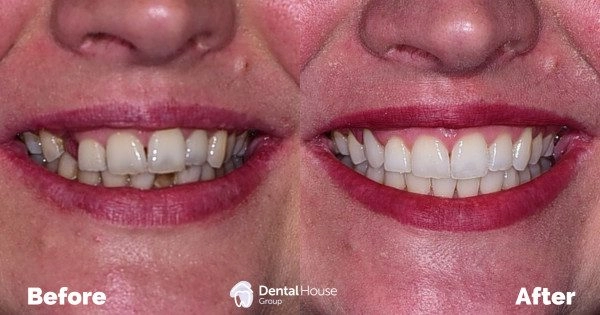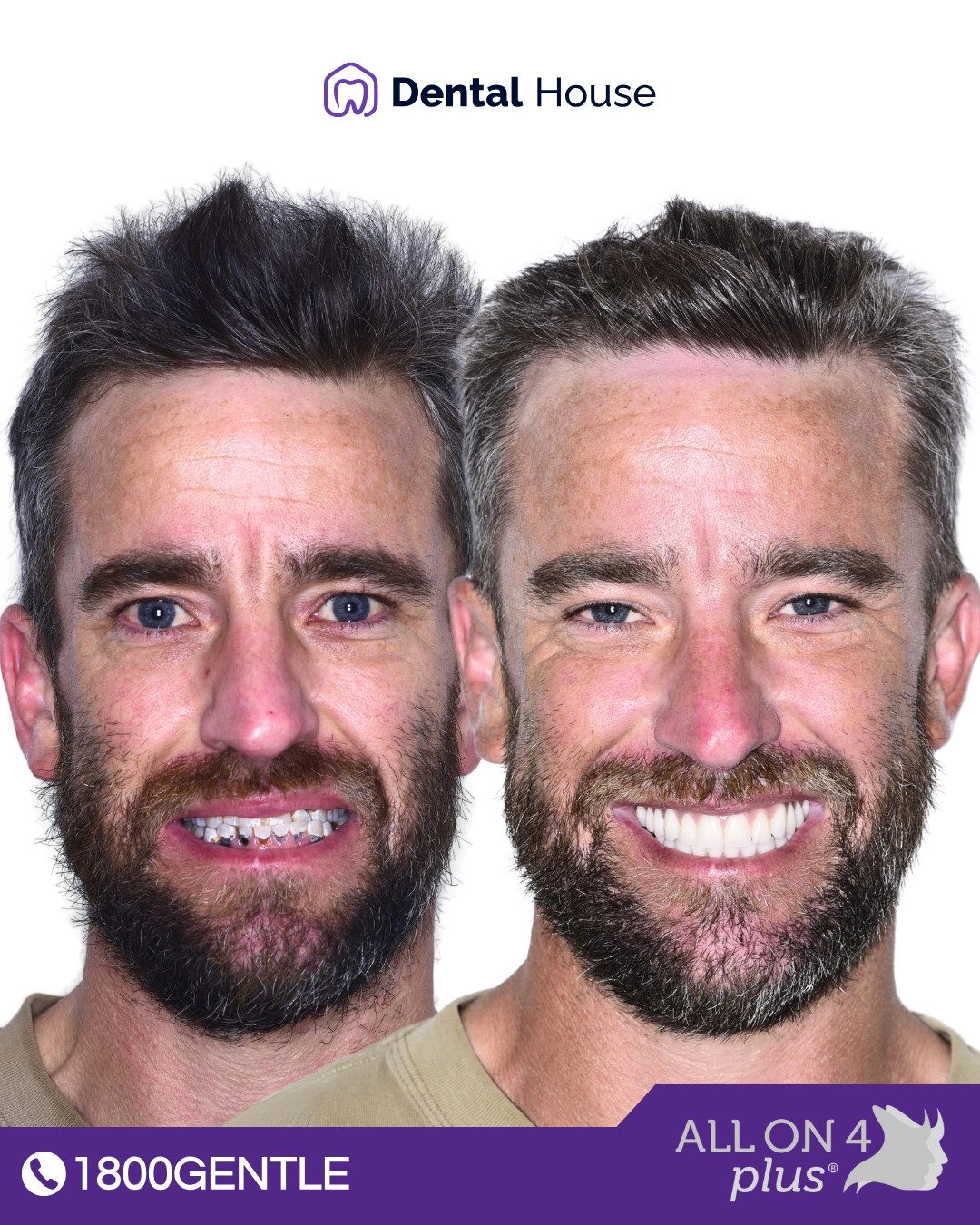
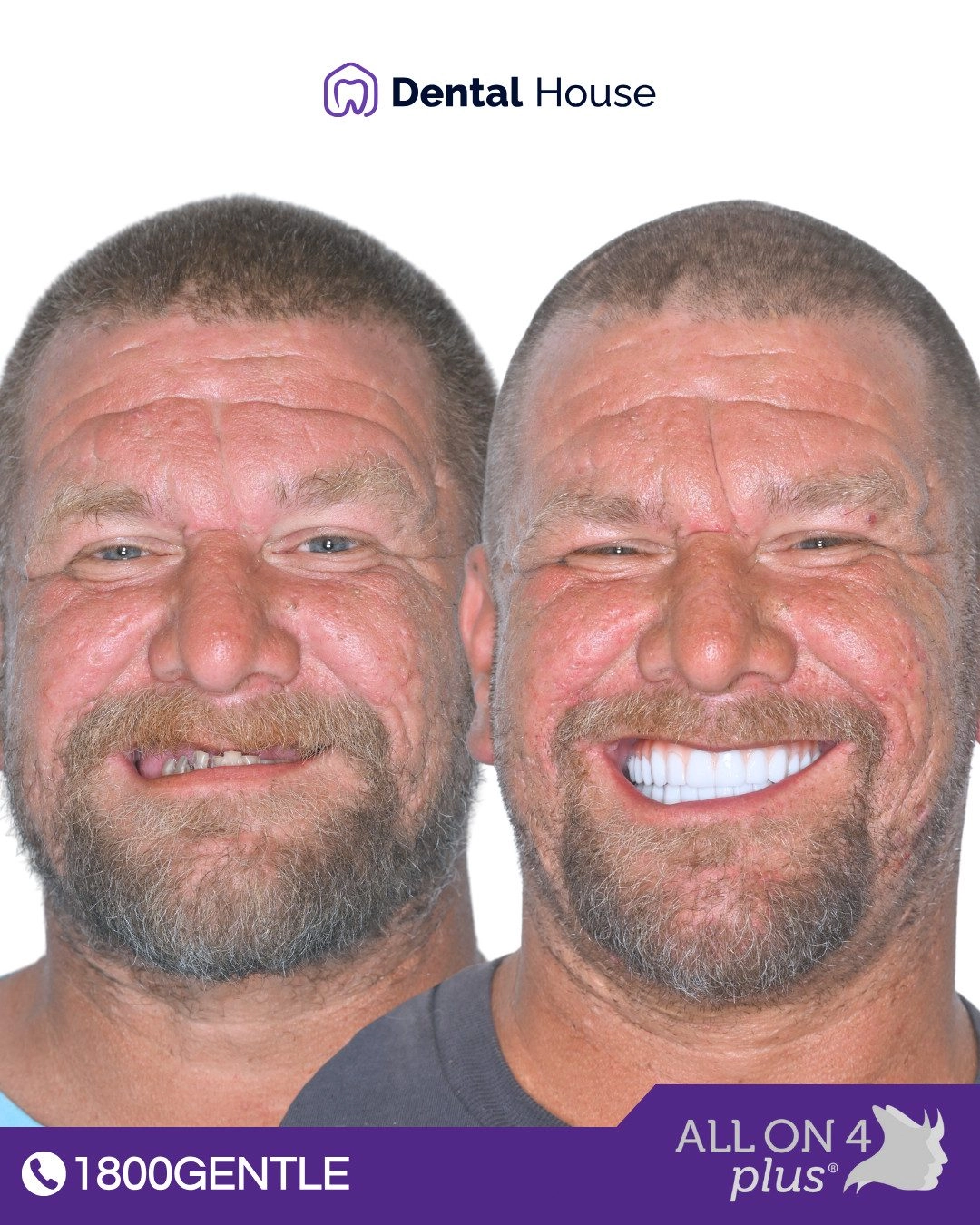


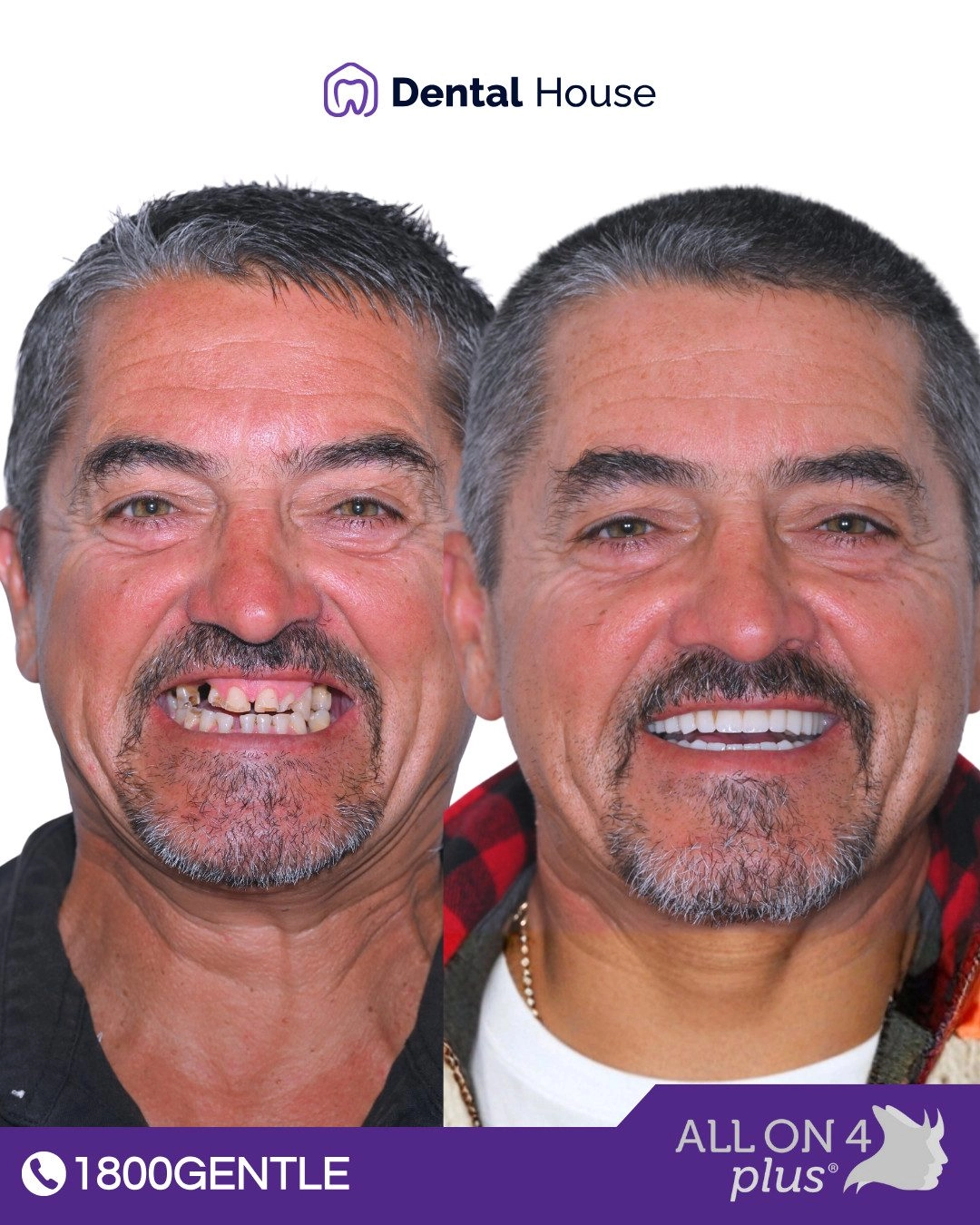


Can Multiple Porcelain Crowns Restore Discoloured and Failing Restorations in Melbourne?
Presenting Clinical Problem
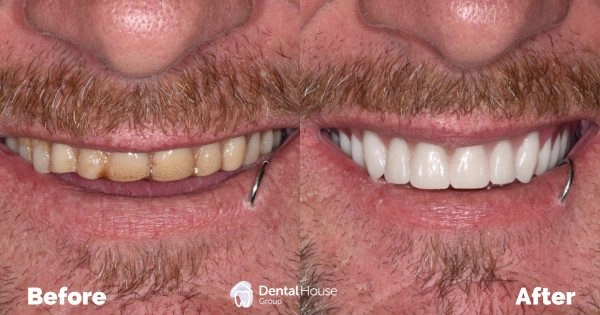
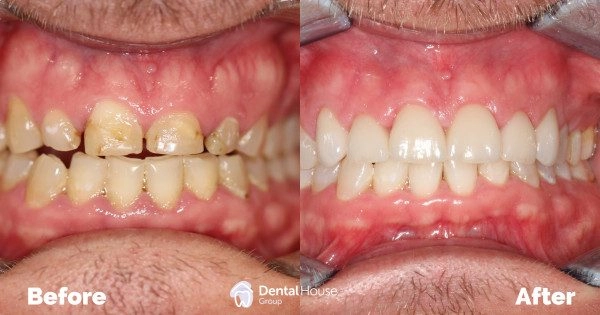
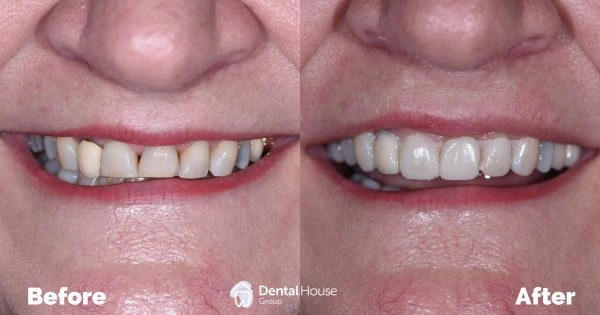
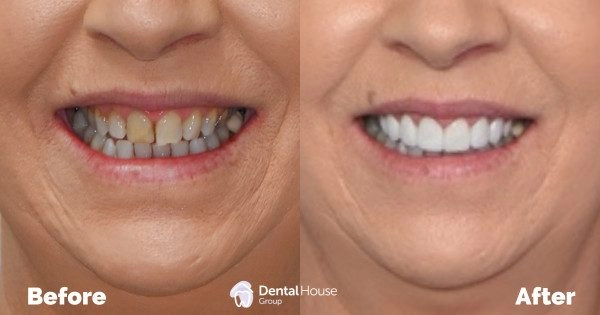
- Multiple existing restorations showing discolouration and aesthetic deterioration
- Plaque accumulation around restoration margins
- Patient concerns regarding appearance and hygiene
- Assessment indicated multiple teeth requiring crown coverage
- Primary objective: Replace failing restorations and improve overall anterior aesthetics
Treatment Plan & Clinical Process
Phase 1: Comprehensive Assessment
- Examination of existing restorations and underlying tooth structure
- Radiographic evaluation to assess tooth vitality and periapical health
- Periodontal assessment and oral hygiene optimisation
- Treatment planning for multiple crown placement sequence
- Discussion of material options, aesthetic goals and treatment timeline
Phase 2: Crown Preparation and Temporisation
- Sequential tooth preparation over multiple appointments
- Assessment of tooth structure adequacy for crown retention
- Comprehensive shade analysis and characterisation documentation
- Temporary crown placement during laboratory fabrication periods
- Oral hygiene reinforcement and tissue management
Phase 3: Definitive Crown Placement
- Trial fitting and shade verification of laboratory-fabricated porcelain
- Permanent cementation using appropriate bonding protocols
- Occlusal adjustment to ensure proper bite relationships
- Post-placement care instructions and maintenance protocols
- Follow-up evaluation of tissue response and restoration integrity
Clinical Outcome
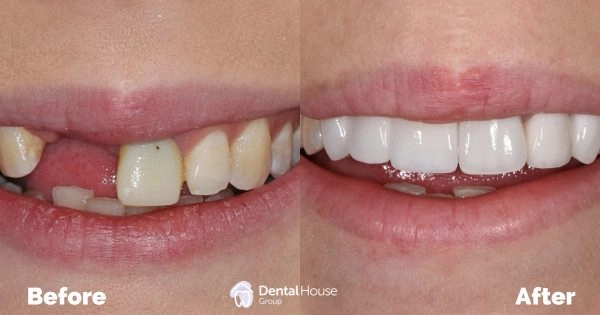
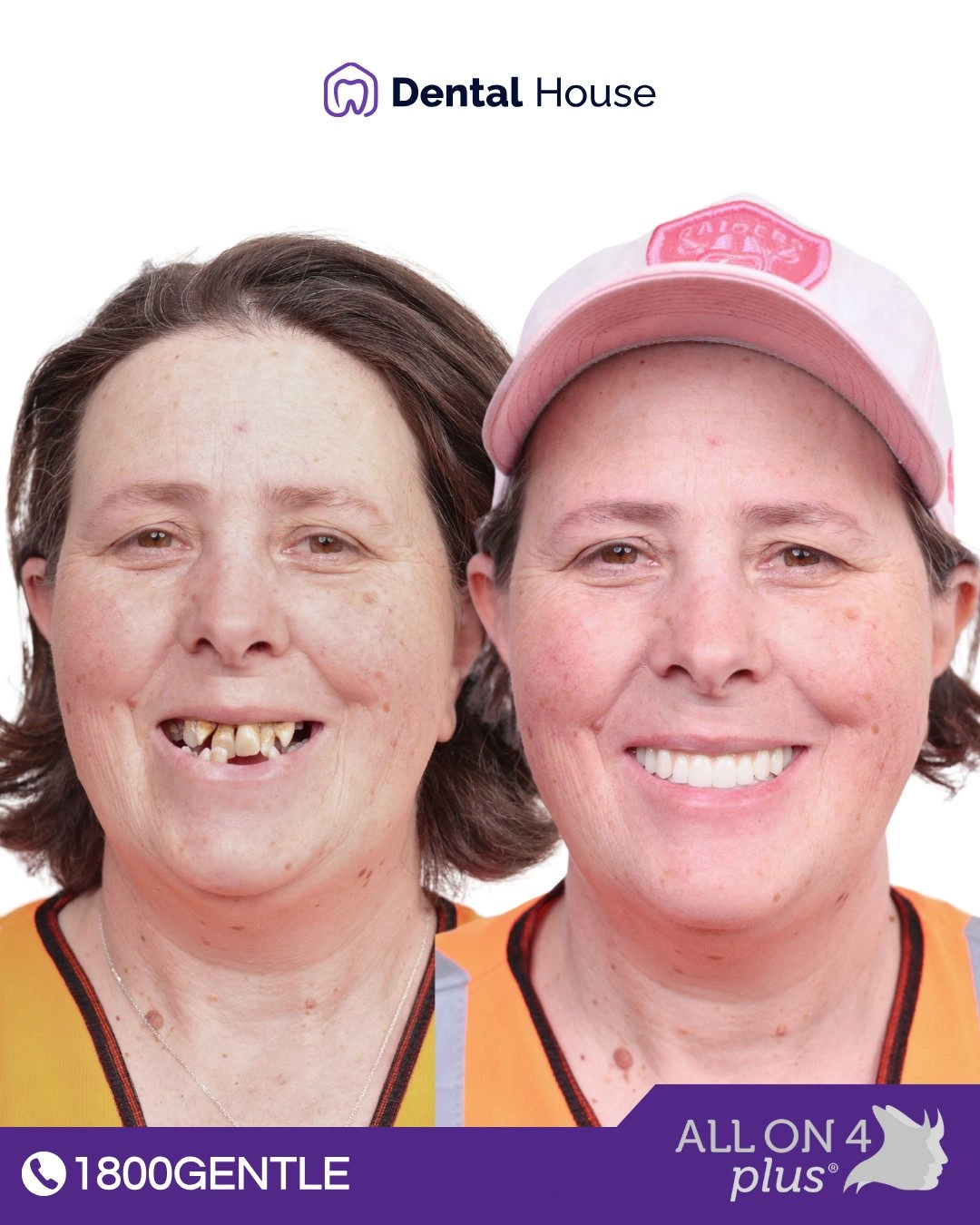
The treatment involved placing eight porcelain crowns over approximately three months to address multiple failing restorations. Staged treatment allowed for adequate healing between appointments and verification of aesthetics before completing the full rehabilitation.Individual responses to extensive crown treatment vary significantly. Treatment outcomes cannot be guaranteed. Multiple crowned teeth require meticulous oral hygiene to prevent marginal decay and periodontal disease. Porcelain crowns can fracture, debond or develop marginal discrepancies over time. Crowned teeth remain at risk for root canal complications or fracture. Typical crown longevity ranges from 10-15 years but varies considerably. Extensive restorative work represents significant financial investment with ongoing maintenance requirements.
Frequently Asked Questions for Melbourne and Bacchus Marsh Patients
Why do old restorations become discoloured?
Restoration discolouration results from material degradation, staining at margins, recurrent decay or underlying tooth discolouration showing through translucent materials. Composite restorations are particularly prone to staining over time. Metal-containing restorations can corrode, causing grey discolouration of surrounding tooth structure or gums. Replacement is typically required as discolouration usually cannot be reversed.
How many crowns can be done at once?
The number of crowns prepared in a single appointment depends on factors including treatment complexity, patient tolerance and clinical considerations. Multiple crown cases are often staged over several appointments to manage patient comfort, allow adequate healing time and verify aesthetics before completing treatment. Provisional restorations bridge the time between preparation and final crown placement.
What maintenance do multiple crowns require?
Multiple crowns require excellent oral hygiene including careful flossing between all crowned teeth, regular professional cleanings and periodic examinations to detect early signs of complications. Night guards may be recommended for patients who grind or clench. Avoiding extremely hard foods and appropriate tooth use reduces fracture risk. Regular monitoring is essential to identify marginal breakdown or recurrent decay early.