

Frequently Asked Questions
Do all uneven teeth need veneers?
Treatment approach depends on the cause and extent of unevenness. Minor irregularities might be addressed with composite bonding as a more conservative option. More significant variations in tooth size or shape typically benefit from porcelain veneers for predictable, long-lasting results.
Can veneers match natural tooth colour?
Porcelain veneers can be fabricated in a wide range of shades from natural tooth colours to brighter whites. The laboratory customises the colour to match adjacent teeth or to achieve a brighter appearance if desired. Multiple shade layers can create natural translucency and depth.
How do veneers make teeth look even?
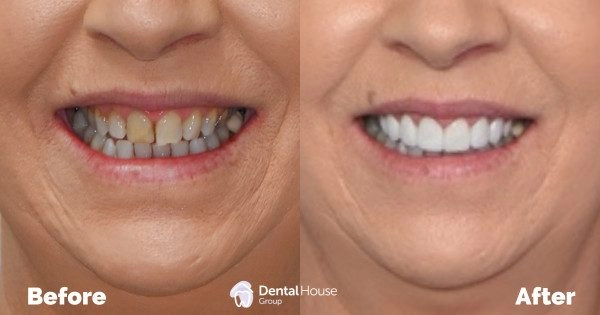
Veneers allow the dentist to add material to smaller teeth or reshape irregular teeth to create uniform dimensions. The porcelain shells are custom-designed to create the desired tooth size and shape. This approach can address variations in tooth length, width, and contour simultaneously.
Are Invisalign results permanent?
Orthodontic results require lifelong retention to maintain tooth positions. Teeth naturally tend to shift over time, particularly without retainer wear. Consistent retainer use as instructed is essential to preserve alignment achieved during active treatment.
Can Invisalign fix bite problems?
Invisalign can address many bite relationship issues including some overbites, underbites, and crossbites. However, severe skeletal jaw discrepancies may require alternative treatments. Assessment determines whether clear aligners can adequately address specific bite concerns or if other approaches are recommended.
How long does Invisalign treatment take?
Treatment duration depends on the complexity of tooth movements required. Simple cases may complete in 6-12 months, whilst more complex situations involving significant bite correction may require 12-24 months. Regular aligner wear and compliance with treatment protocols helps ensure timely progress.
How long does All-On-4 Plus® treatment take?
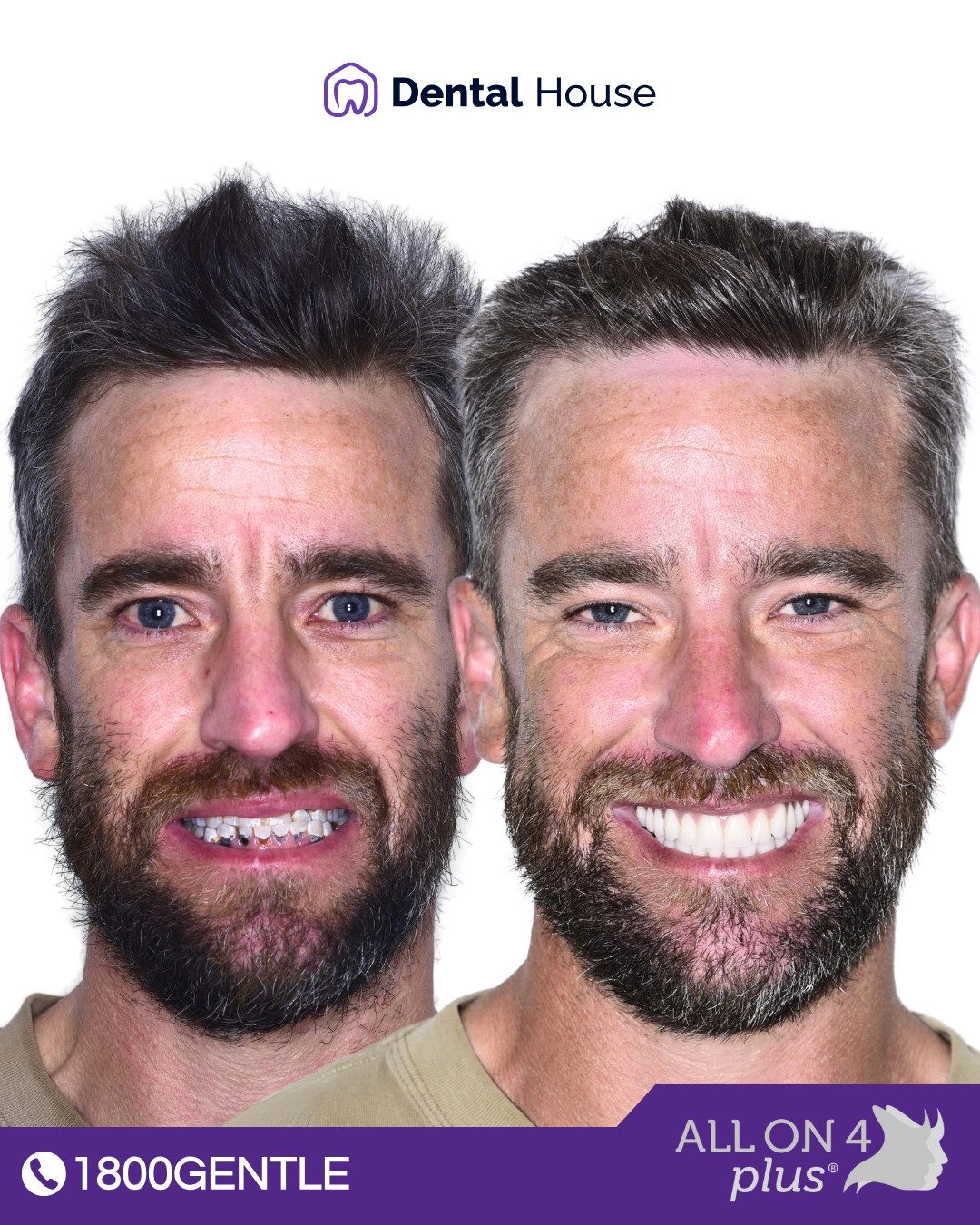
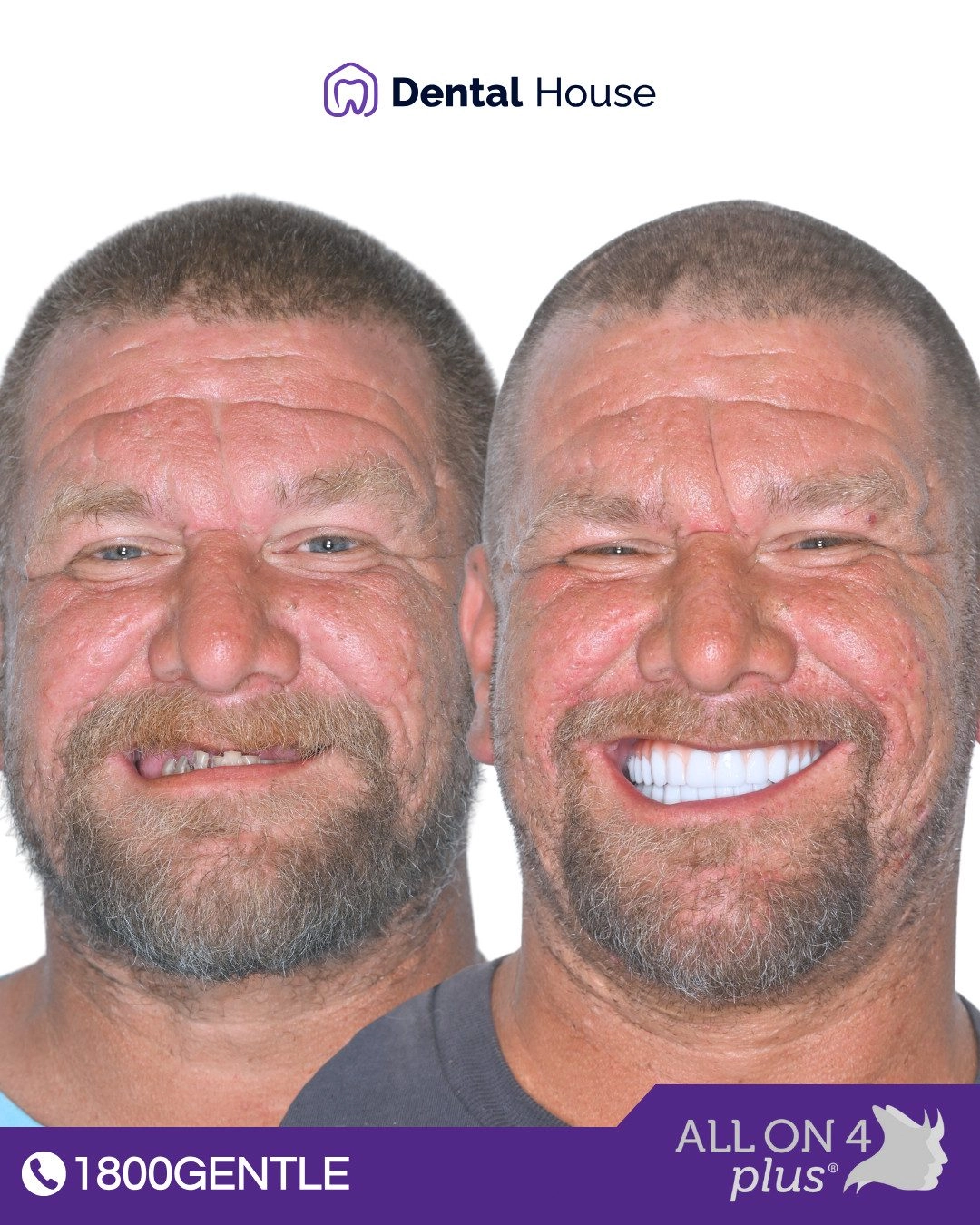
Treatment typically spans several months from initial consultation to final prosthesis delivery. Some cases may receive temporary teeth on the same day as implant placement, whilst others require a healing period before loading. Total timeline depends on individual healing and whether extractions are needed.
How is this different from traditional dentures?
All-On-4 Plus® creates permanently attached teeth that do not need to be removed for cleaning. Traditional dentures sit on the gums and must be taken out daily. Fixed implant prostheses typically provide better chewing function and stability compared to removable dentures.
What is All-On-4 Plus® treatment?
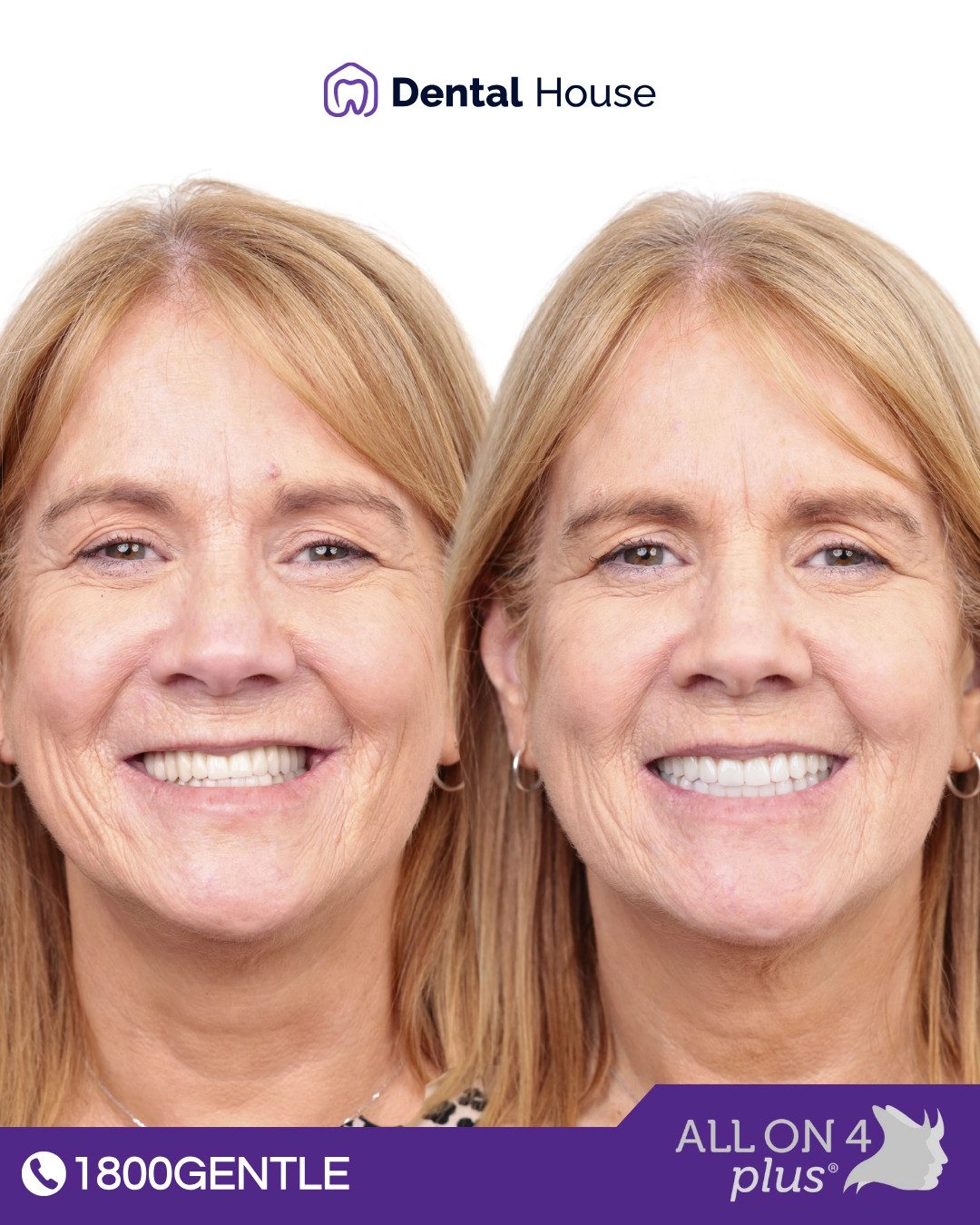
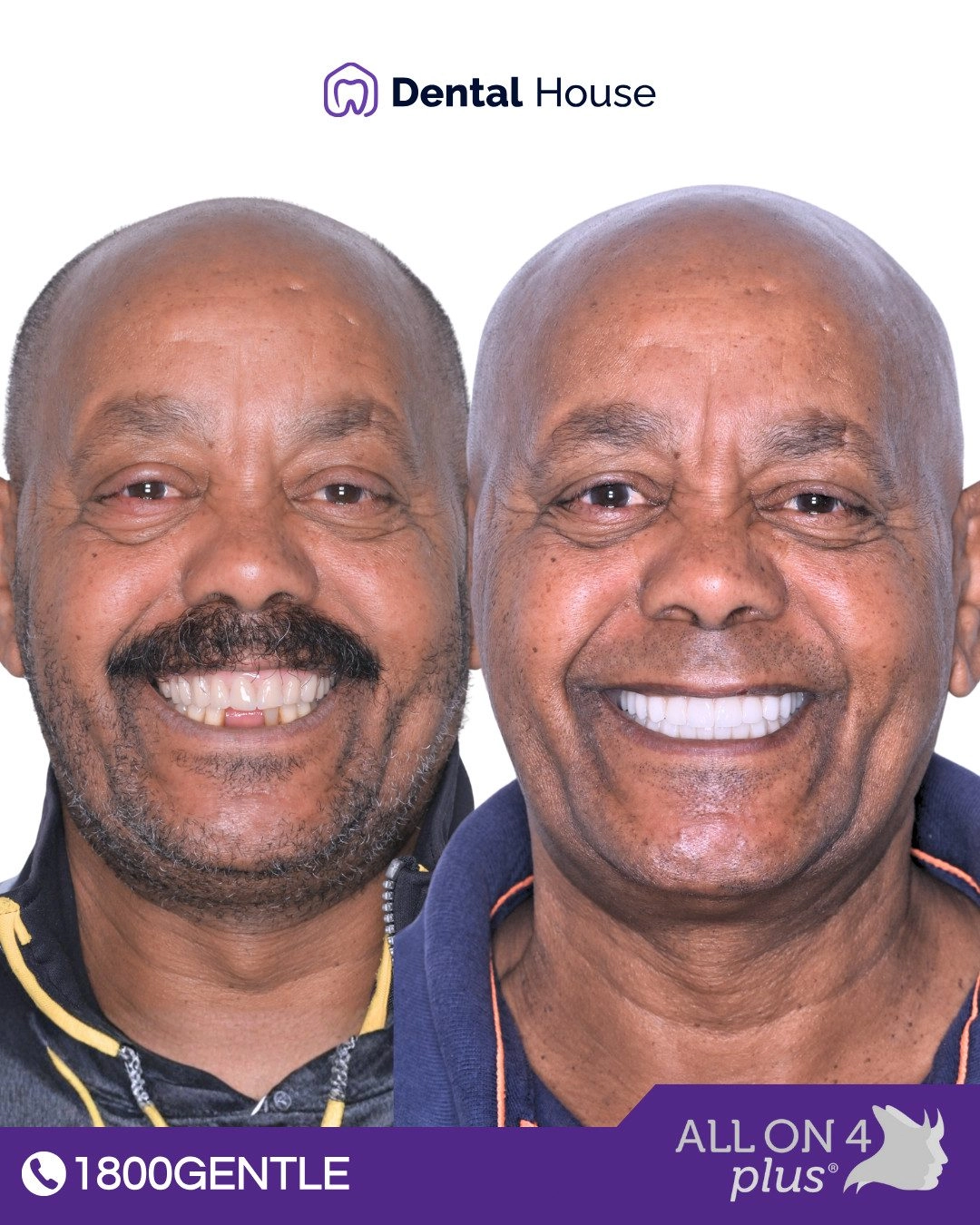
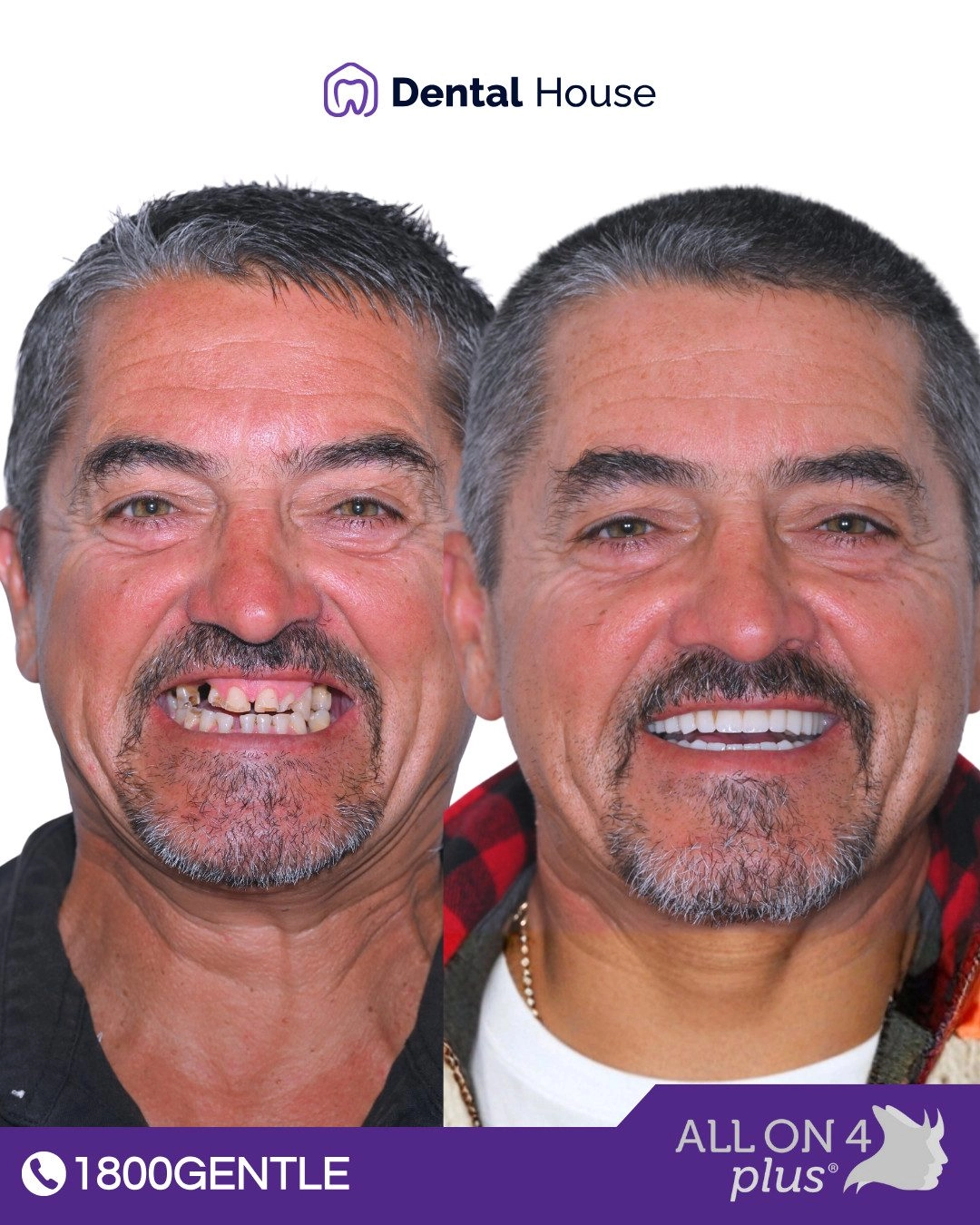
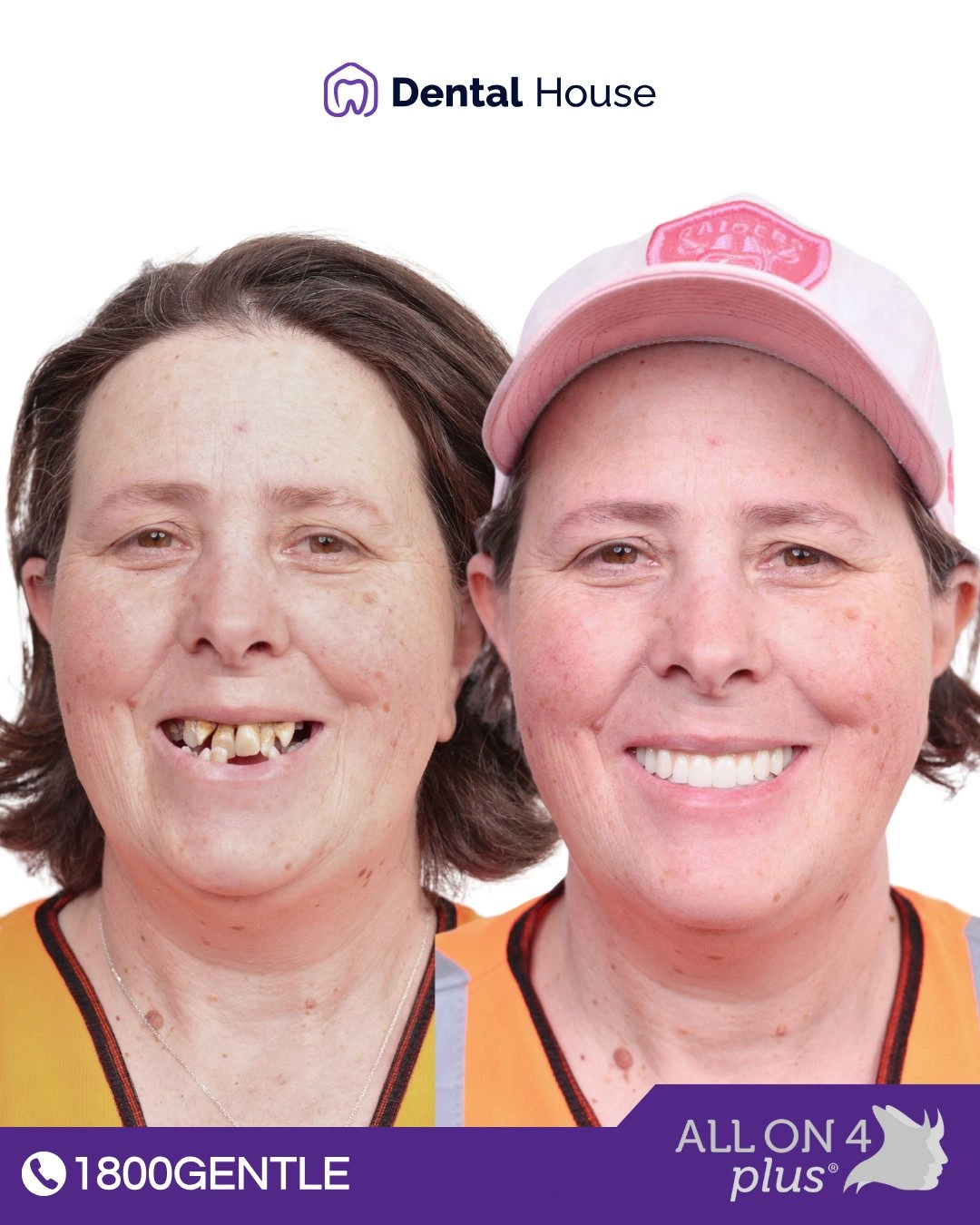
All-On-4 Plus® uses four to six strategically placed dental implants per arch to support a full set of fixed replacement teeth. The technique uses angled posterior implants to avoid areas with insufficient bone. This approach often eliminates the need for bone grafting procedures.
Can bridges be replaced if they fail?
Failed bridges can typically be replaced, though the supporting teeth must be re-evaluated for adequate structure. Each replacement may require additional tooth preparation. Alternative options such as dental implants may be considered if supporting teeth become compromised.
What teeth need preparation for a bridge?
A traditional bridge requires preparing the teeth on either side of the gap to serve as anchors for the replacement tooth. These supporting teeth receive crown coverage. This means the bridge replaces one tooth but requires involving three or more teeth in the restoration.
Why use a bridge instead of just veneers?
Bridges are typically used when a gap results from a missing tooth, requiring a fixed replacement tooth supported by adjacent teeth. If the gap is simply space between existing teeth, veneers alone may suffice. Assessment determines whether a bridge or alternative approach best addresses the specific situation.
Let’s chat.
Take the first step today. Fill out the form and we'll contact you to arrange your consultation with our gentle Sunbury team.