




Tooth pain can range from mild sensitivity to excruciating discomfort that disrupts your daily life. While minor dental sensitivity is common, certain symptoms may indicate a more serious problem requiring immediate attention. Understanding the signs of severe tooth infection can help you recognise when professional dental care is urgently needed.
At Sunbury Dental House, we regularly see patients from Sunbury, Gisborne, and Diggers Rest who are experiencing various levels of dental discomfort. Recognising the warning signs early may help prevent complications and preserve your natural tooth structure.
Understanding Tooth Infections
A tooth infection, also called a dental abscess, occurs when bacteria invade the innermost part of the tooth (the pulp) or surrounding tissues. This can happen through deep decay, cracks, or trauma that allows bacteria to enter normally sterile areas.
How Infections Develop
The tooth’s pulp contains nerves, blood vessels, and connective tissue. When this area becomes infected, the body’s immune response may cause inflammation and pressure buildup, potentially leading to significant discomfort.
Types of Dental Abscesses
Different types may develop:
- Periapical abscesses form at the tooth root tip
- Periodontal abscesses develop in the gum tissues
- Gingival abscesses occur in the gum line area
Primary Warning Signs of Severe Tooth Infection
Recognising the early signs of severe tooth infection may help you seek appropriate care before complications develop. While symptoms can vary between individuals, certain warning signs commonly indicate serious dental problems.
Persistent, Severe Pain
Intense tooth pain that doesn’t respond to over-the-counter pain medications may indicate infection. This discomfort often worsens when lying down, intensifies with temperature changes, may radiate to the jaw or ear, and disrupts sleep.
Prolonged Sensitivity
While brief sensitivity is common, prolonged discomfort lasting more than a few seconds after removing hot or cold stimuli may suggest pulp damage or infection.
Swelling and Inflammation
Facial swelling around the affected tooth may indicate spreading infection. This might develop gradually, feel warm to touch, cause facial asymmetry, or extend to neck lymph nodes.
Gum Changes
The gums around an infected tooth may show redness, tenderness, visible pimple-like bumps, bleeding during brushing, or cause persistent bad taste.
Advanced Signs Requiring Immediate Attention
Some signs of severe tooth infection indicate that the condition has progressed and may require urgent dental intervention to prevent serious complications.
Fever and Systemic Symptoms
When a tooth infection spreads beyond the local area, it may cause elevated body temperature, general illness, fatigue, and loss of appetite.
Difficulty Swallowing or Breathing
Severe facial swelling that affects swallowing or breathing represents a dental emergency requiring immediate medical attention.
Severe Facial Swelling
Extensive swelling that closes the eye, extends down the neck, feels hard to touch, or continues expanding despite pain medication requires urgent care.
Pus Discharge
Visible pus or drainage around the affected tooth may indicate active infection. This discharge often has a foul taste or odour and appears yellow, green, or whitish.
Changes in Tooth Appearance and Function
Infected teeth may undergo visible changes that serve as important warning signs for patients to recognise.
Tooth Discolouration
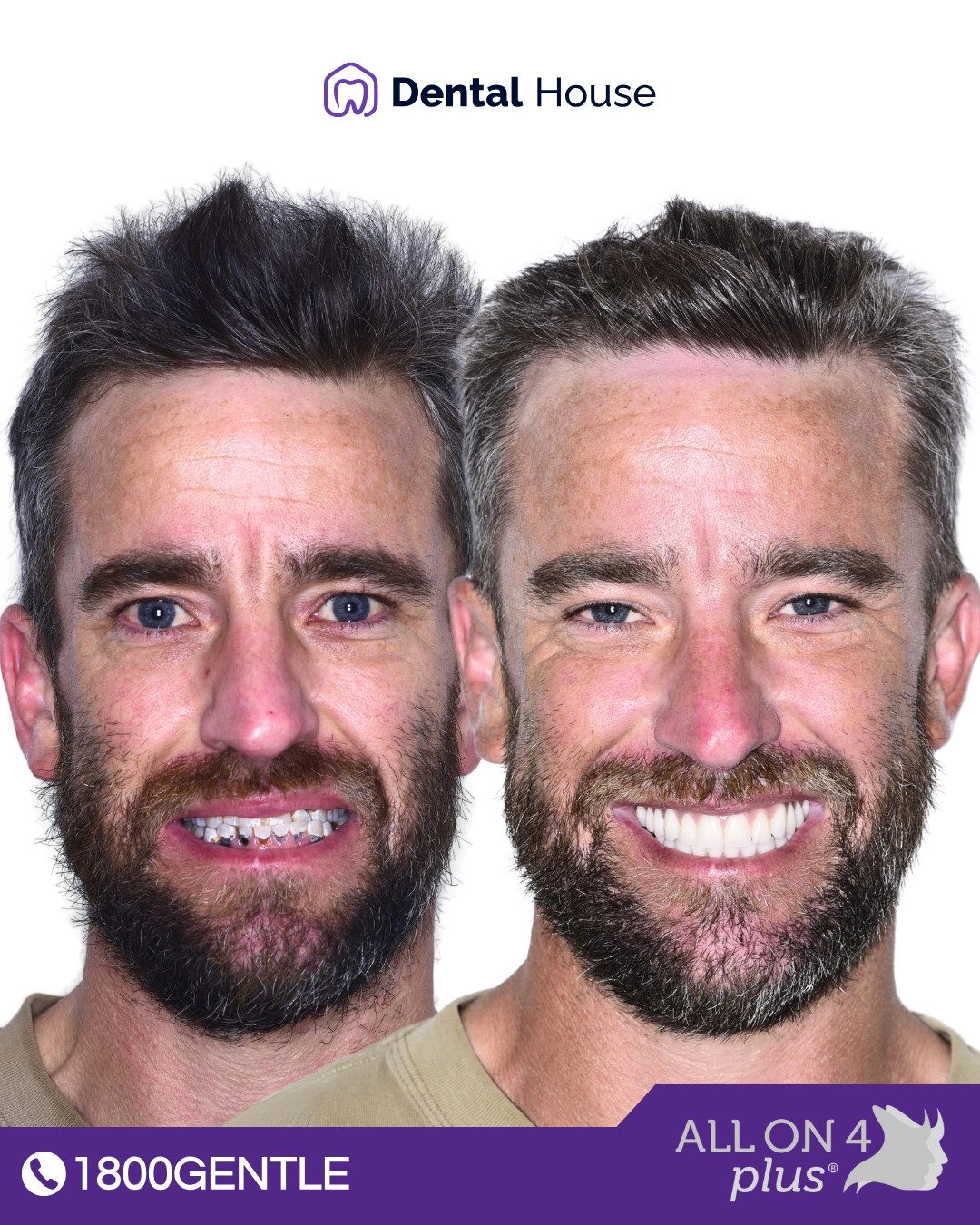
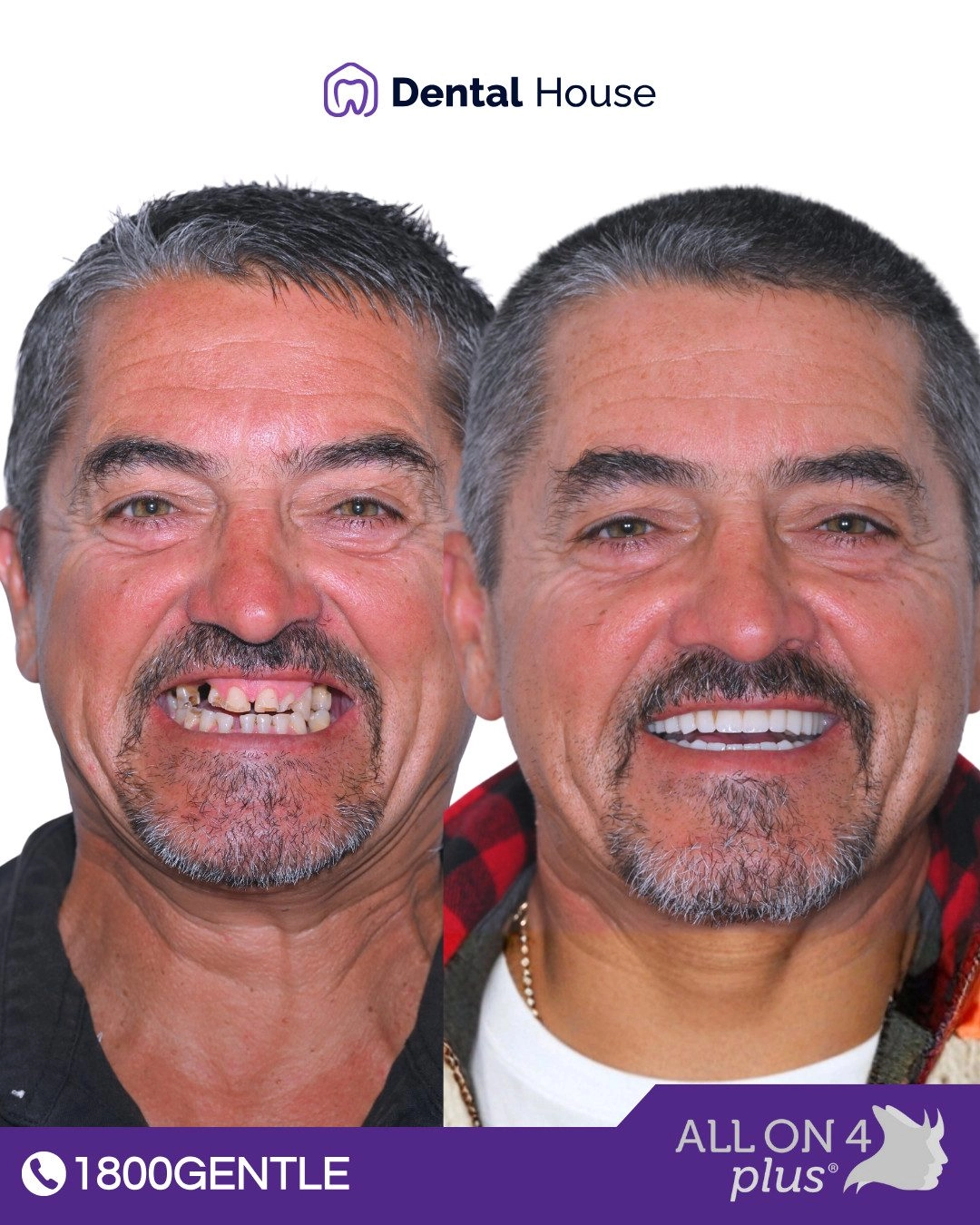
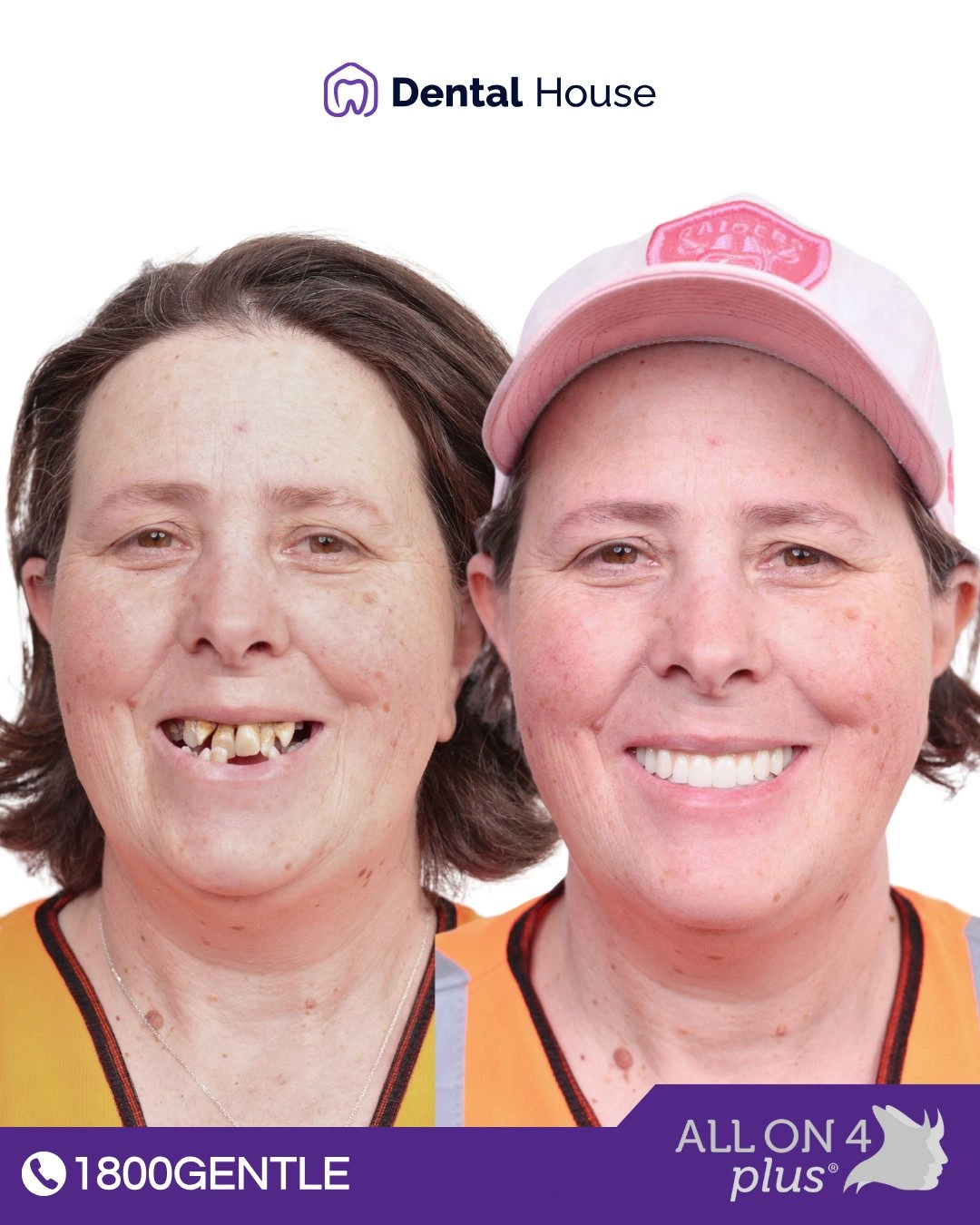
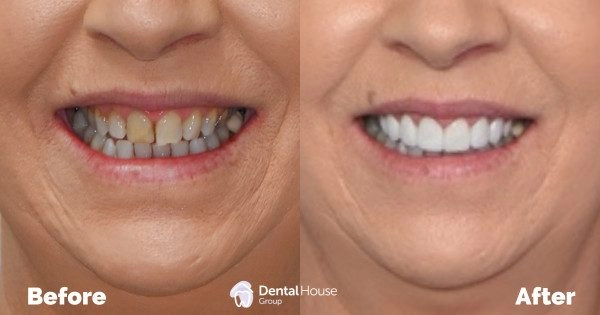
An infected tooth may gradually become darker than surrounding teeth, appearing greyish, brownish, or blackish. This discolouration often indicates that the tooth’s nerve tissue has died or is severely damaged.
Increased Mobility
A tooth that feels loose or moves when touched may indicate breakdown of supporting structures or advanced infection affecting the tooth’s foundation.
Bite Changes
An infected tooth may cause discomfort when biting, feeling that the tooth is “high” when biting, or avoidance of chewing on the affected side.
When Symptoms Come and Go
Some signs of severe tooth infection may appear intermittently, which can be confusing for patients trying to assess the severity of their condition.
Intermittent Pain Patterns
Tooth infection pain may disappear for periods then return more intensely, seem to improve with antibiotics temporarily, or vary in intensity throughout the day.
Pressure Relief
Sometimes infected teeth feel better when pus drains naturally, providing temporary pressure relief. However, this doesn’t mean the infection has resolved and professional treatment is still necessary.
Temperature Sensitivity Changes
The response to hot and cold may change as infection progresses. Initial sensitivity may worsen, then eventually the tooth may stop responding to temperature, with complete loss of sensation indicating nerve death.
Risk Factors That Increase Infection Likelihood
Understanding factors that may increase your risk of developing severe tooth infections can help with prevention and early recognition.
Previous Dental Work
Teeth with large fillings, previous trauma, cracks or chips, or repeated dental procedures may have higher risk of developing infections over time.
Poor Oral Hygiene
Inadequate brushing and flossing may allow bacteria to accumulate, increasing infection risk in vulnerable teeth.
Medical Conditions
Certain health conditions like diabetes, compromised immune systems, autoimmune disorders, or medications affecting saliva production may affect infection susceptibility.
What to Do If You Suspect Infection
If you’re experiencing potential signs of severe tooth infection, taking appropriate action quickly may help prevent complications and preserve your tooth.
Immediate Steps
While waiting for professional care:
- Rinse with warm salt water
- Take over-the-counter pain medication as directed
- Apply cold compress to reduce swelling
- Avoid extremely hot or cold foods
- Don’t place aspirin directly on the tooth
When to Seek Emergency Care
Contact emergency dental services immediately if you experience:
- Difficulty swallowing or breathing
- Severe facial swelling
- High fever with dental symptoms
- Rapid progression of symptoms
Professional Evaluation
A dental professional can perform clinical examination, take diagnostic X-rays, assess infection severity, recommend appropriate treatment options, and provide pain management strategies.
Treatment Considerations
When infection is confirmed, various treatment options may be discussed depending on the severity and specific circumstances of your case.
Root Canal Therapy
This treatment may help preserve natural teeth by removing infected tissue, cleaning and disinfecting the tooth interior, sealing the space to prevent reinfection, and restoring tooth function.
Alternative Approaches
In some cases, alternatives might include tooth extraction if preservation isn’t possible, antibiotic therapy to manage acute symptoms, or drainage procedures for abscesses.
Your dentist will discuss the most appropriate treatment approach based on your individual situation.
Don’t Wait for Symptoms to Worsen
Recognising signs of severe tooth infection early and seeking professional care promptly may help preserve your natural teeth and prevent serious complications. What starts as minor discomfort can potentially develop into a serious health concern if left untreated.
For residents of Sunbury, Gisborne, and Diggers Rest experiencing concerning dental symptoms, professional evaluation can help determine the most appropriate course of action for your individual situation.
Get Professional Assessment for Dental Concerns
If you’re experiencing any signs that might indicate a tooth infection, we encourage you to schedule an evaluation to discuss your symptoms and concerns.
At Sunbury Dental House, our experienced team can assess dental pain and other symptoms to help determine appropriate treatment approaches. We understand that dental emergencies can be concerning and strive to provide timely care when needed.
Call us on 03 8820 1809 or fill out our enquiry form to schedule your consultation. Don’t wait for symptoms to worsen – early intervention may help preserve your oral health and prevent complications.
Frequently Asked Questions
Can a tooth infection resolve on its own without treatment?
Tooth infections typically require professional treatment to resolve completely. While symptoms may temporarily improve, the underlying infection usually persists and may worsen over time without appropriate intervention. Antibiotics may help manage acute symptoms but don’t address the source of infection within the tooth.
How quickly can a tooth infection develop?
Tooth infections can develop gradually over weeks or months, or may appear more rapidly following trauma or when existing dental problems worsen. The timeline varies depending on factors such as individual immune response, bacteria involved, and the extent of tooth damage.
Are tooth infections always painful?
Not all tooth infections cause severe pain, particularly in later stages when nerve tissue may have died. Some infections may present primarily with swelling, bad taste, or other symptoms while causing minimal discomfort. This is why regular dental check-ups are important for early detection.