



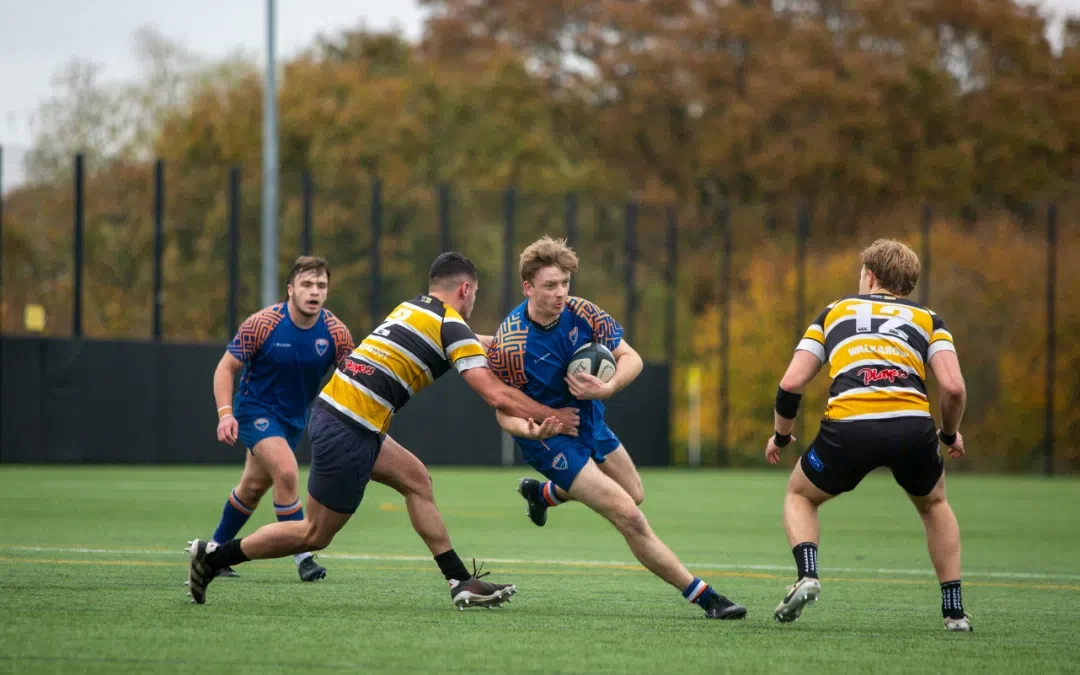
The crack of the bat, the thud of bodies colliding, the satisfying swoosh of a perfect goal—sport brings excitement, fitness, and community to millions of Australians. But according to the Australian Dental Association NSW, 40% of dental injuries are sports-related, making athletic activities one of the leading causes of dental trauma in our country.
For families in Sunbury and surrounding suburbs like Gisborne and Diggers Rest, understanding when a sports dental injury emergency requires immediate attention can mean the difference between saving and losing a tooth. Whether your child plays weekend footy, competes in school netball, or enjoys a casual game of cricket, knowing how to recognise urgent dental trauma is essential knowledge for every sports-loving family.
At Sunbury Dental House, we see the aftermath of sports injuries regularly, and we understand how quickly a fun game can turn into a dental crisis. According to The Emergency Dentist Sydney, around 31% of dental injuries in Australia occur during sporting activities, yet many people are unsure when to seek emergency care versus waiting for a regular appointment.
The reality is that some sports-related dental injuries require immediate professional attention (sometimes within minutes) while others can wait for standard dental care. Understanding this distinction isn’t just about convenience; it’s about preserving your oral health and potentially saving thousands of dollars in complex reconstructive treatment.
According to Health Direct Australia, you should seek urgent help if there’s heavy bleeding, severe swelling, or an adult tooth is knocked out. But what about the grey areas? What constitutes a true sports dental injury emergency, and how can you make the right decision when adrenaline is high and time is critical?
Immediate Emergency Situations That Cannot Wait
When it comes to sports-related dental trauma, certain situations demand immediate emergency attention, no exceptions. Heavy bleeding in the mouth creates a risk of airway blockage, making this a medical emergency that requires urgent care. This isn’t just about dental health; it’s about breathing and potentially life-threatening complications.
A completely knocked-out adult tooth represents another clear-cut sports dental injury emergency. You should call a dentist urgently and ask for an emergency appointment, ideally within 30 minutes, or go to the nearest hospital emergency department. The biological window for successfully reimplanting a tooth is narrow, and every minute counts in determining whether the tooth can be saved.
The sooner you seek treatment, the better chance there is to save your tooth. This time-critical factor makes knocked-out teeth one of the most urgent sports dental emergencies. The difference between seeking care within 30 minutes versus waiting several hours can determine whether your child keeps their natural tooth or requires complex replacement procedures later in life.
Severe facial swelling that develops rapidly after a sports injury also constitutes an emergency situation. Significant swelling can indicate serious underlying damage to bone, nerves, or blood vessels. When swelling is accompanied by difficulty opening or closing the mouth, the situation becomes even more urgent, as this can signal jaw fractures or temporomandibular joint damage.
Uncontrolled bleeding from the mouth, lips, or gums that doesn’t respond to direct pressure within 10-15 minutes requires immediate professional intervention. Persistent bleeding may indicate damage to major blood vessels or require suturing to prevent complications. This type of sports dental injury emergency often occurs in contact sports where facial impacts are common.
Urgent Situations Requiring Same-Day Care
While not every sports dental injury requires immediate emergency room attention, many situations demand same-day professional evaluation and treatment. Displaced teeth that have been pushed out of their normal position represent urgent cases that benefit significantly from prompt intervention. The longer displaced teeth remain in abnormal positions, the more likely they are to develop complications such as nerve damage or root resorption.
Teeth that have been pushed into the gum (intruded) require urgent attention because this type of injury can damage the tooth’s blood supply and surrounding bone. According to studies, intrusion injuries are regarded as one of the most severe luxation injuries of permanent dentition. While these injuries might not seem as dramatic as a completely knocked-out tooth, they often require more complex treatment and have a higher risk of complications.
Broken teeth with exposed nerves create intense pain and high infection risk, making them urgent cases for same-day treatment. Exposed tooth nerves are extremely sensitive to temperature, air, and bacteria, causing severe discomfort and potentially leading to serious infections if left untreated. The characteristic sharp, shooting pain that occurs with exposed nerves is unmistakable and requires prompt professional intervention.
Large tooth fractures that extend below the gum line often cannot wait for routine appointments. According to Health Direct Australia, broken tooth fragments should be placed in milk or sterile saline solution and taken to the dentist immediately. These injuries frequently require complex restoration procedures, and early intervention can significantly improve treatment outcomes and reduce the need for more extensive procedures later.
Injuries to orthodontic appliances that create sharp edges or loose components also require urgent attention.Damaged braces or retainers can cause soft tissue injuries and may pose choking hazards if components become completely detached. While not always constituting a true sports dental injury emergency, these situations often require same-day intervention to prevent additional complications.
Assessing Pain and Functional Impact
The severity and nature of pain following a sports dental injury provide important clues about the urgency of the situation. Certain types of pain indicate more serious underlying damage and require prompt professional evaluation. Sharp, shooting pain that occurs spontaneously or with minimal stimulation often suggests nerve involvement and typically requires urgent treatment.
Throbbing pain that intensifies over time may indicate developing infection or inflammation within the tooth’s pulp chamber. This type of progressive pain pattern suggests that the tooth’s nerve is compromised and requires professional intervention to prevent more serious complications. While this might not constitute an immediate sports dental injury emergency, it certainly warrants urgent dental evaluation.
Difficulty chewing, biting, or speaking normally after a sports injury can indicate significant structural damage that requires prompt assessment. Functional limitations often reflect more extensive trauma than initially apparent and may involve multiple teeth, jaw joints, or supporting structures. These functional impacts can significantly affect nutrition, communication, and quality of life if not addressed promptly.
Changes in bite alignment following sports trauma should be evaluated urgently, as they may indicate jaw fractures or significant tooth displacement. Altered bite patterns can lead to additional complications if not corrected promptly, including temporomandibular joint problems and accelerated wear on remaining teeth.
Numbness or tingling in the lips, chin, or tongue following dental trauma may indicate nerve damage that requires immediate evaluation. These neurological symptoms can signal serious injuries that may have lasting consequences if not addressed promptly. While numbness might seem less urgent than severe pain, it often indicates more serious underlying damage.
When Regular Dental Care Is Appropriate
Not every sports-related dental injury requires emergency intervention, and understanding when regular dental care is appropriate can help you avoid unnecessary stress and expense. Minor chips or rough edges on teeth that don’t cause pain or functional problems can typically wait for routine dental appointments. Small enamel chips are common in sports and rarely require urgent treatment unless they create sharp edges that cut the tongue or cheeks.
Loose teeth that remain in their normal position and don’t cause severe pain can often be managed with regular dental care, though they should be evaluated within a few days. Slightly mobile teeth following trauma often stabilise on their own, particularly in younger patients whose supporting structures are more resilient. However, professional evaluation is still important to rule out more serious damage and establish appropriate monitoring protocols.
Minor soft tissue injuries such as small cuts to the lips, cheeks, or gums that stop bleeding with direct pressure typically don’t require emergency care. These injuries can often be managed with basic first aid and routine dental follow-up. However, any soft tissue injury that continues bleeding after 15-20 minutes of direct pressure should be evaluated more urgently.
Dental injuries that occur during regular business hours and don’t involve the emergency criteria mentioned earlier can often be managed through urgent appointments with your regular dentist. Many sports-related injuries can be effectively treated in general dental practices without requiring emergency department visits, provided the injury is assessed promptly by a qualified professional.
Why Choose Sunbury Dental House for Sports Dental Emergencies
At Sunbury Dental House, we understand that sports dental injury emergencies don’t follow convenient schedules. Our experienced team is equipped to handle urgent dental trauma with the skill, technology, and compassion your family deserves during stressful situations. We maintain emergency protocols specifically designed for sports-related injuries, ensuring that you receive appropriate care when every minute counts.
Our comprehensive approach to sports dental emergencies includes immediate pain management, thorough trauma assessment, and evidence-based treatment planning that prioritises both immediate needs and long-term oral health outcomes. We work closely with local sports clubs and schools throughout Sunbury and surrounding suburbs to provide education about injury prevention and emergency response protocols.
We believe that understanding when to seek emergency care empowers families to make informed decisions during high-stress situations. Our team provides clear guidance about injury assessment, appropriate first aid measures, and when to seek immediate professional intervention. We’re committed to being your trusted partner in maintaining optimal oral health for active families throughout the Sunbury community.
Whether you’re dealing with a clear-cut emergency or uncertain about the severity of a sports-related dental injury, our team is here to provide expert guidance and compassionate care. We understand the unique challenges that sports families face and work to provide accessible, high-quality emergency dental services when you need them most.
Don’t let uncertainty about injury severity delay appropriate care. Understanding the signs of a sports dental injury emergency helps ensure that you and your family receive the right level of care at the right time. Contact Sunbury Dental House immediately if you’re experiencing any of the emergency situations described above.
Call us now at 03 8820 1809 or complete our online enquiry form to access expert emergency dental care when sports injuries threaten your family’s oral health and wellbeing.
Frequently Asked Questions
Q: How quickly should I seek treatment after a sports dental injury?
A: The timing depends on the type of injury. For knocked-out teeth, seek emergency care within 30 minutes for the best chance of saving the tooth. Heavy bleeding, severe swelling, or difficulty breathing require immediate emergency attention. Other injuries like displaced teeth or large fractures should be seen the same day, while minor chips can wait for regular appointments. When in doubt, call for professional guidance rather than waiting.
Q: Should I go to the hospital emergency department or a dentist for sports dental injuries?
A: You should go to the hospital emergency department if there’s heavy bleeding that won’t stop, difficulty breathing, suspected jaw fractures, or if no emergency dental care is available. For most sports dental injuries, including knocked-out teeth, an emergency dentist is the most appropriate choice as they have specialised equipment and expertise for dental trauma. Many hospital emergency departments can only provide pain relief and antibiotics, referring you to a dentist anyway.
Q: What should I do immediately after my child’s tooth is knocked out during sport?
A: Handle the tooth by the crown (white part) only, never touch the root. Try to gently place it back in the socket and have your child bite down on clean cloth. If the tooth is dirty, quickly rinse it in milk, saliva, or warm water, don’t scrub it. If you can’t replace it, store the tooth in milk or saliva and seek emergency dental care within 30 minutes. Don’t let the tooth dry out, and don’t attempt to replace baby teeth.