




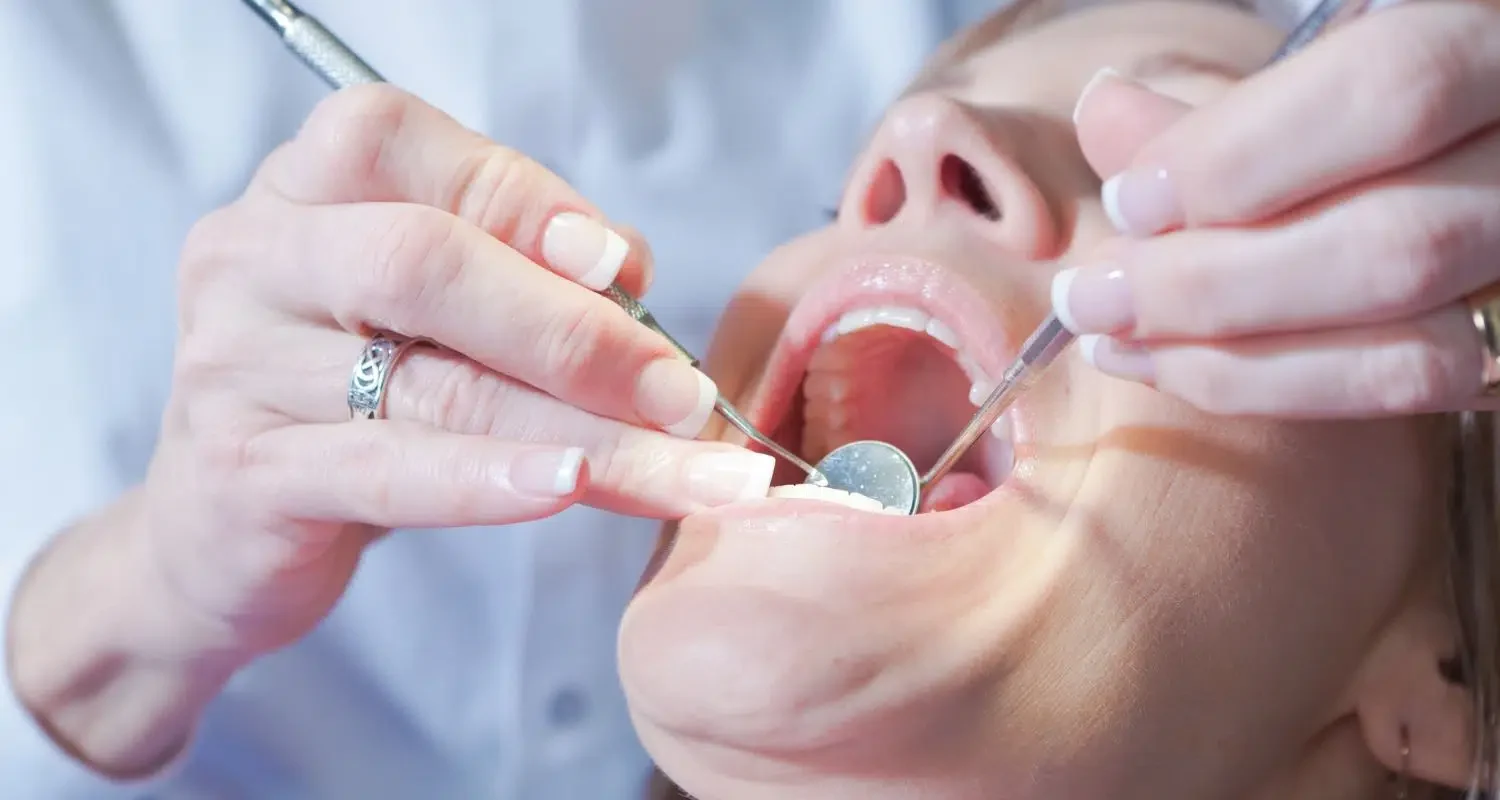
When you think about routine dental appointments, checking for cavities and gum disease probably comes to mind first. However, your regular dental visit may serve a much broader purpose in monitoring your overall oral health, including the potential early detection of concerning tissue changes.
At Sunbury Dental House, we understand that many patients from Sunbury, Gisborne, and Diggers Rest may not realise that oral cancer screening dental check-up procedures can be an important component of comprehensive oral health care. Understanding what this involves can help you make informed decisions about your dental care routine.
Understanding Oral Cancer and Risk Factors
Oral cancer refers to cancers that develop in various parts of the mouth and throat area, including lips, tongue, cheeks, floor of the mouth, palate, sinuses, and throat.
Common Risk Factors
Several factors may increase the likelihood of developing oral cancer: tobacco use, heavy alcohol consumption, excessive sun exposure to lips, HPV infection, age over 40, gender (more common in males), poor oral hygiene, and family cancer history.
Changing Demographics
Recent trends show oral cancer rates increasing in younger populations, particularly HPV-related cases. This emphasises the importance of regular oral health monitoring regardless of traditional risk factors.
What Oral Cancer Screening Involves During Check-Ups
Oral cancer screening dental check-up procedures typically involve systematic examination of the mouth and surrounding areas to identify any unusual changes that may warrant further investigation.
Visual Examination
Your dental professional may visually inspect lips, gums, inner cheeks, tongue surfaces, floor and roof of the mouth, and throat areas, looking for changes in tissue colour, texture, or appearance.
Physical Examination
The screening may include gentle palpation of neck, jaw, under the chin, and lymph node areas to identify changes that may not be visible but can be felt.
Additional Screening Tools
Some practices may use supplementary technologies such as special lights, rinses to identify abnormal cells, or digital photography to monitor changes. These tools supplement rather than replace clinical examination.
What Dental Professionals Look For
During oral cancer screening dental check-up appointments, dental professionals are trained to identify various signs that may indicate the need for further evaluation.
Visual Changes
Concerning signs may include red or white patches that don’t resolve, persistent sores or ulcers, changes in tissue texture, asymmetry or irregular borders, and unexplained bleeding or swelling.
Texture and Consistency Changes
Physical examination may reveal hard lumps or masses, thickened tissue areas, rough or raised patches, and changes in tissue mobility.
Functional Changes
Patients may report difficulty swallowing or chewing, persistent hoarseness, numbness in mouth areas, loose teeth without dental cause, or persistent bad breath despite good oral hygiene.
Limitations of Routine Screening
While oral cancer screening dental check-up procedures can be valuable, it’s important to understand their limitations and what they cannot achieve.
Screening vs. Diagnosis
Routine dental examinations involve screening for potential concerns, not definitive diagnosis. Any suspicious findings require referral to specialists for further evaluation and potential biopsy.
Early vs. Advanced Detection
Screening effectiveness may vary depending on location and size of abnormal tissue, type and growth pattern of lesions, individual patient factors, and frequency of dental visits.
False Positives and Negatives
Like all screening procedures, oral cancer screening may sometimes identify benign conditions that appear concerning, miss early changes not yet detectable, or require follow-up evaluation to distinguish between conditions.
The Role of Patient Self-Examination
While professional screening is important, patients can also play a role in monitoring their oral health between dental visits.
Monthly Self-Checks
Patients may benefit from regular self-examination including looking for changes in appearance, checking for persistent sores or patches, noting lumps or swelling, and monitoring changes in voice, swallowing, or chewing function.
When to Seek Professional Evaluation
Consider scheduling an appointment for sores that don’t heal within two weeks, persistent hoarseness lasting more than two weeks, unexplained numbness or pain, difficulty swallowing or moving tongue, or patches that don’t resolve.
Frequency of Screening and Check-Ups
The appropriate frequency for oral cancer screening dental check-up appointments may vary based on individual risk factors and circumstances.
Standard Recommendations
Most dental professionals suggest routine examinations every six months for normal risk patients, allowing for regular monitoring, early identification of concerns, maintenance of oral hygiene, and professional cleaning.
High-Risk Patients
Individuals with increased risk factors may benefit from more frequent examinations, enhanced screening protocols, closer monitoring of changes, and coordination with medical specialists when appropriate.
Individual Assessment
Your dental professional can provide guidance on appropriate screening frequency based on your personal risk profile, medical history, and oral health status.
Integration with Overall Health Care
Oral cancer screening represents one component of comprehensive health monitoring that works best when integrated with other healthcare services.
Communication with Medical Providers
Information about oral health screening may be relevant to primary care physicians, specialists treating related conditions, oncologists if cancer history exists, and other healthcare providers involved in your care.
Lifestyle Factors
Dental professionals may discuss risk reduction strategies including tobacco cessation support, alcohol consumption guidelines, sun protection for lips, HPV vaccination information, and nutritional factors supporting oral health.
Making Informed Decisions About Screening
Understanding the potential benefits and limitations of oral cancer screening dental check-up procedures helps patients make informed decisions about their oral health care.
Benefits of Regular Screening
Routine oral examinations may help identify changes early when treatment options may be more effective, monitor high-risk patients closely, provide peace of mind through professional assessment, and maintain overall oral health.
Individual Considerations
Factors to discuss with your dental professional include personal and family medical history, risk factors specific to your situation, appropriate screening frequency, and questions about oral health changes.
Professional Oral Health Assessment
Regular dental check-ups serve multiple purposes beyond cavity detection, potentially including screening for various oral health concerns. Understanding what’s involved in comprehensive oral examination can help you participate actively in maintaining your oral health.
For residents of Sunbury, Gisborne, and Diggers Rest, routine dental care that includes thorough oral examination may be an important component of overall health maintenance.
Schedule Your Comprehensive Oral Health Check-Up
If you have questions about oral cancer screening or would like to discuss your individual risk factors and screening needs, we encourage you to schedule a consultation with our experienced team.
At Sunbury Dental House, we provide thorough oral health examinations as part of comprehensive dental care. Our team can explain what’s involved in oral cancer screening dental check-up procedures and address any concerns you may have about your oral health.
Call us on 03 8820 1809 or fill out our enquiry form to schedule your appointment. Regular professional monitoring may be an important investment in your long-term oral and overall health.
Frequently Asked Questions
How often should oral cancer screening be performed?
Most dental professionals recommend routine oral examinations every six months, which typically include oral cancer screening components. However, the appropriate frequency may vary based on individual risk factors, medical history, and your dentist’s recommendations for your specific situation.
Is oral cancer screening painful or uncomfortable?
Oral cancer screening during routine dental check-ups is generally comfortable and non-invasive. The examination involves visual inspection and gentle touching of mouth and neck areas. Most patients find the process similar to other routine dental examination procedures.
What happens if something concerning is found during screening?
If your dental professional identifies areas that require further evaluation, they will typically refer you to an appropriate specialist for additional assessment. This might include an oral surgeon, ENT specialist, or oncologist who can perform more detailed examination and any necessary testing to determine the nature of the findings.