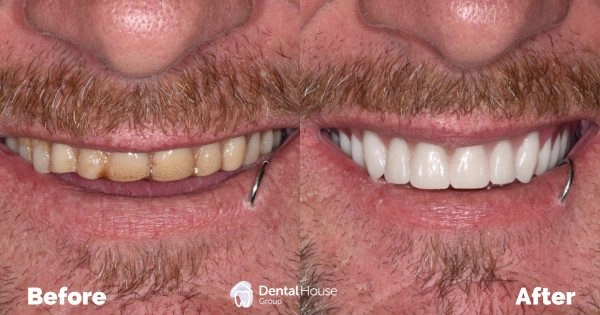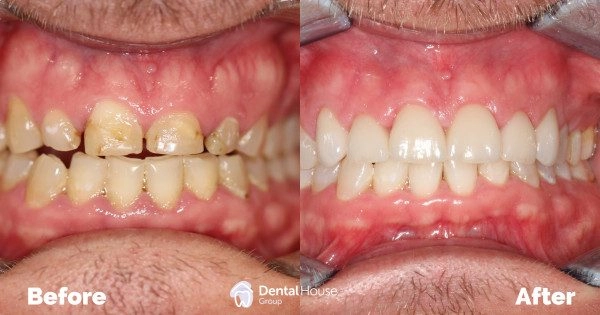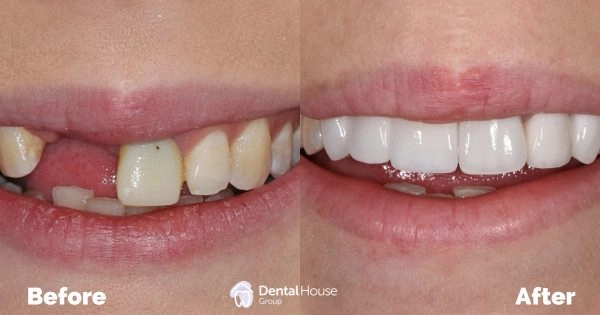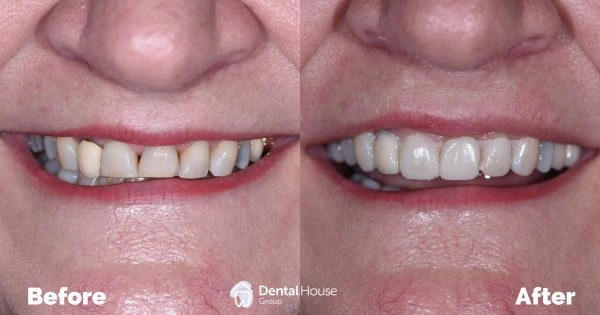


Can combined endodontic and aesthetic treatment restore anterior function in Sunbury?
Presenting Clinical Problem
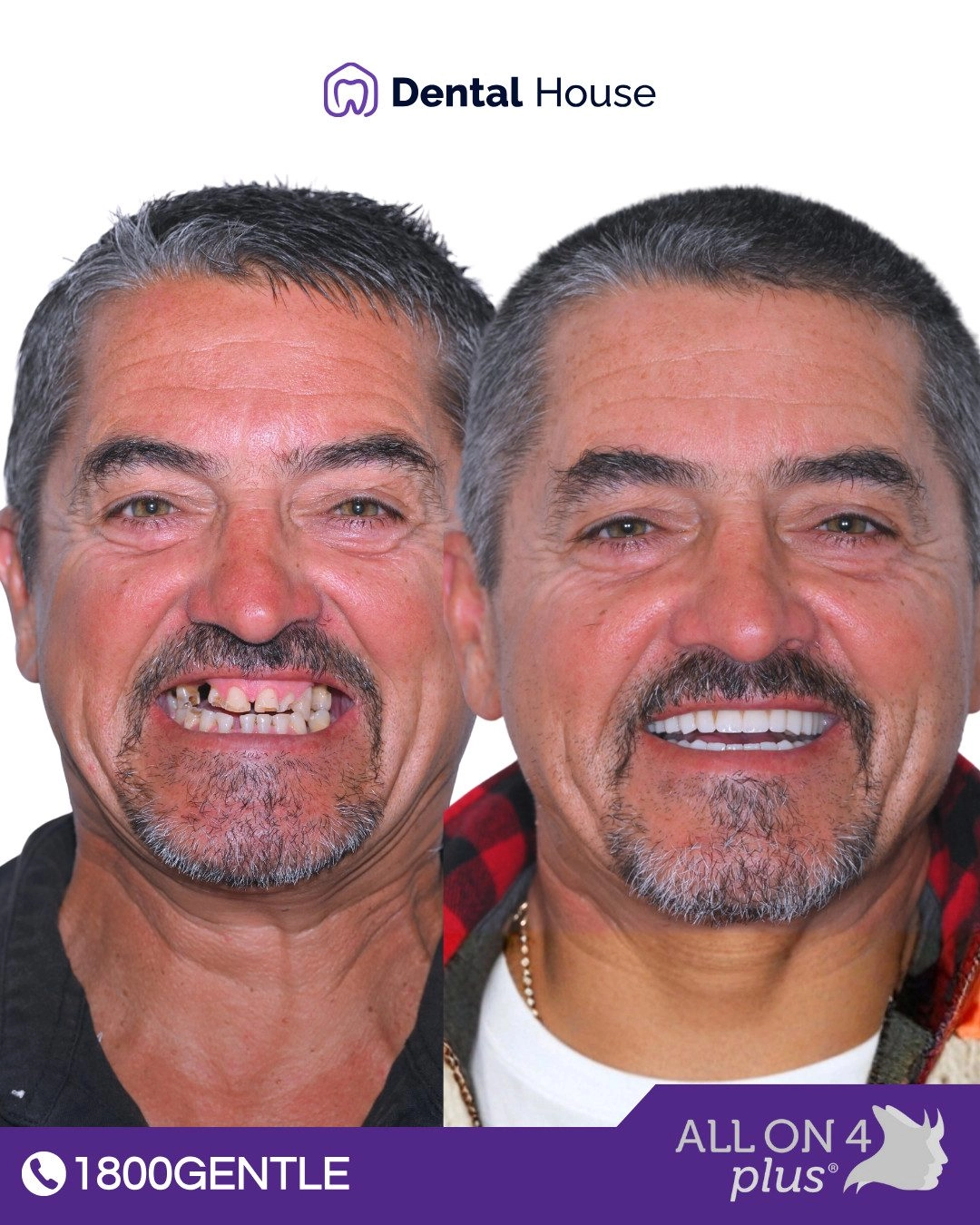
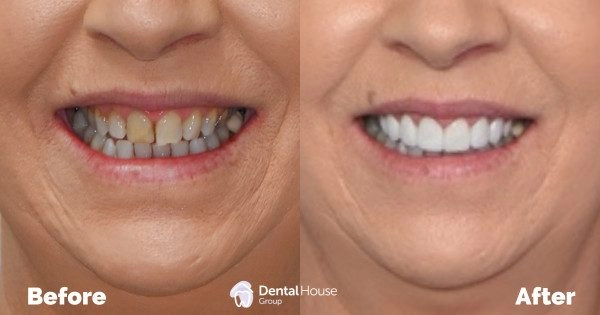
A patient presented with combined endodontic and aesthetic concerns requiring careful treatment sequencing and coordination.
- Pulpal Necrosis: Lateral incisor with non-vital pulp requiring endodontic intervention
- Colour Irregularities: Widespread discolouration affecting anterior aesthetics
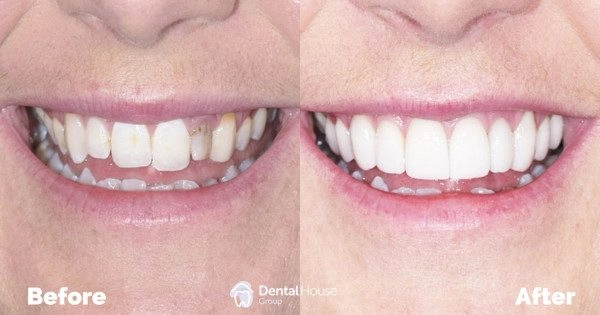
- Functional Deficits: Anterior open bite compromising normal function
- Revision Treatment: Previous treatment failures requiring comprehensive re-treatment planning
The primary clinical objective was to address endodontic pathology and restore anterior function and aesthetics through coordinated treatment phases.
Treatment Plan & Clinical Process
A coordinated treatment approach was developed emphasising endodontic success prior to aesthetic restoration.
Phase 1: Endodontic Treatment: Microscope-enhanced root canal therapy was performed on the non-vital lateral incisor to address pulpal pathology. Treatment quality was assessed through appropriate diagnostic methods before proceeding.
Phase 2: Tooth Whitening: Internal whitening was performed on the endodontically treated tooth to address intrinsic discolouration. Additional whitening treatment addressed extrinsic staining on adjacent teeth.
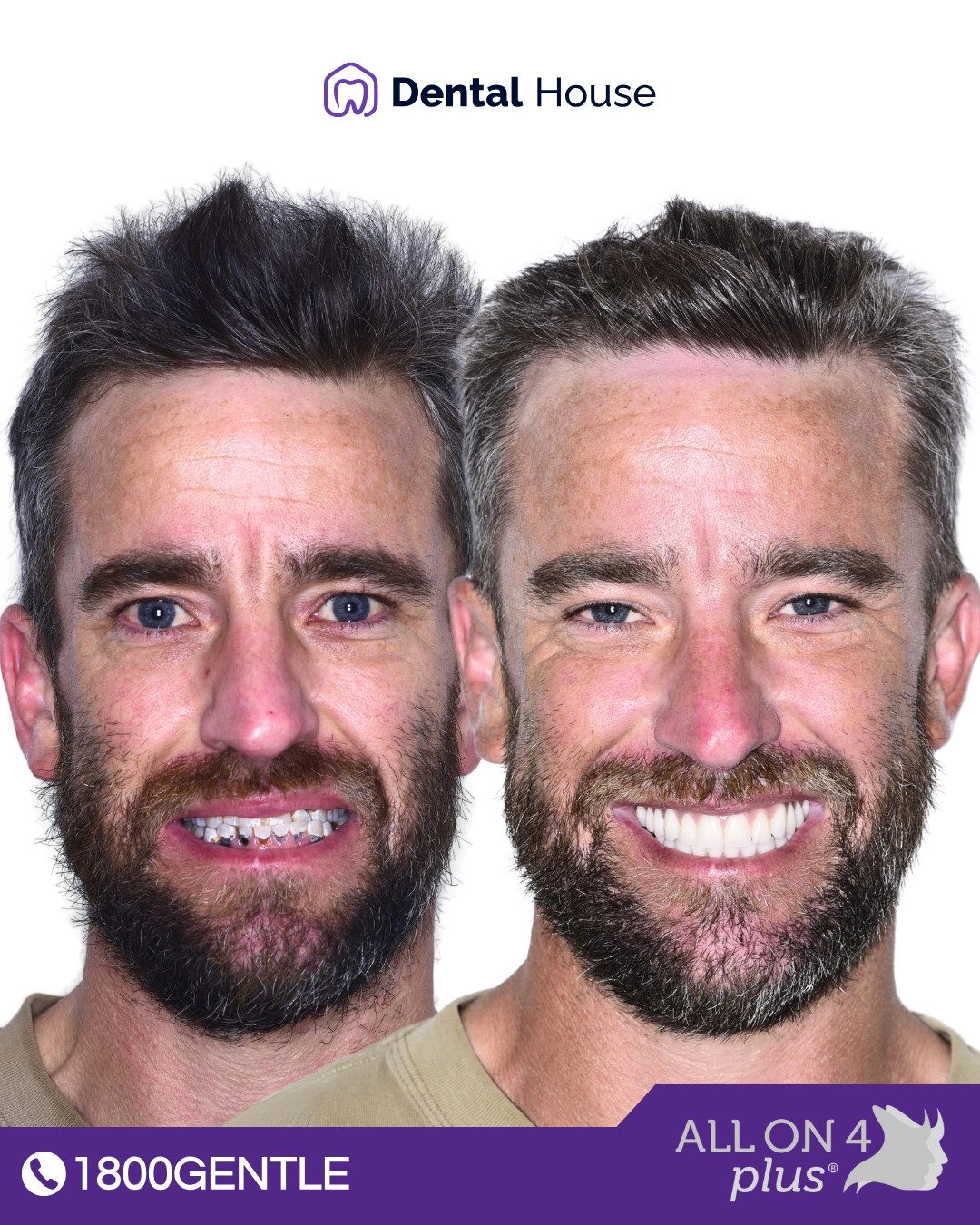
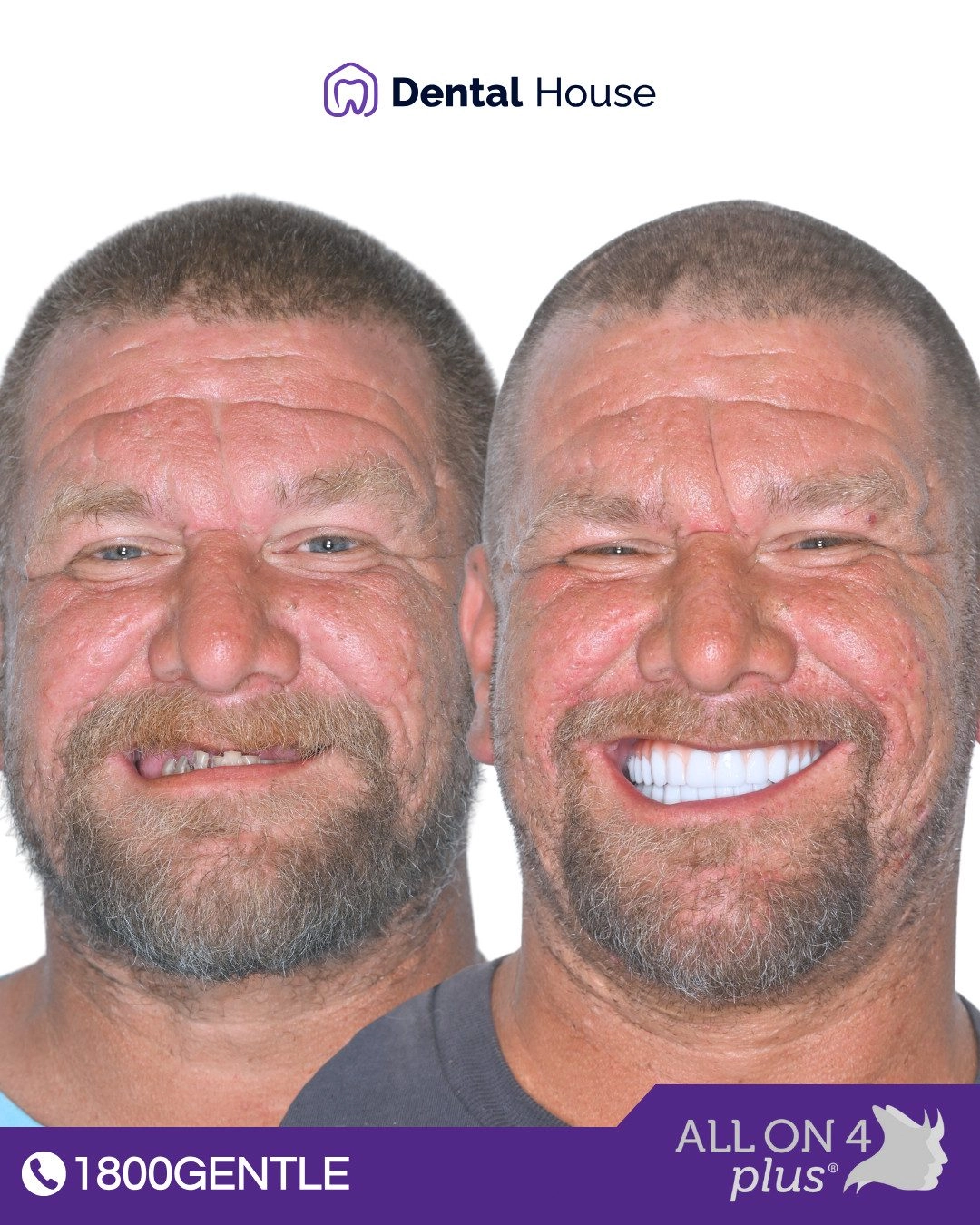
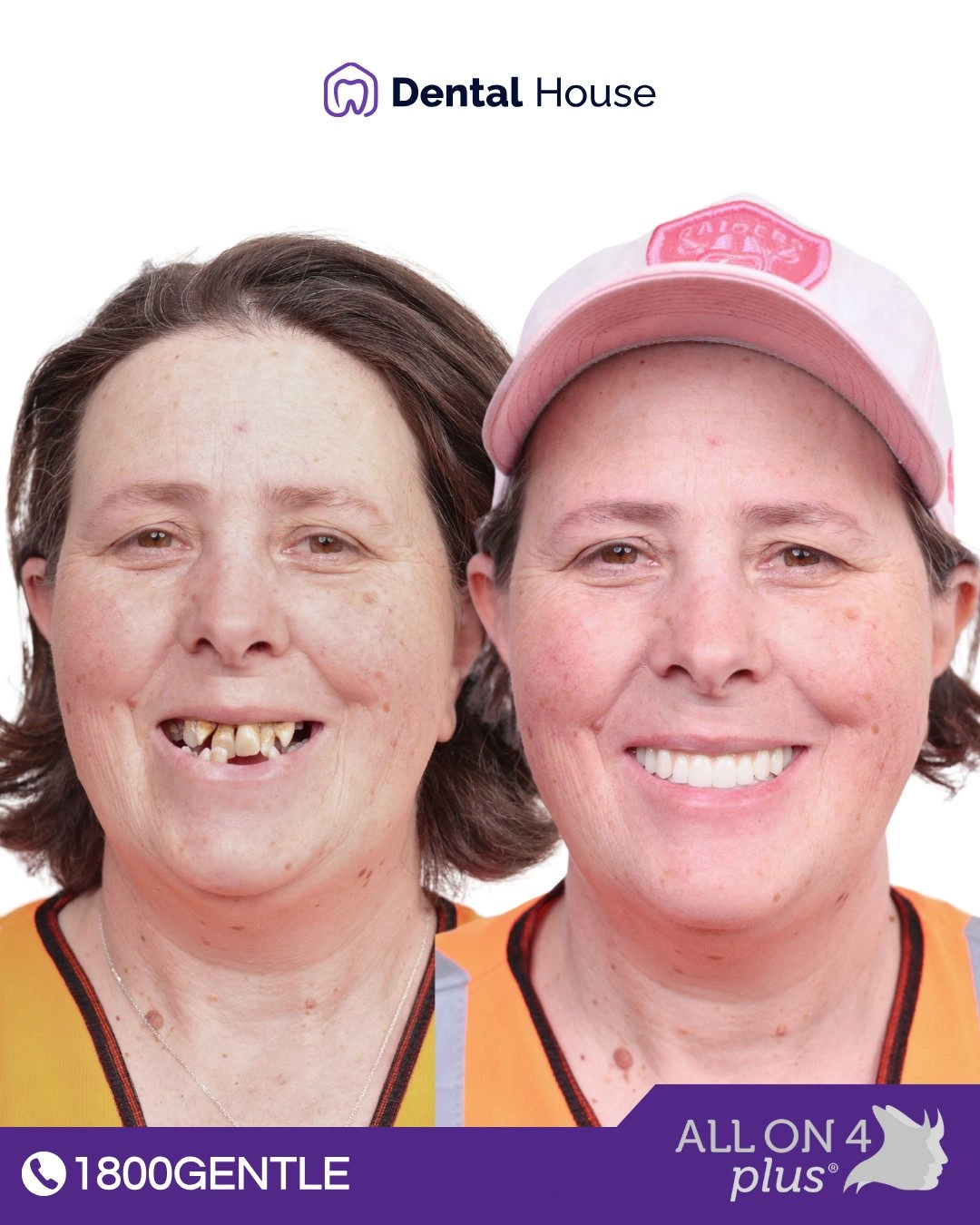
Phase 3: Ceramic Restoration: Ten all-ceramic veneers were placed using appropriate ceramic material systems to address colour consistency and improve functional relationships. Treatment was performed with careful attention to occlusal considerations.
Clinical Outcome
The coordinated treatment approach addressed the patient’s endodontic and aesthetic concerns through sequential dental interventions. Root canal therapy addressed pulpal pathology, whilst ceramic veneers improved colour consistency and functional relationships. Whitening treatment addressed intrinsic and extrinsic discolouration.
Individual healing responses vary significantly, and treatment success depends on multiple factors including endodontic healing, ceramic material performance, and ongoing maintenance. Complex cases involving both endodontic and restorative treatment carry increased risk of complications and may require additional intervention over time. Treatment outcomes cannot be guaranteed, and individual results vary considerably between patients.
Frequently Asked Questions for Sunbury Patients
What are the benefits of microscope-enhanced endodontic treatment?
Microscope enhancement may improve visualisation during endodontic procedures, though treatment success depends primarily on case complexity and individual healing factors. Enhanced visualisation does not guarantee treatment success or prevent complications.
How does ceramic material selection affect veneer treatment outcomes?
Different ceramic materials have varying characteristics regarding strength, aesthetics, and bonding properties. Material selection depends on individual case requirements, though treatment outcomes remain unpredictable and depend on multiple factors beyond material choice.
What is the typical healing timeline for combined endodontic and aesthetic treatment?
Healing timelines vary significantly between individuals and depend on treatment complexity. Endodontic healing may take several months, whilst aesthetic integration occurs over weeks following veneer placement. Individual responses differ considerably and cannot be predicted accurately.