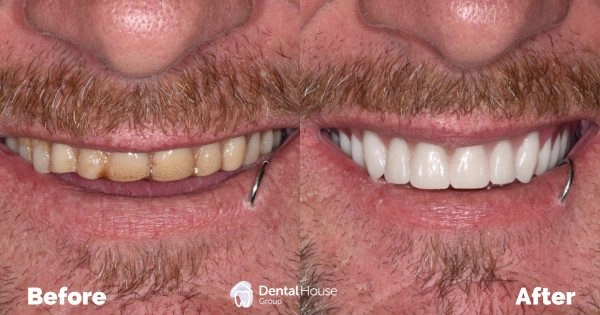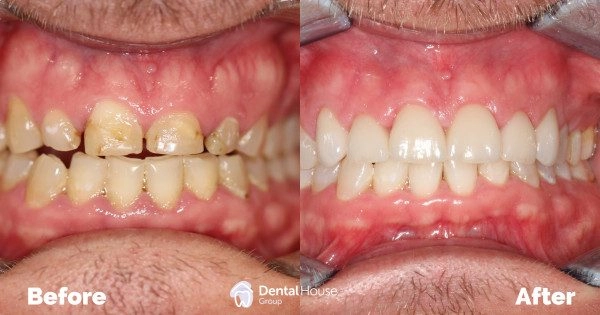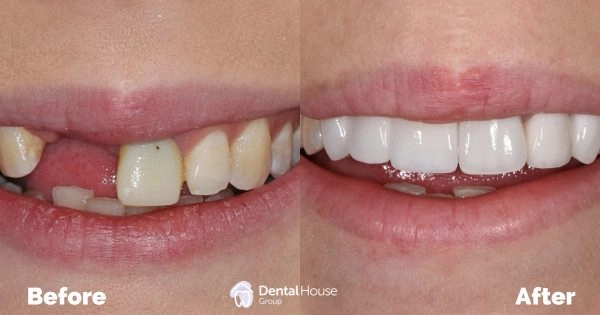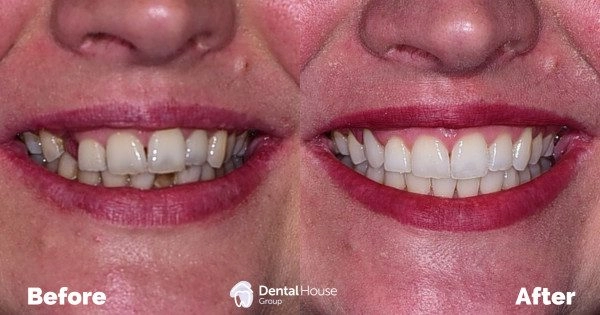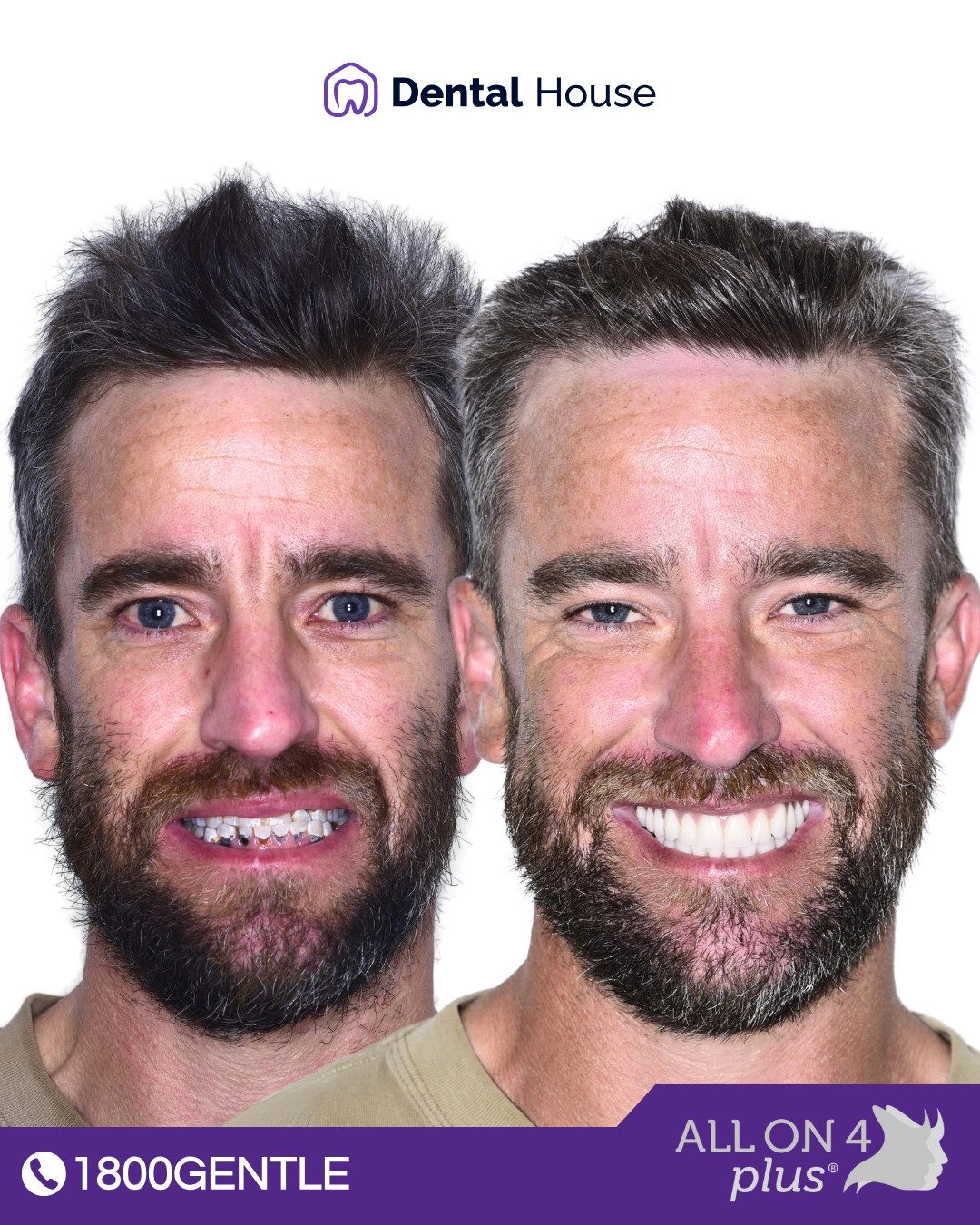
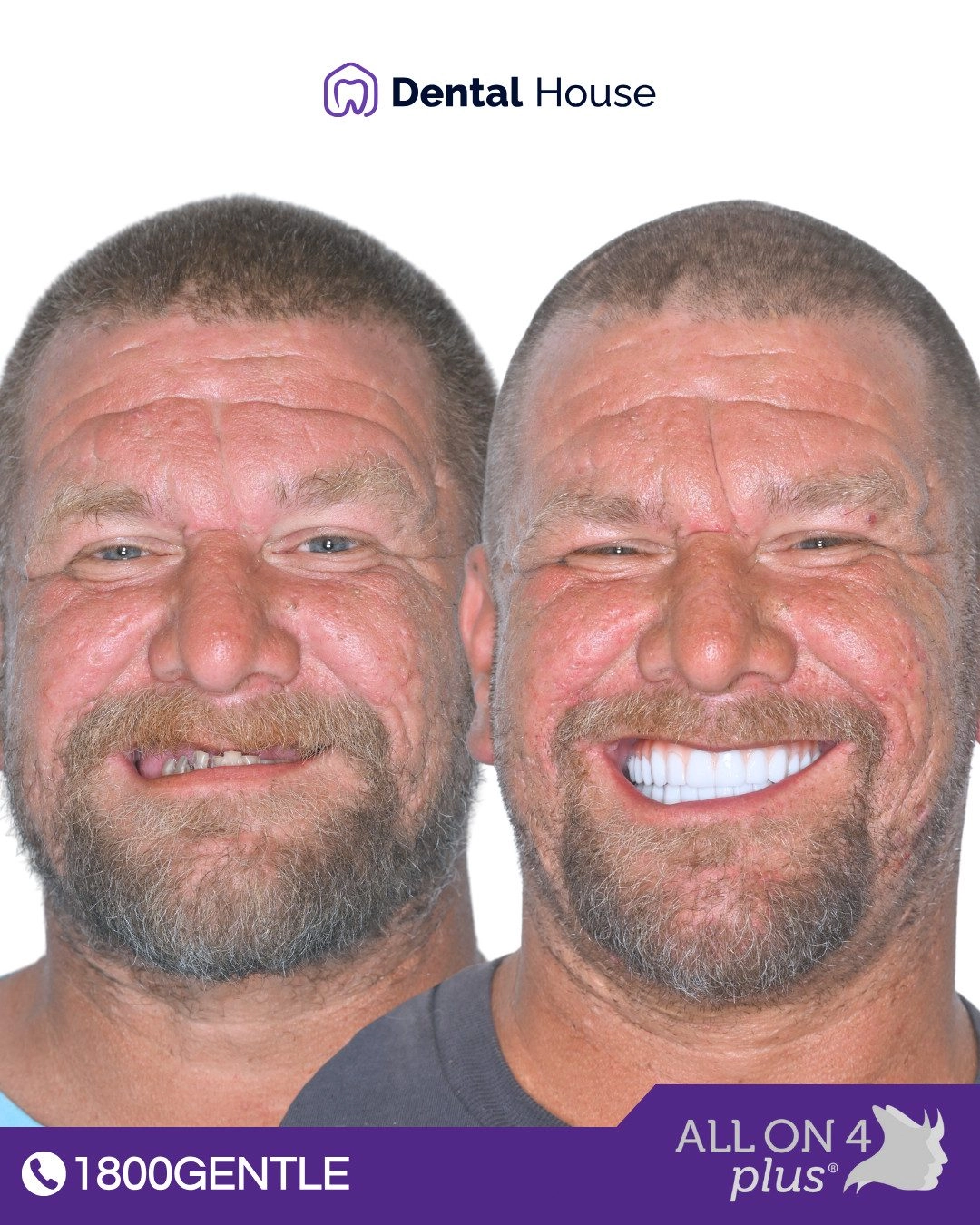
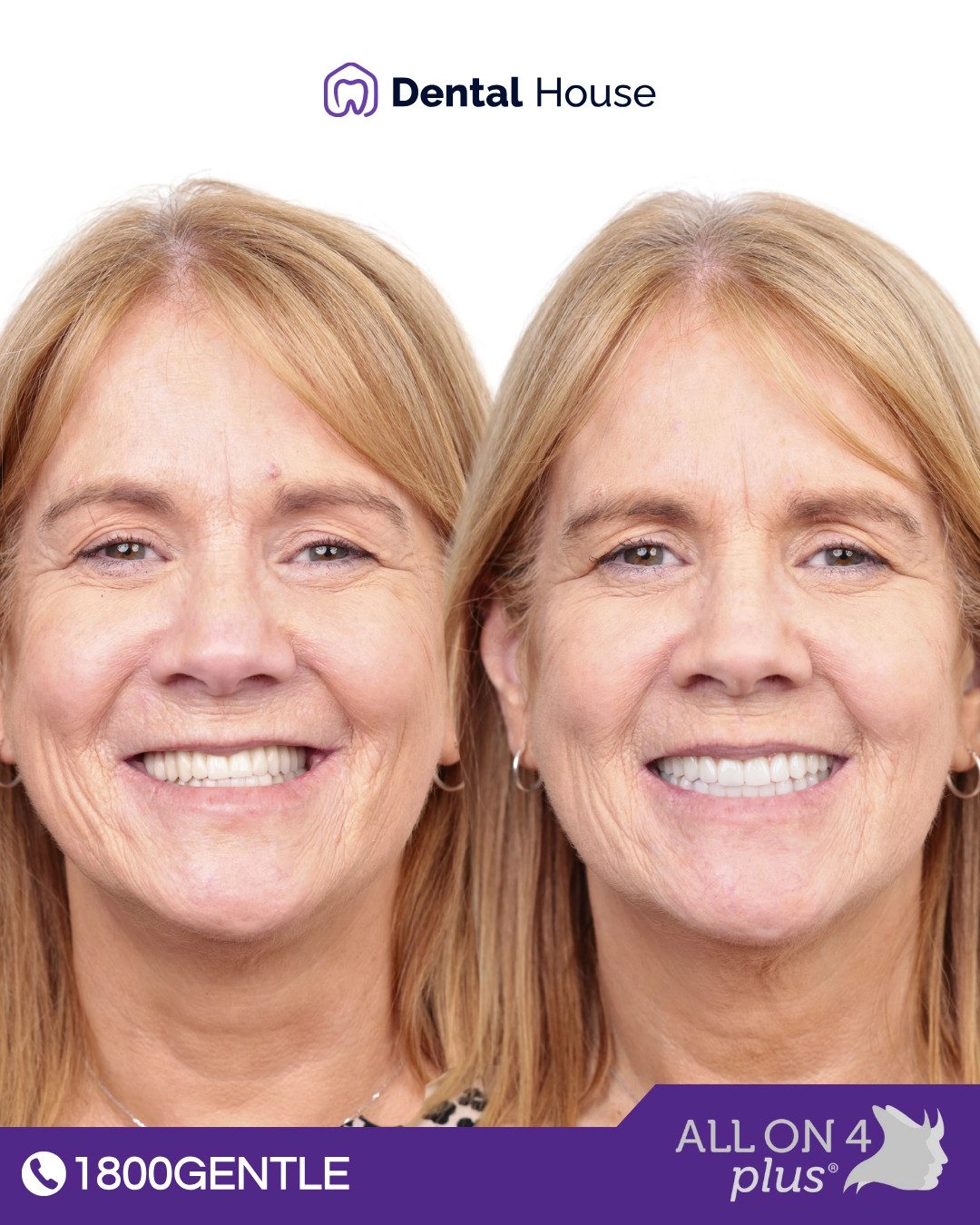
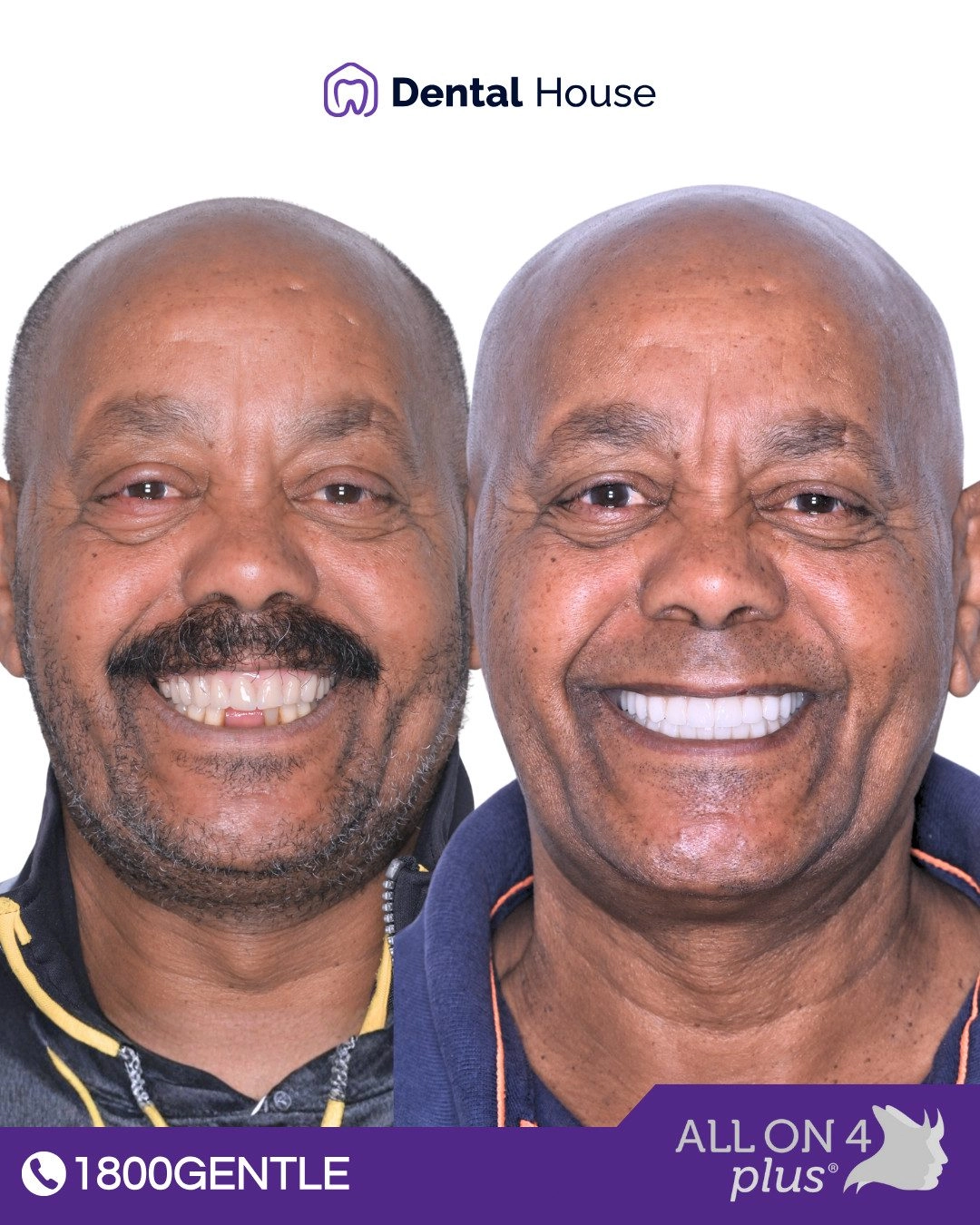
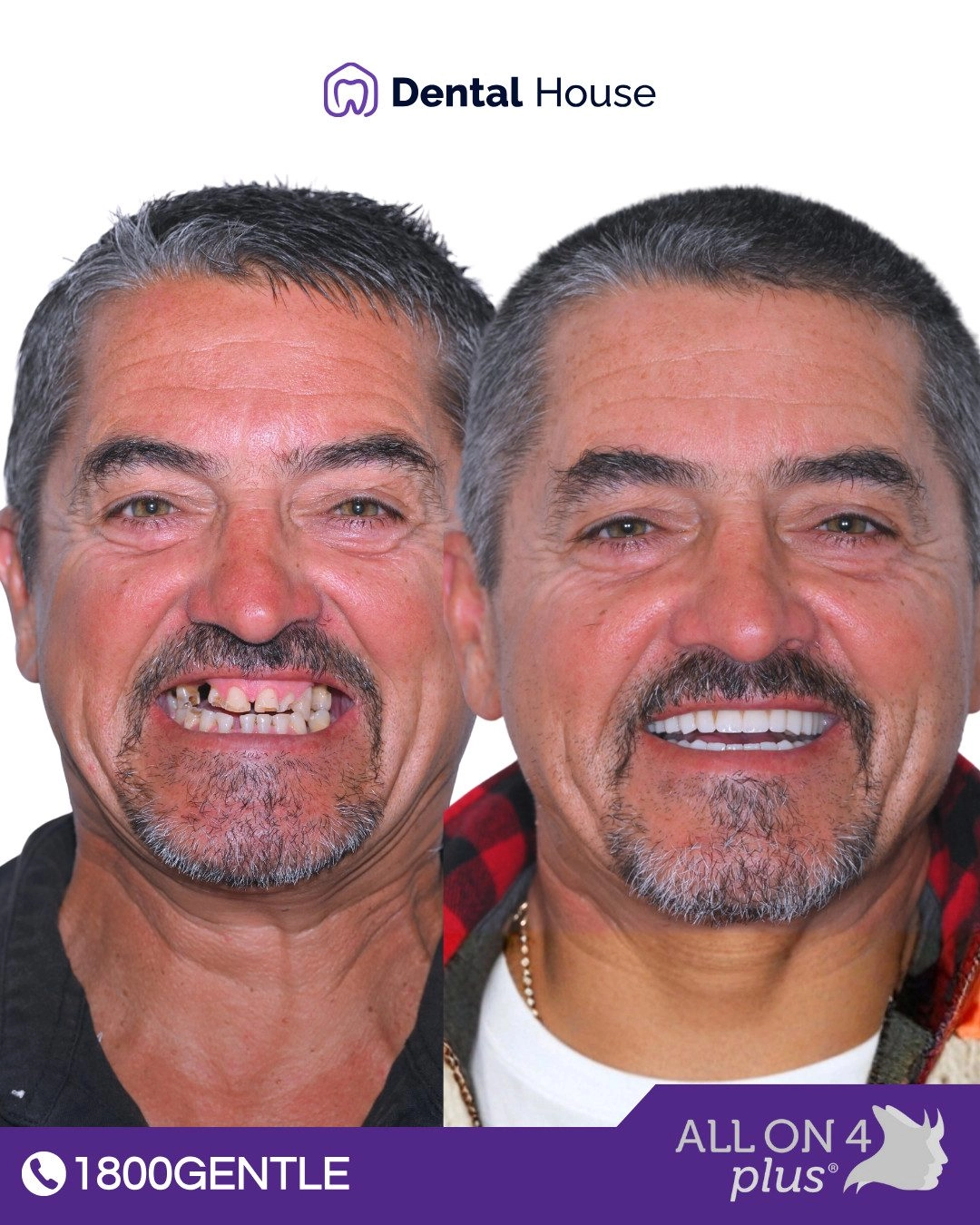
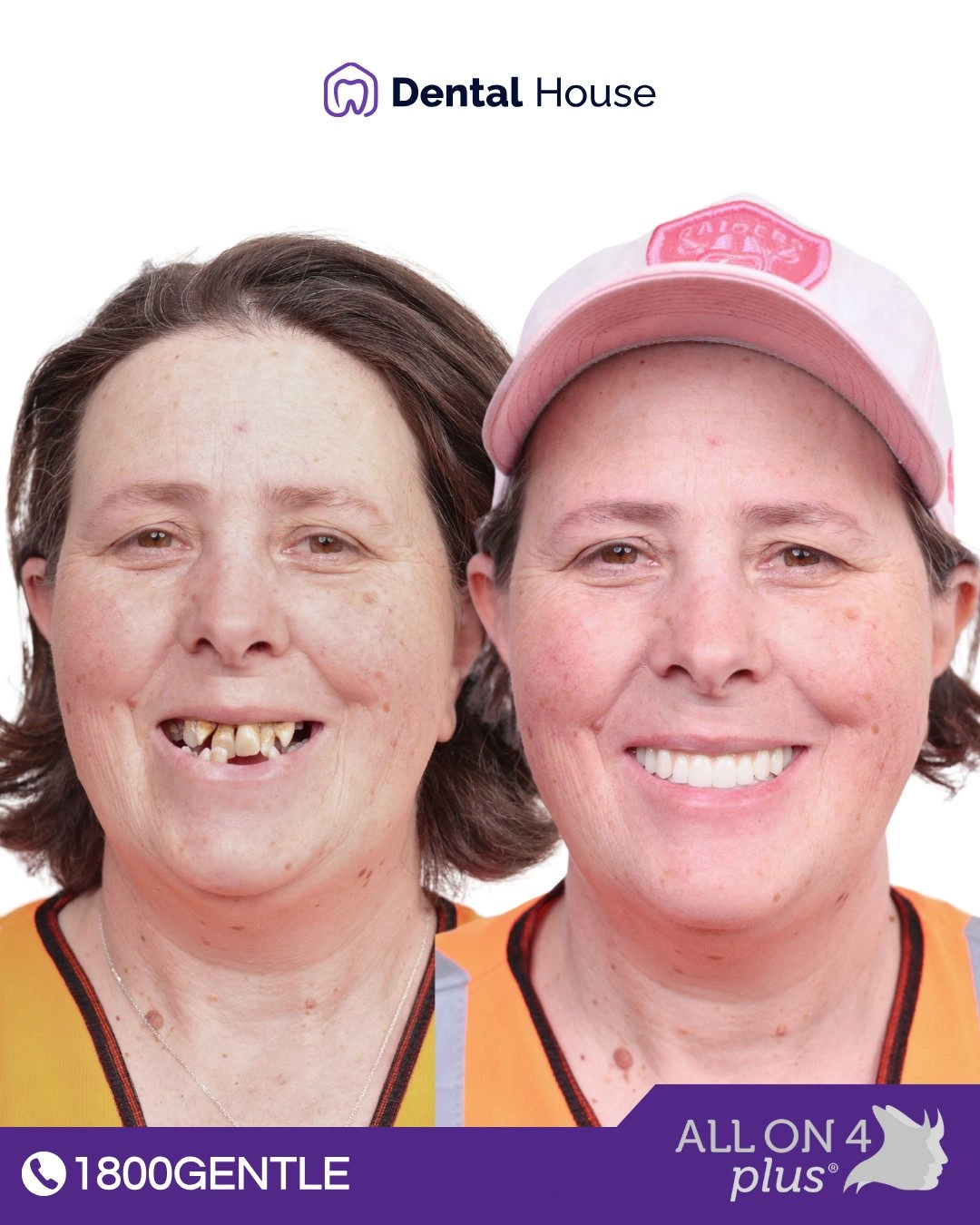

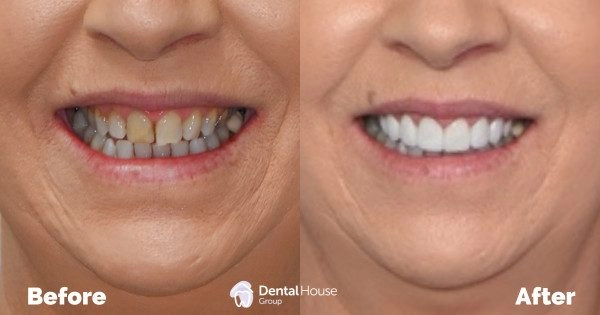

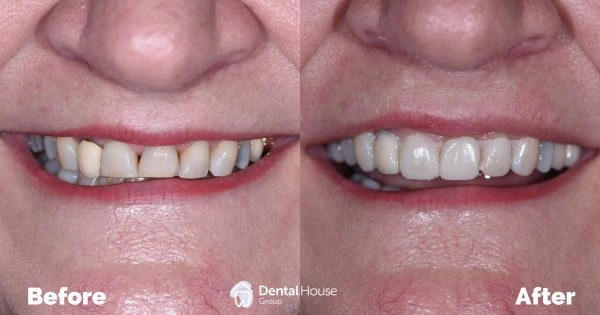
Can staged crown and veneer treatment restore extensive dental damage in Sunbury?
Presenting Clinical Problem
A patient presented with extensive dental damage requiring staged rehabilitation to restore function and aesthetics progressively.
- Extensive Structural Damage: Advanced wear affecting multiple teeth requiring systematic intervention
- Multiple Restoration Failures: Several existing crowns showing deterioration needing replacement
- Progressive Treatment Needs: Case complexity requiring staged treatment approach for optimal outcomes
- Functional Priorities: Need to maintain function throughout extended treatment period
The primary clinical objective was to restore dental structure through staged crown and veneer treatment allowing progressive rehabilitation.
Treatment Plan & Clinical Process
A staged rehabilitation approach was developed enabling progressive treatment delivery.
Phase 1: Staged Assessment: Staged planning systems enabled systematic evaluation prioritising treatment phases. Progressive treatment protocols were developed to maintain function whilst addressing damage systematically.
Phase 2: Progressive Preparation: Teeth were prepared in stages allowing healing and adaptation between phases. Staged preparation enabled functional maintenance throughout the extended treatment period.
Phase 3: Progressive Restoration: Crowns and veneers were placed in coordinated stages allowing adaptation to each phase. Progressive delivery enabled systematic completion whilst maintaining continuous function.
Clinical Outcome
The staged rehabilitation addressed extensive damage through progressive crown and veneer treatment. Staged approach enabled systematic completion whilst maintaining function throughout treatment.
Individual responses to staged rehabilitation vary significantly. Progressive treatment requires extended timeframes and multiple adaptation periods. Outcomes depend on factors including healing between stages, ongoing functional demands, and compliance with staged protocols. Treatment success cannot be guaranteed, and complications may affect progression. Long-term stability depends on completed rehabilitation maintenance.
Frequently Asked Questions for Sunbury Patients
What are the advantages of staged dental rehabilitation?
Staged approaches allow healing and adaptation between treatment phases, potentially reducing overall stress on oral structures. However, staged treatment requires extended timeframes and multiple appointments. Individual cases determine whether staged or comprehensive approaches are most appropriate.
How long does staged crown and veneer treatment typically take?
Staged treatment timelines vary significantly based on the number of stages required and individual healing responses. Extended cases may require several months to over a year for complete rehabilitation. Individual progression rates differ considerably.
Can function be maintained during staged treatment?
Staged treatment protocols are designed to maintain function throughout rehabilitation. Temporary restorations or selective staging enables continuous chewing ability, though individual functional capacity may vary during treatment phases.