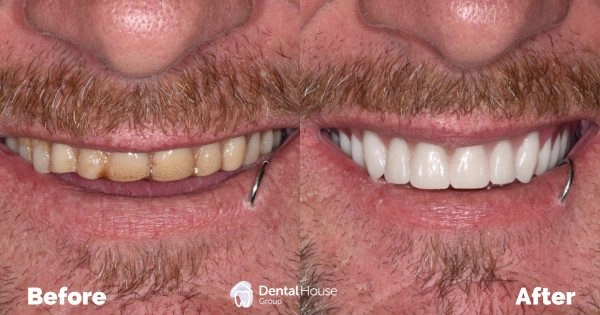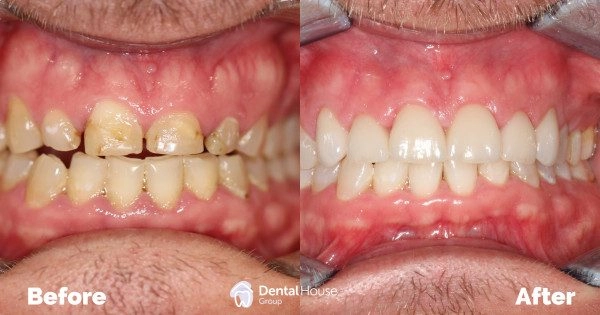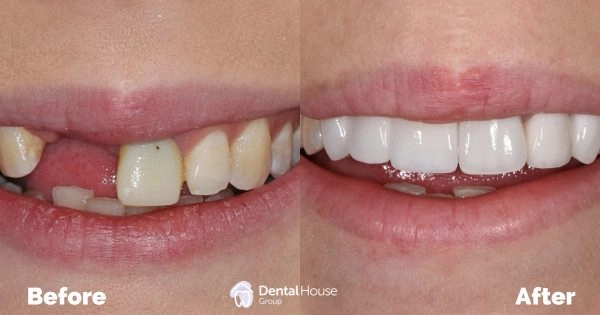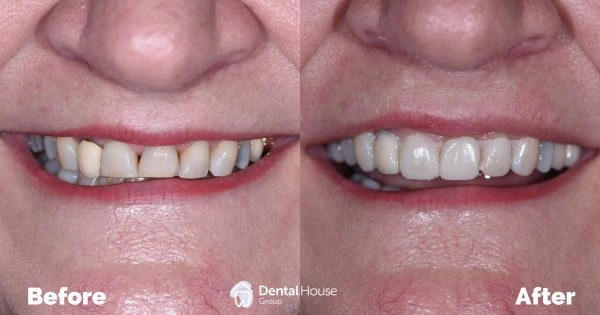



Can Composite Veneers Improve Small and Short Teeth in Gisborne?
Presenting Clinical Problem
- Teeth appearing disproportionately small and short affecting smile aesthetics
- Reduced clinical crown length creating visual concerns
- Patient dissatisfaction with overall smile appearance
- Assessment of tooth structure and enamel availability
- Primary objective: Increase tooth dimensions to improve smile proportions
Treatment Plan & Clinical Process
Phase 1: Assessment and Design Planning
- Comprehensive examination of existing tooth structure and proportions
- Evaluation of facial features and desired tooth dimensions
- Assessment of available tooth structure for composite bonding
- Shade selection and characterisation planning
- Discussion of composite veneer characteristics and maintenance requirements
Phase 2: Composite Veneer Placement
- Minimal tooth preparation preserving maximum enamel structure
- Composite resin layering to build appropriate tooth length and width
- Shade matching and surface characterisation for natural appearance
- Contouring and shaping to achieve desired proportions
- Final polishing to achieve natural surface texture
Phase 3: Finalisation and Care Instructions
- Bite adjustment to ensure comfortable function
- Post-placement care instructions and maintenance guidance
- Follow-up appointment scheduling for monitoring
- Oral hygiene instruction specific to composite restorations
Clinical Outcome
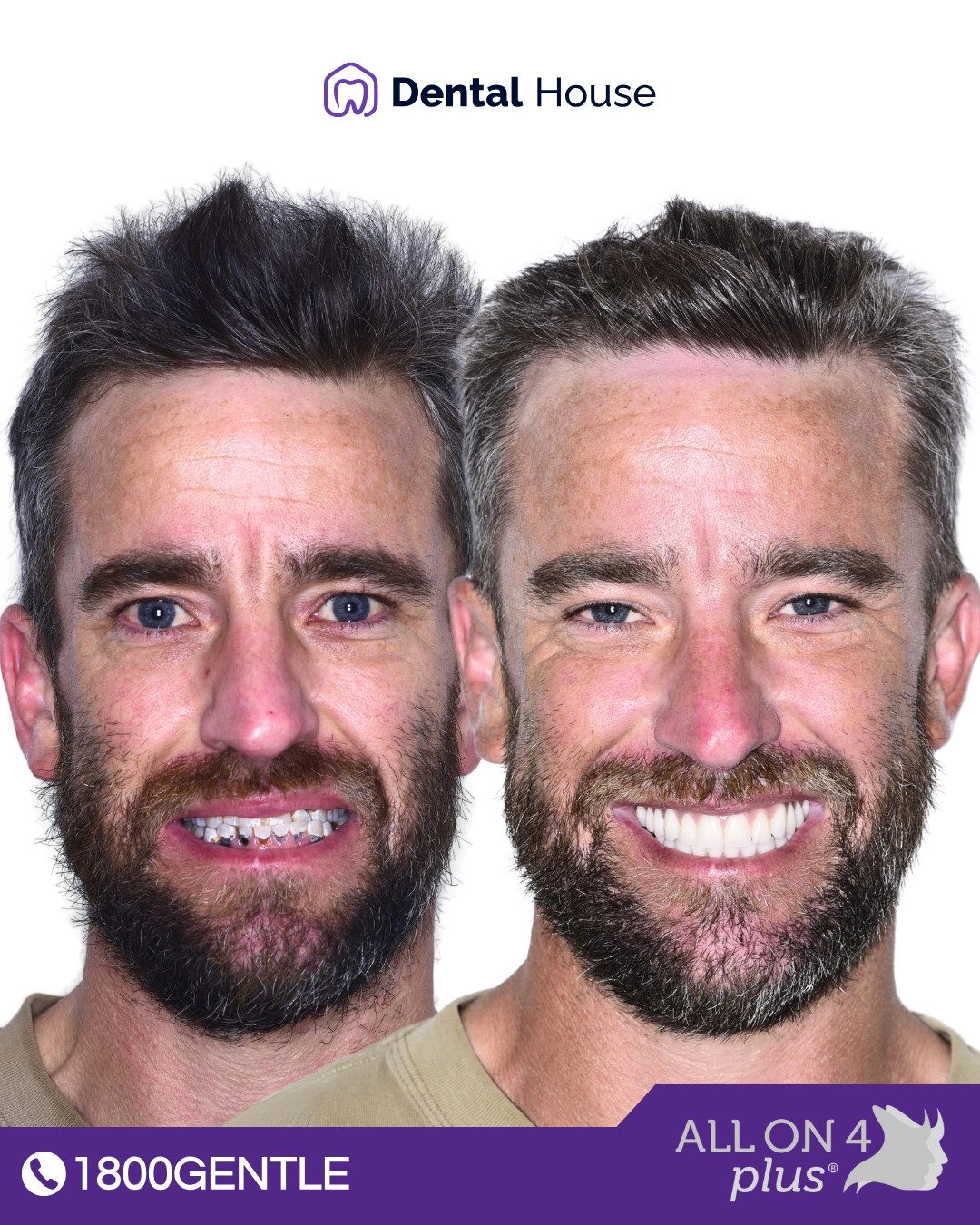
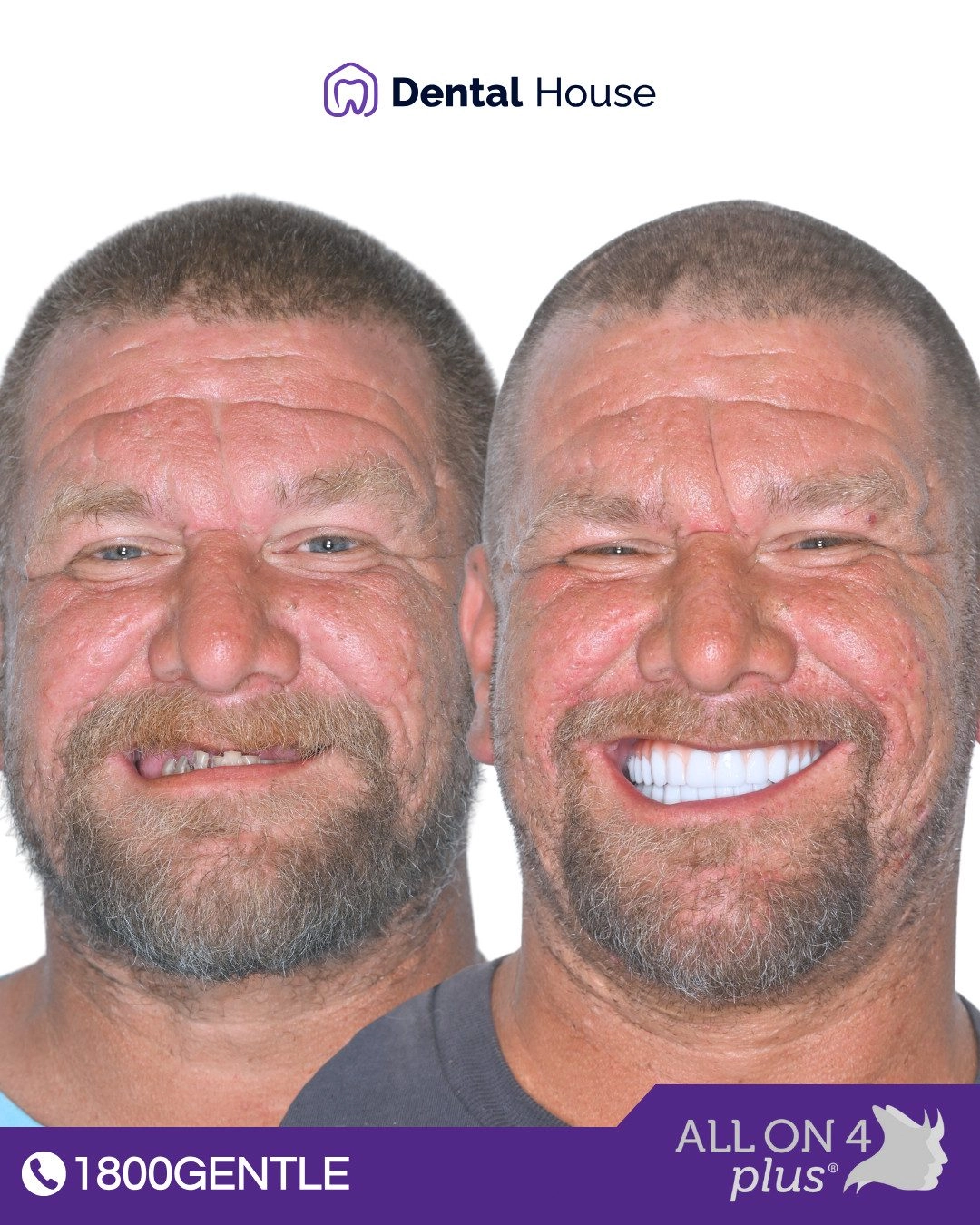
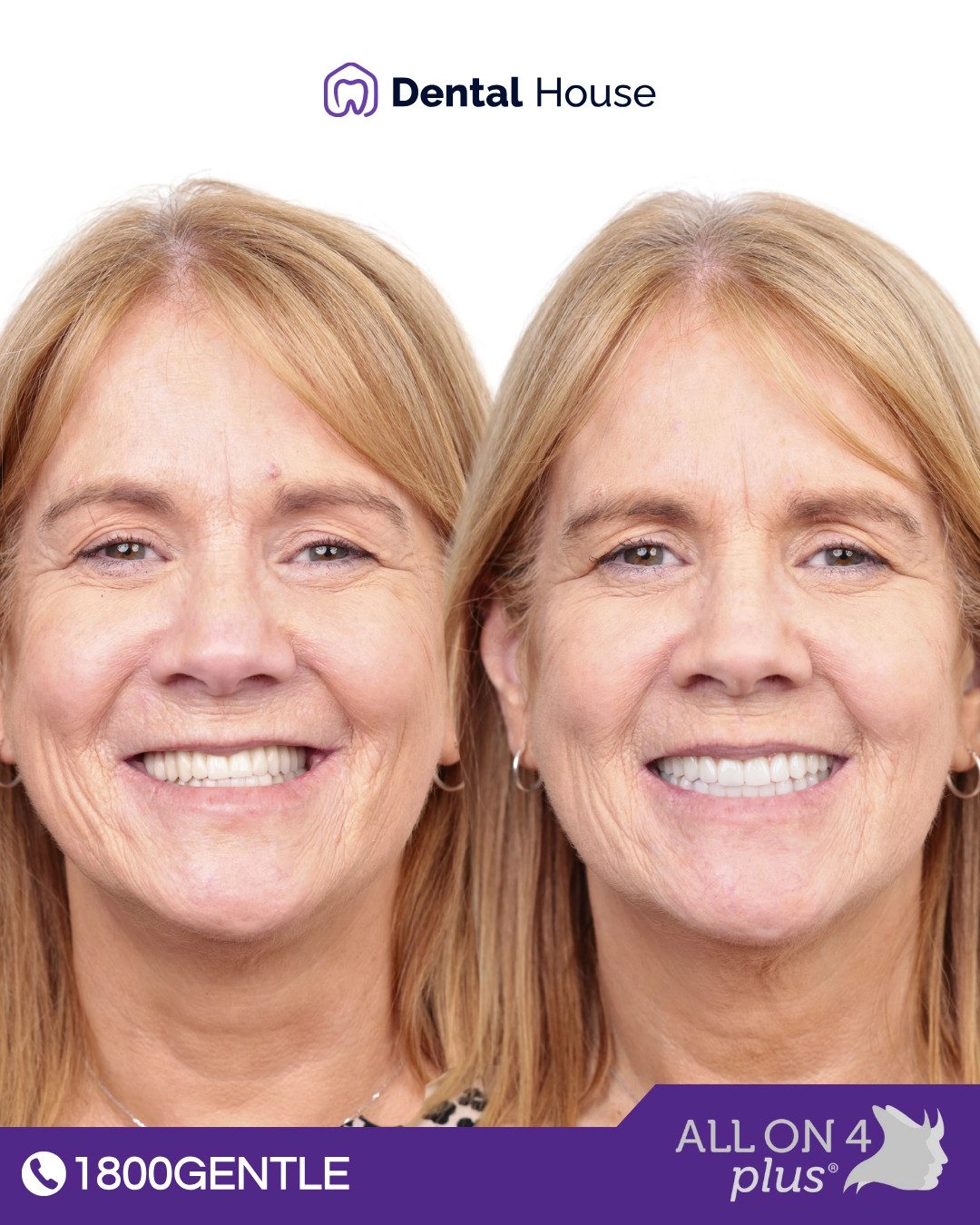
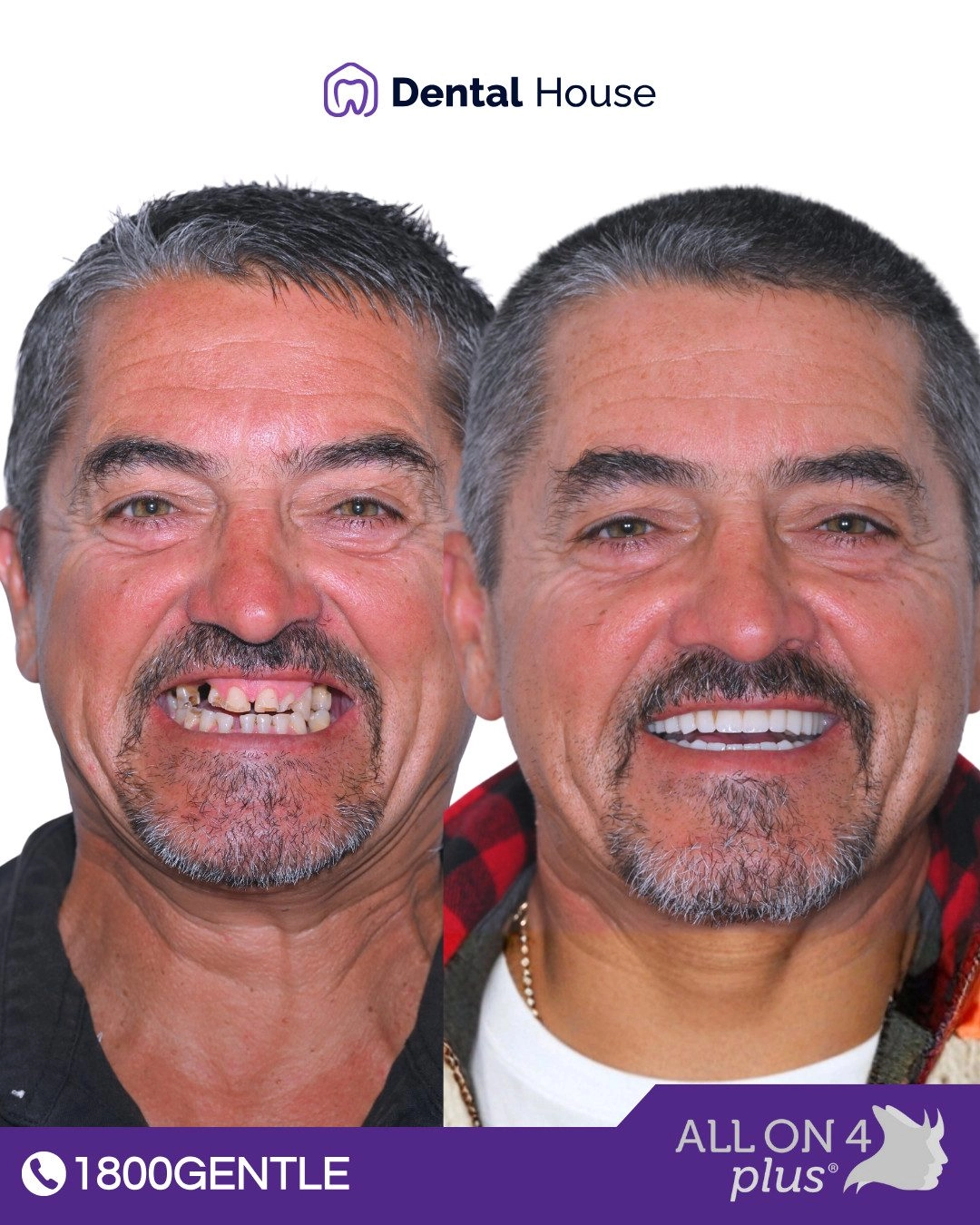
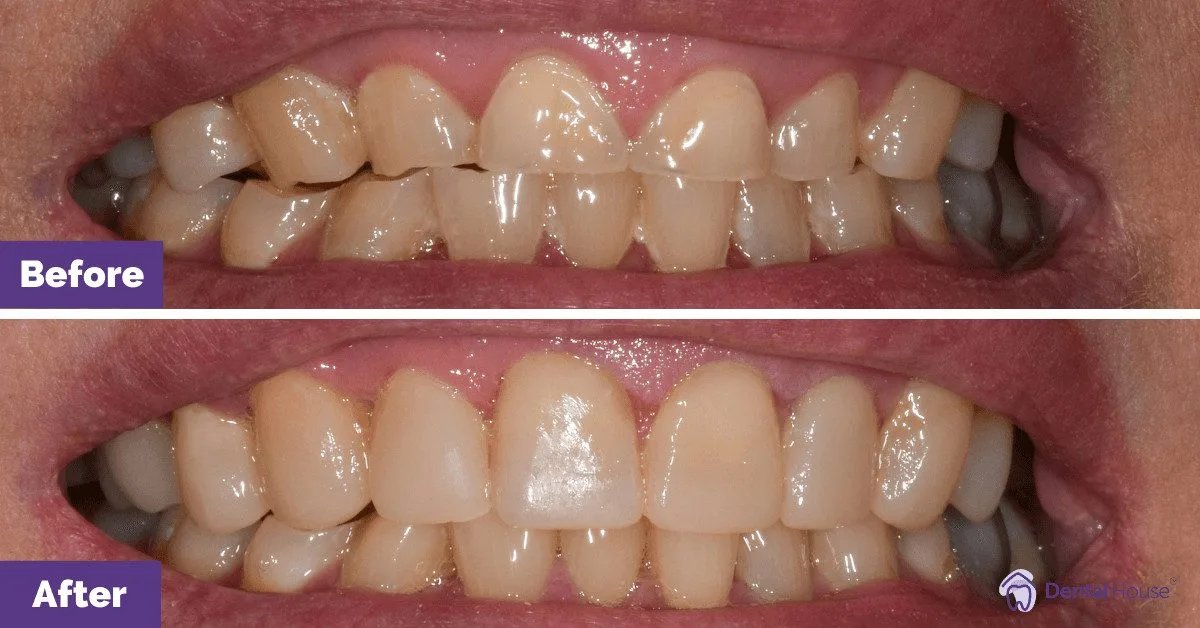
Composite veneers were placed to increase tooth dimensions and improve smile proportions. The direct composite technique allowed for immediate results and conservative treatment with minimal tooth preparation.
Individual responses to composite veneer treatment vary significantly. Treatment outcomes cannot be guaranteed. Composite veneers are more prone to staining and chipping compared to porcelain alternatives. Typical longevity ranges from 5-7 years before repair or replacement is required.