

Can Porcelain Crowns and Veneers Repair Cracked and Discoloured Front Teeth in Sunbury?
Presenting Clinical Problem
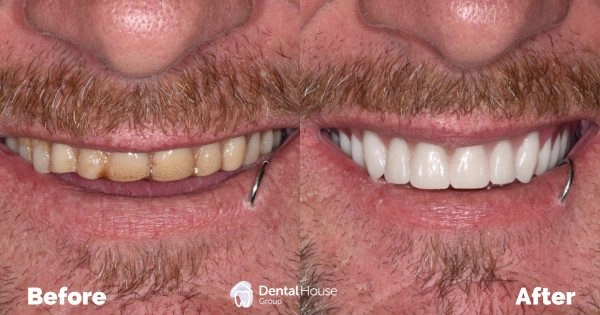
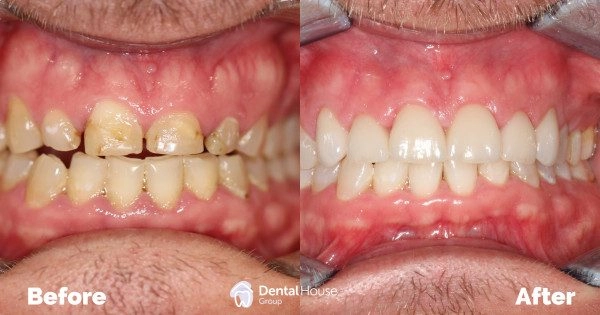
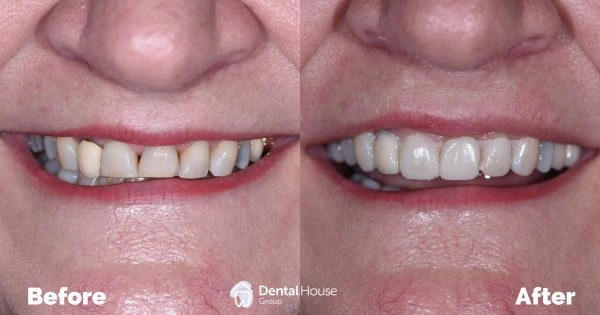
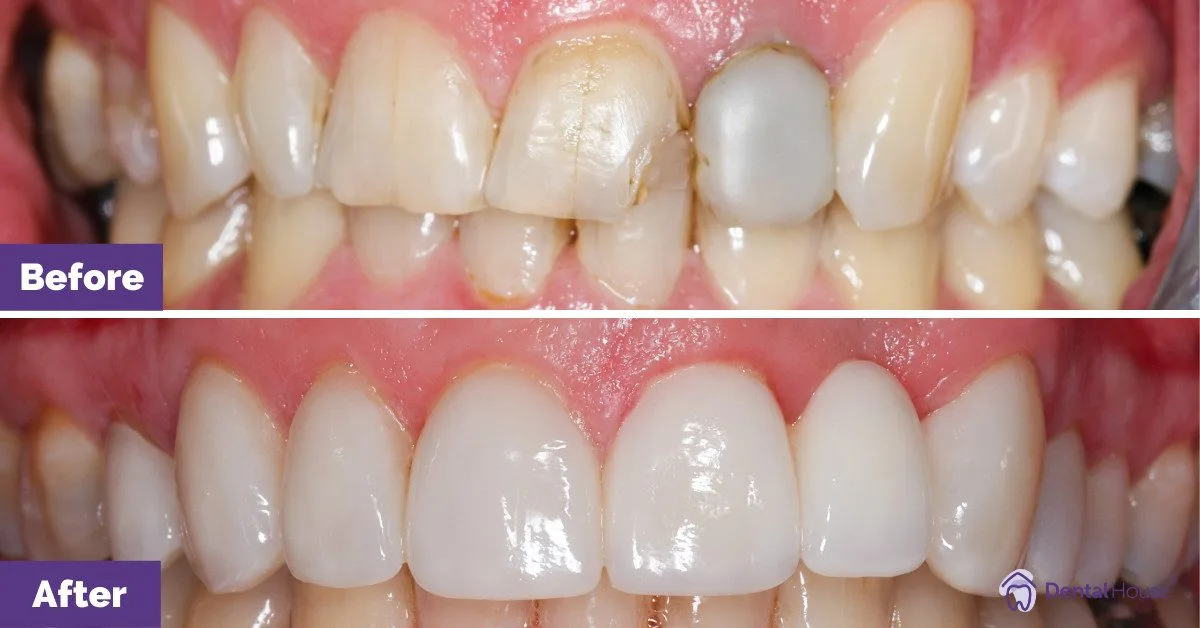
- Cracked anterior teeth compromising structural integrity
- Individual tooth showing discolouration affecting smile aesthetics
- Dark gingival appearance associated with discoloured tooth
- Concerns regarding potential deterioration if left untreated
- Primary objective: Restore cracked teeth and improve overall anterior aesthetics
Treatment Plan & Clinical Process
Phase 1: Assessment and Treatment Planning
- Examination of tooth cracks and assessment of structural damage
- Radiographic evaluation to determine extent of tooth involvement
- Assessment of discolouration source and tissue response
- Treatment planning to determine which teeth require crowns versus veneers
- Discussion of restoration sequence and aesthetic goals
Phase 2: Tooth Preparation
- Sequential preparation of teeth requiring crowns and veneers
- Conservative removal of cracked tooth structure
- Comprehensive shade analysis for multiple restorations
- Temporary restorations during laboratory fabrication periods
- Tissue management and care during provisional phase
Phase 3: Definitive Restoration Placement
- Trial fitting of laboratory-fabricated crowns and veneers
- Shade and fit verification before permanent cementation
- Permanent bonding using appropriate protocols
- Bite adjustment and margin refinement
- Post-placement care instructions and follow-up scheduling
Clinical Outcome
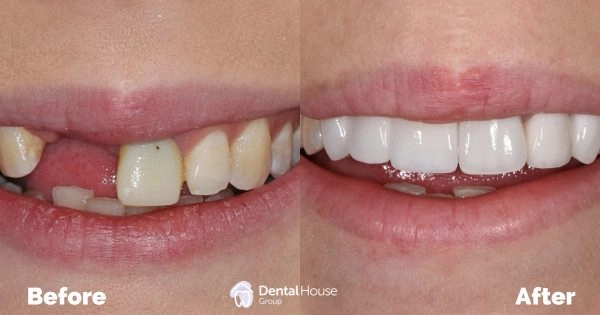
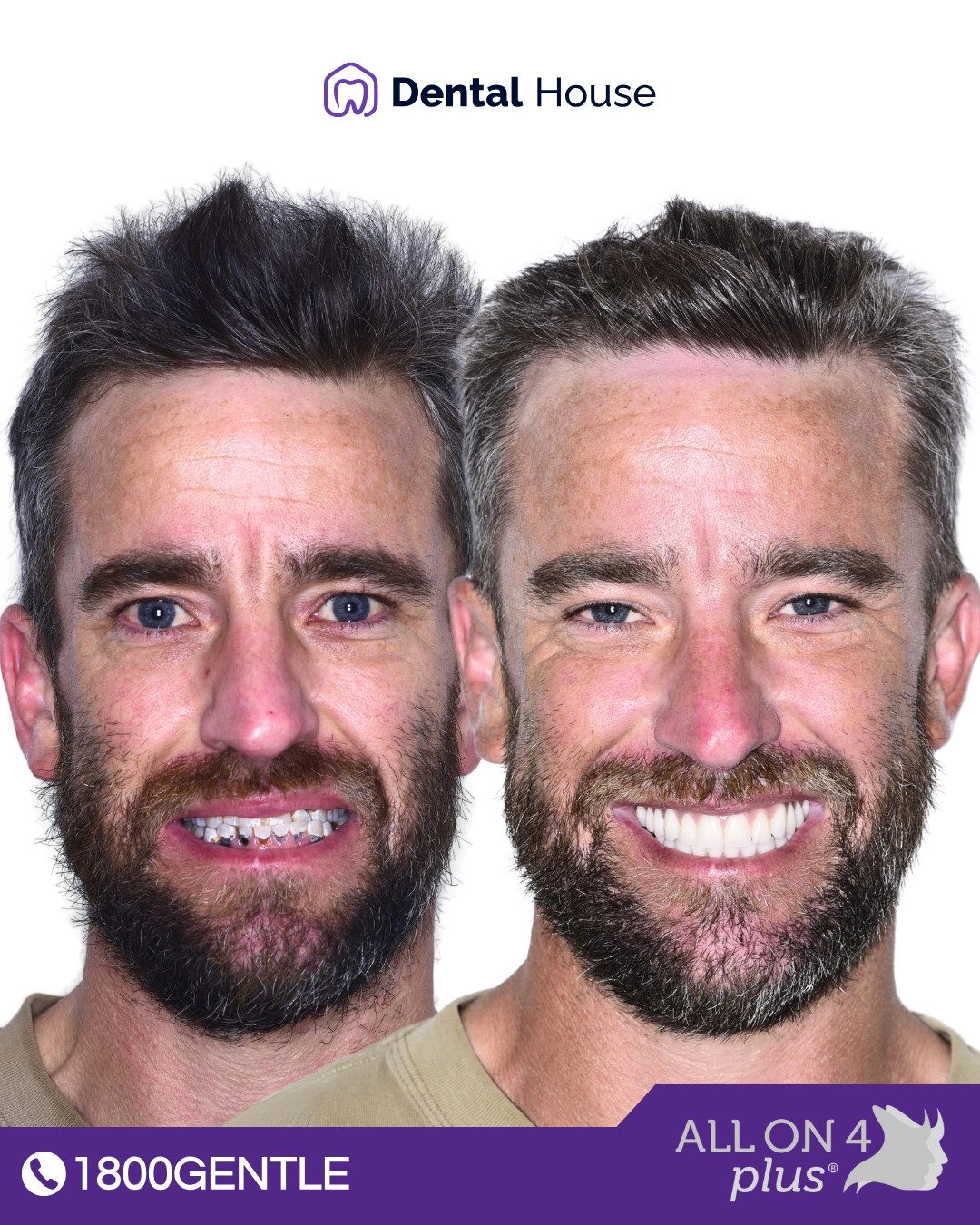
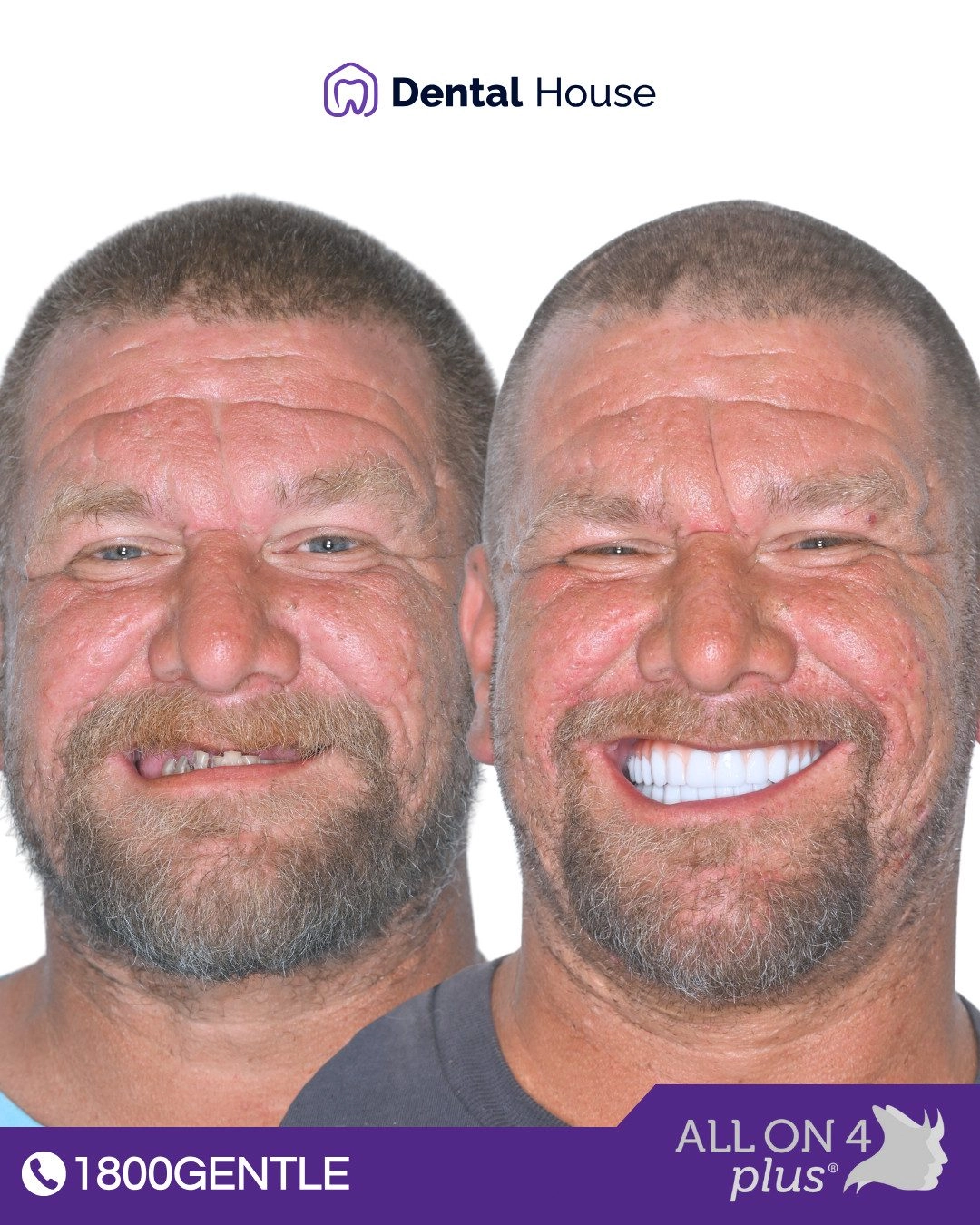
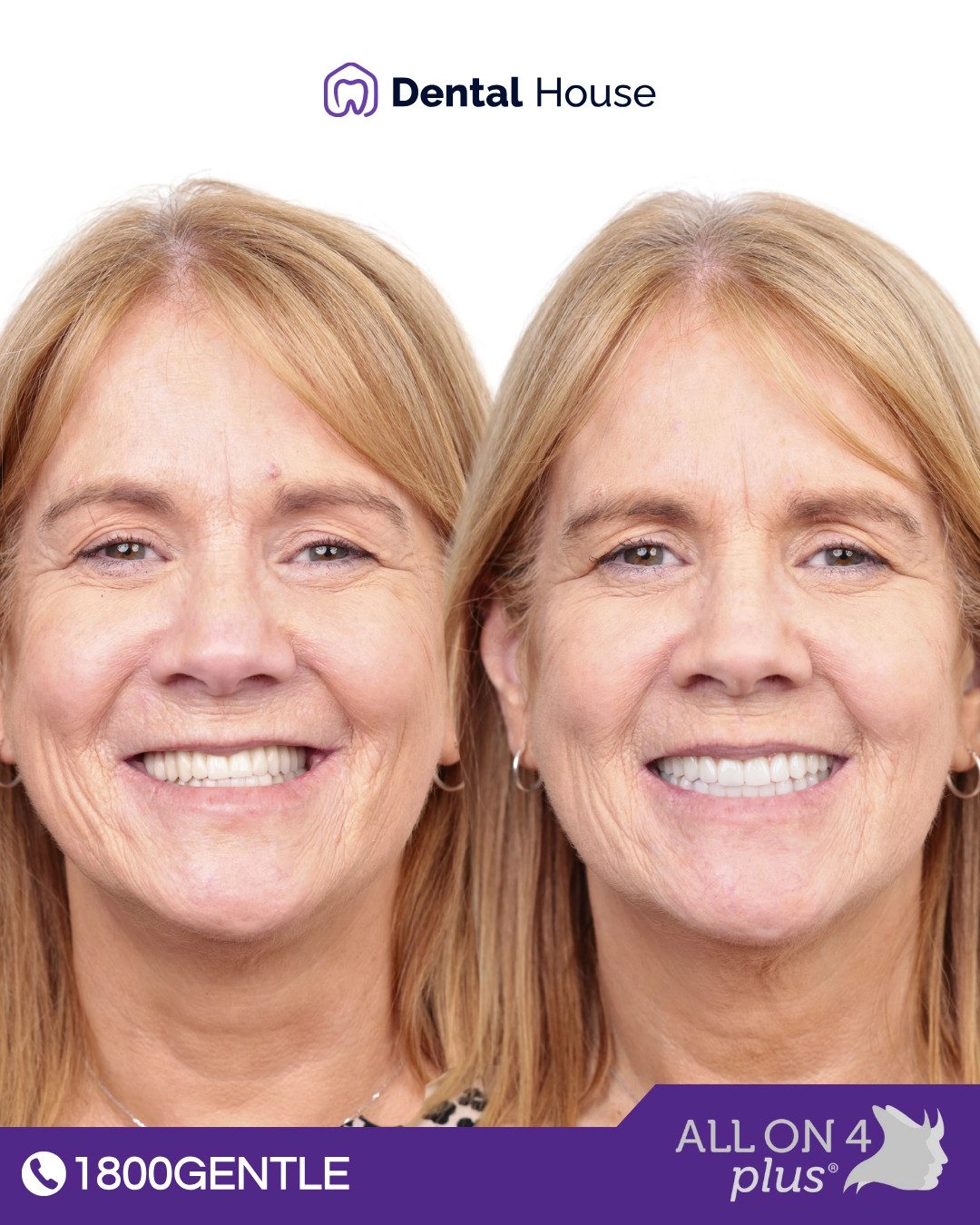
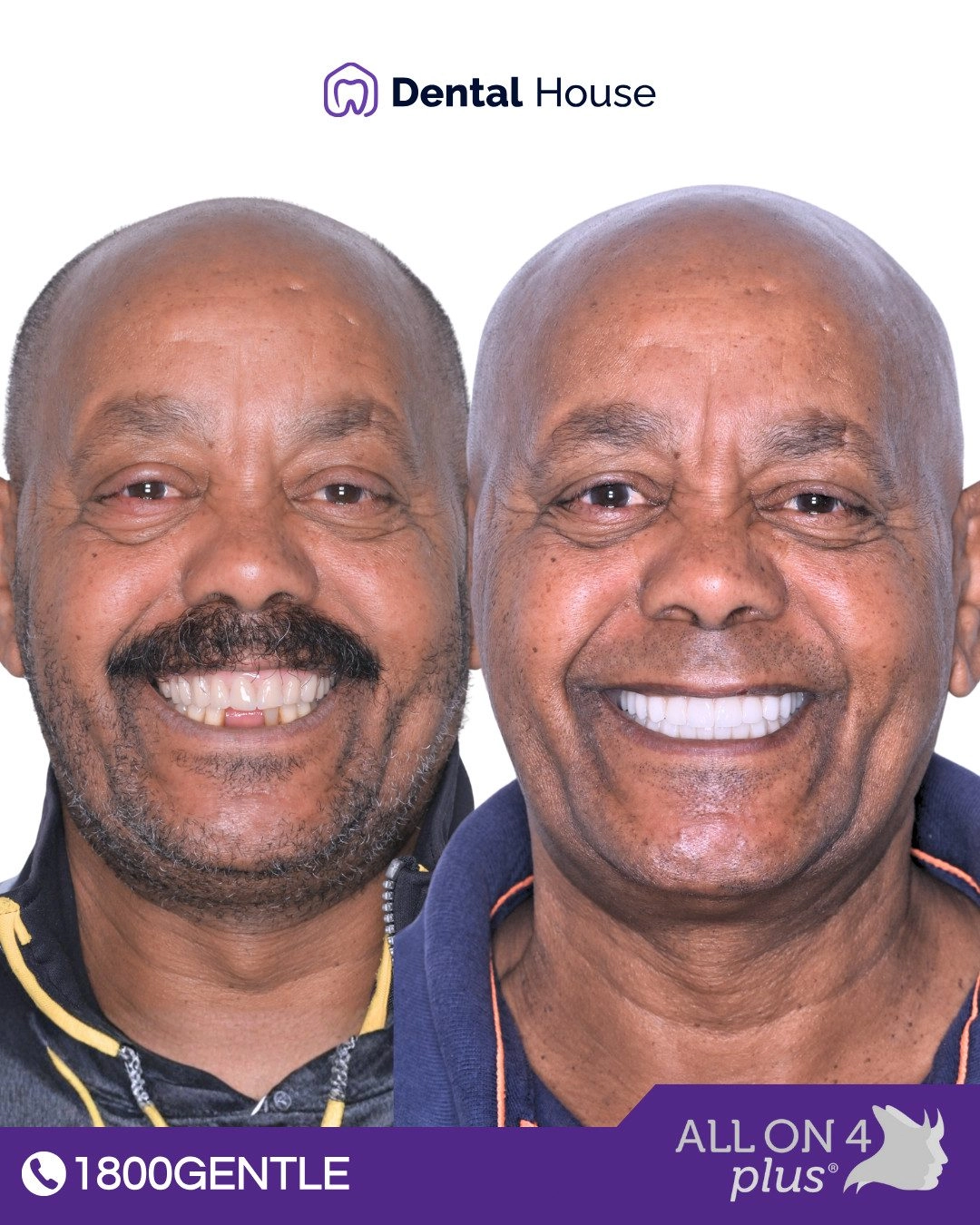
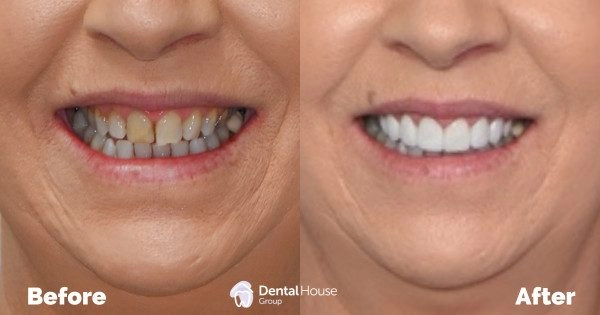
Combination treatment using porcelain crowns for cracked teeth and porcelain veneers for adjacent teeth restored both structural integrity and aesthetics. Multiple appointments allowed for staged treatment and verification of results before completion.
Individual responses to combined crown and veneer treatment vary significantly. Treatment outcomes cannot be guaranteed. Cracked teeth remain at risk for further fracture even when crowned. Typical longevity ranges from 10-15 years though outcomes vary considerably.