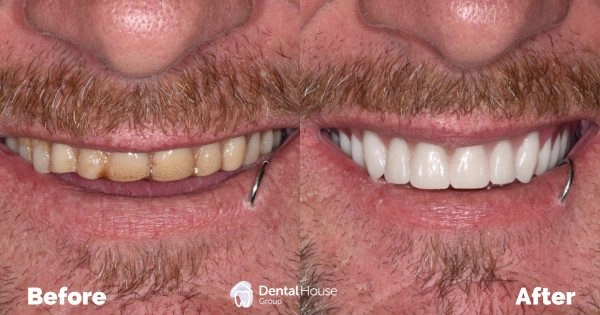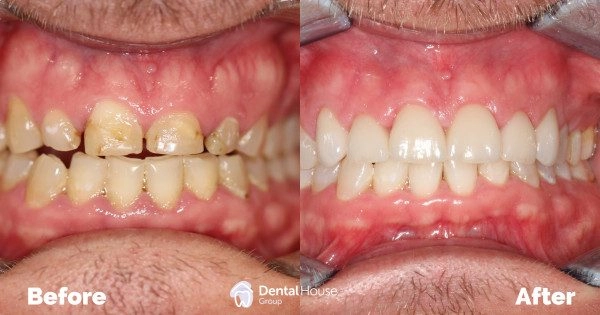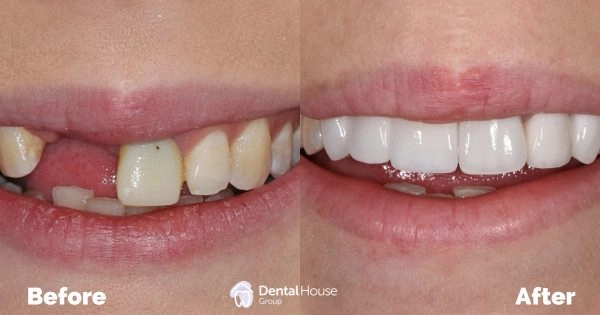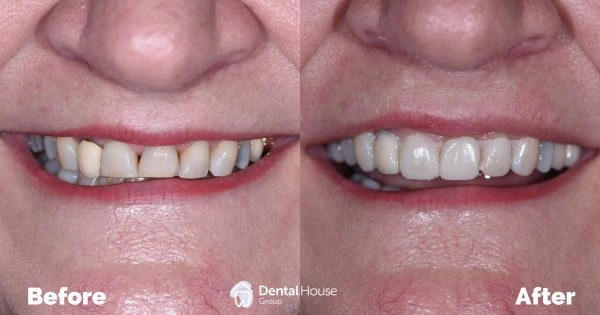


Can Porcelain Veneers Improve Uneven Tooth Appearance in Melbourne?
Presenting Clinical Problem
- Uneven tooth dimensions creating aesthetic concerns
- Variation in tooth size and shape affecting smile appearance
- Patient dissatisfaction with overall smile aesthetics
- Assessment of tooth positions and available structure
- Primary objective: Create harmonious tooth proportions and improve appearance
Treatment Plan & Clinical Process
Phase 1: Assessment and Design Planning
- Comprehensive examination of tooth proportions and alignment
- Evaluation of tooth structure and enamel availability
- Digital smile design to plan veneer dimensions
- Discussion of desired aesthetic outcomes and tooth colour
- Shade selection and characterisation planning
Phase 2: Veneer Preparation
- Conservative tooth preparation to accommodate porcelain thickness
- Sequential preparation if treating multiple teeth
- Precision impression techniques or digital scanning
- Shade verification under multiple lighting conditions
- Temporary veneers during laboratory fabrication period
Phase 3: Veneer Placement and Finalisation
- Trial fitting to verify aesthetics, shape and fit
- Permanent cementation using appropriate resin bonding systems
- Removal of excess cement and margin refinement
- Bite adjustment to ensure comfortable function
- Post-placement care instructions and follow-up scheduling
Clinical Outcome
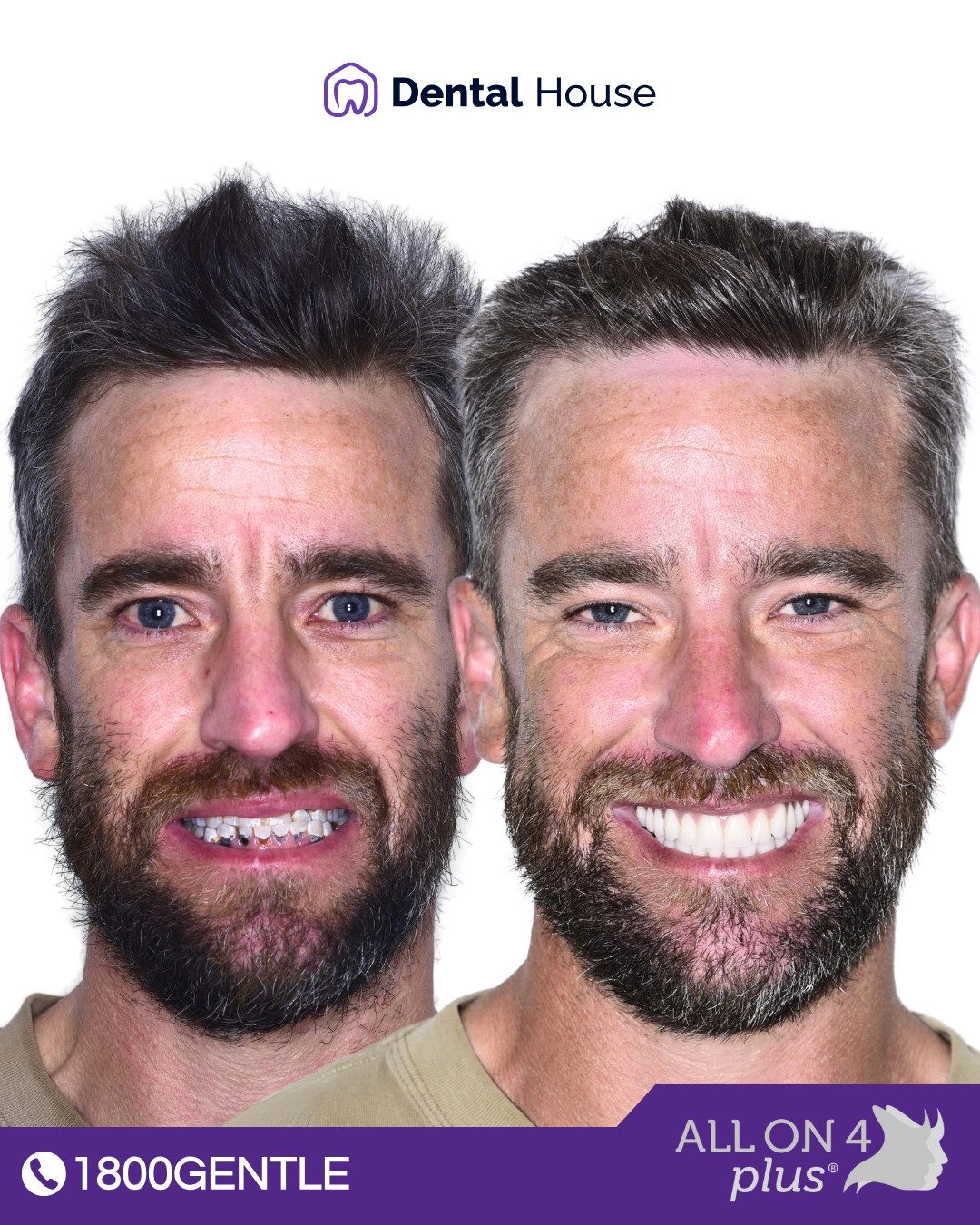
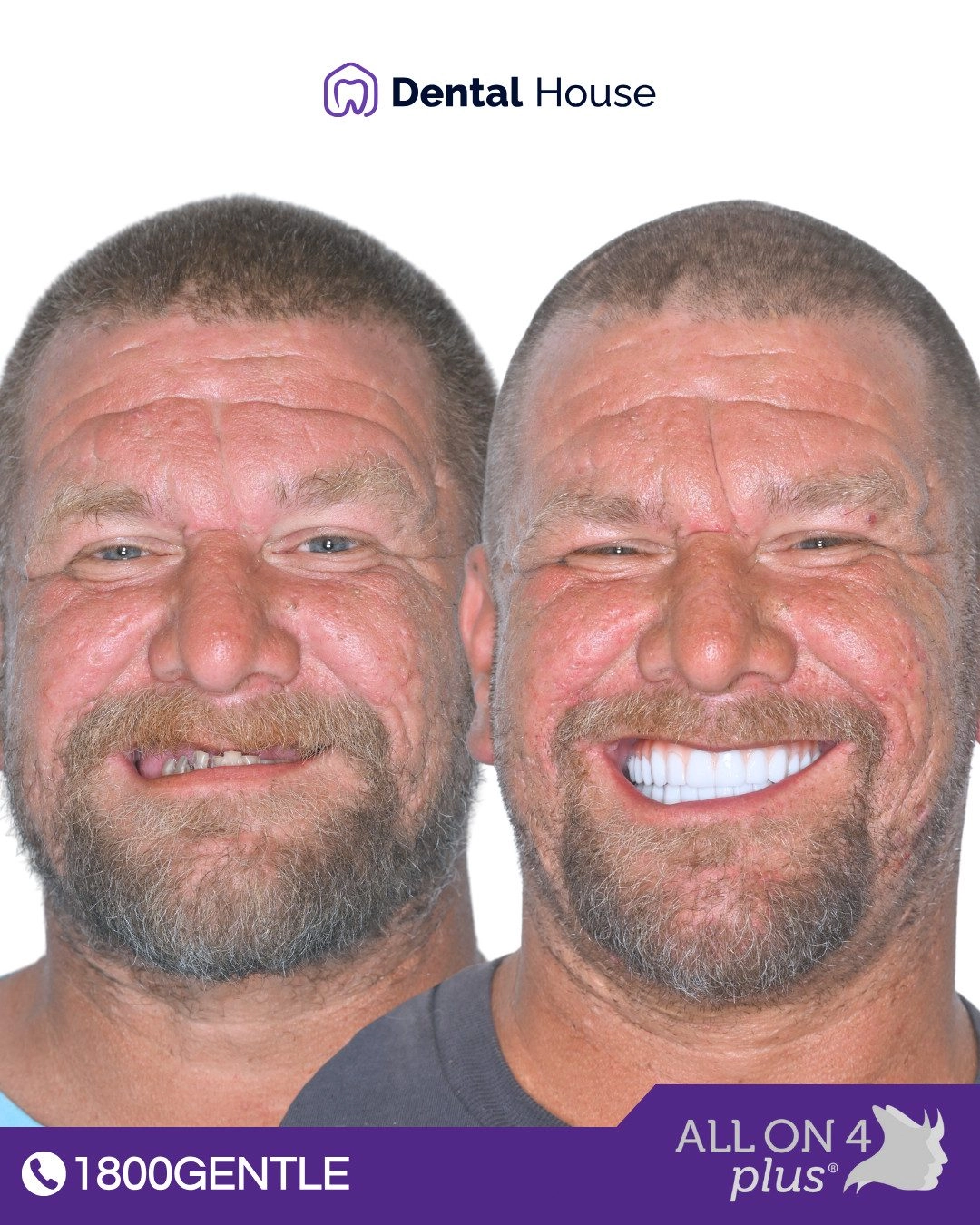
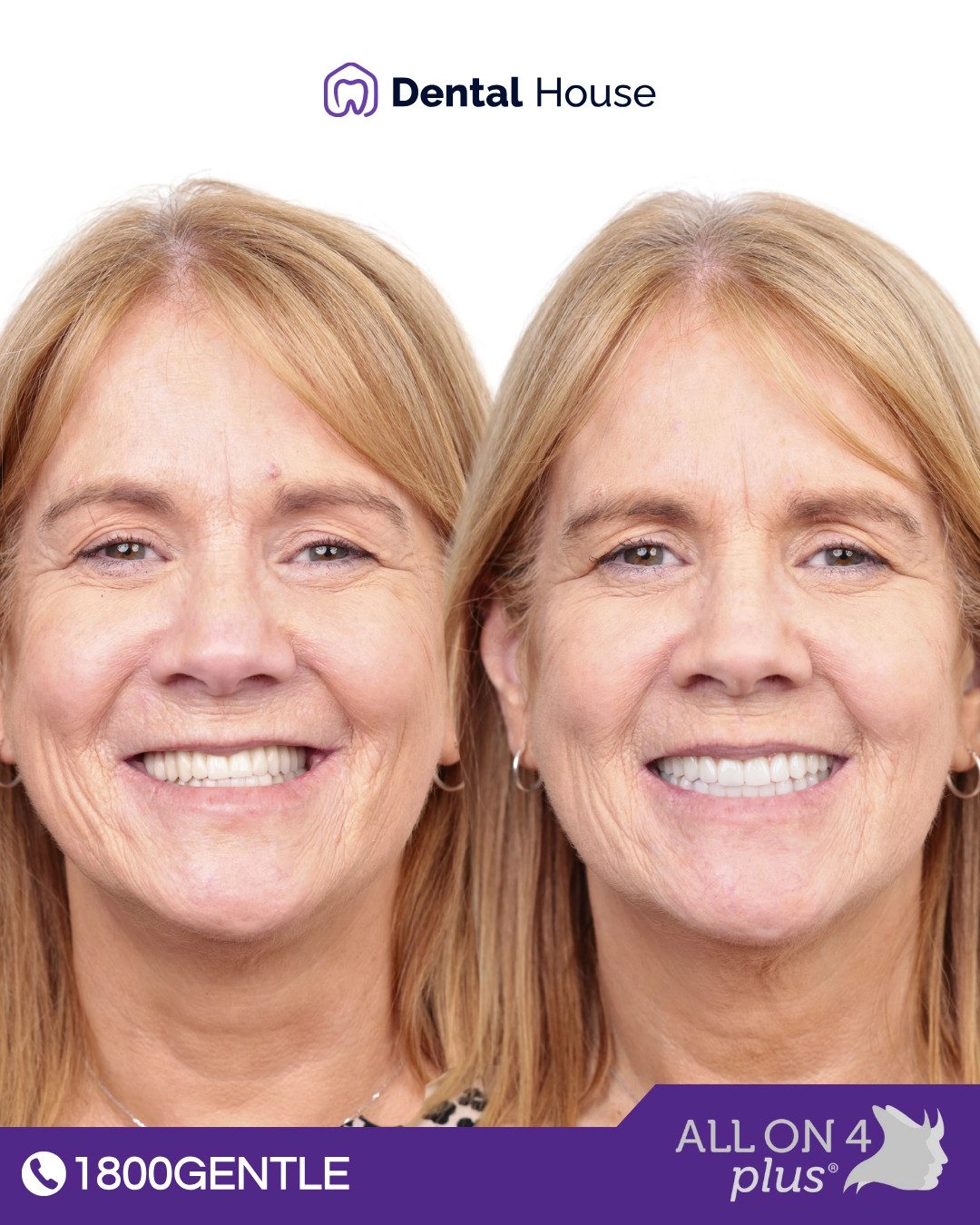
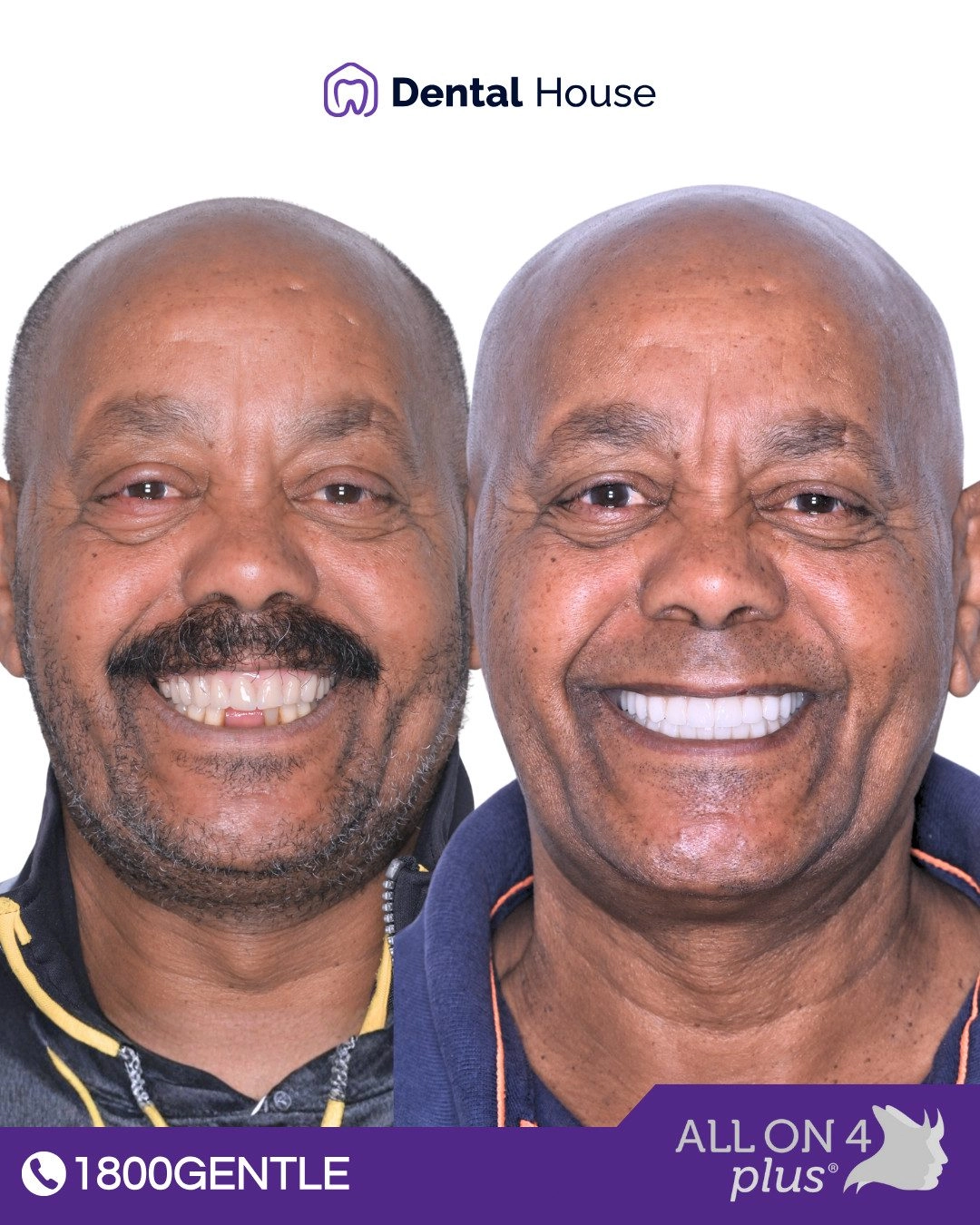
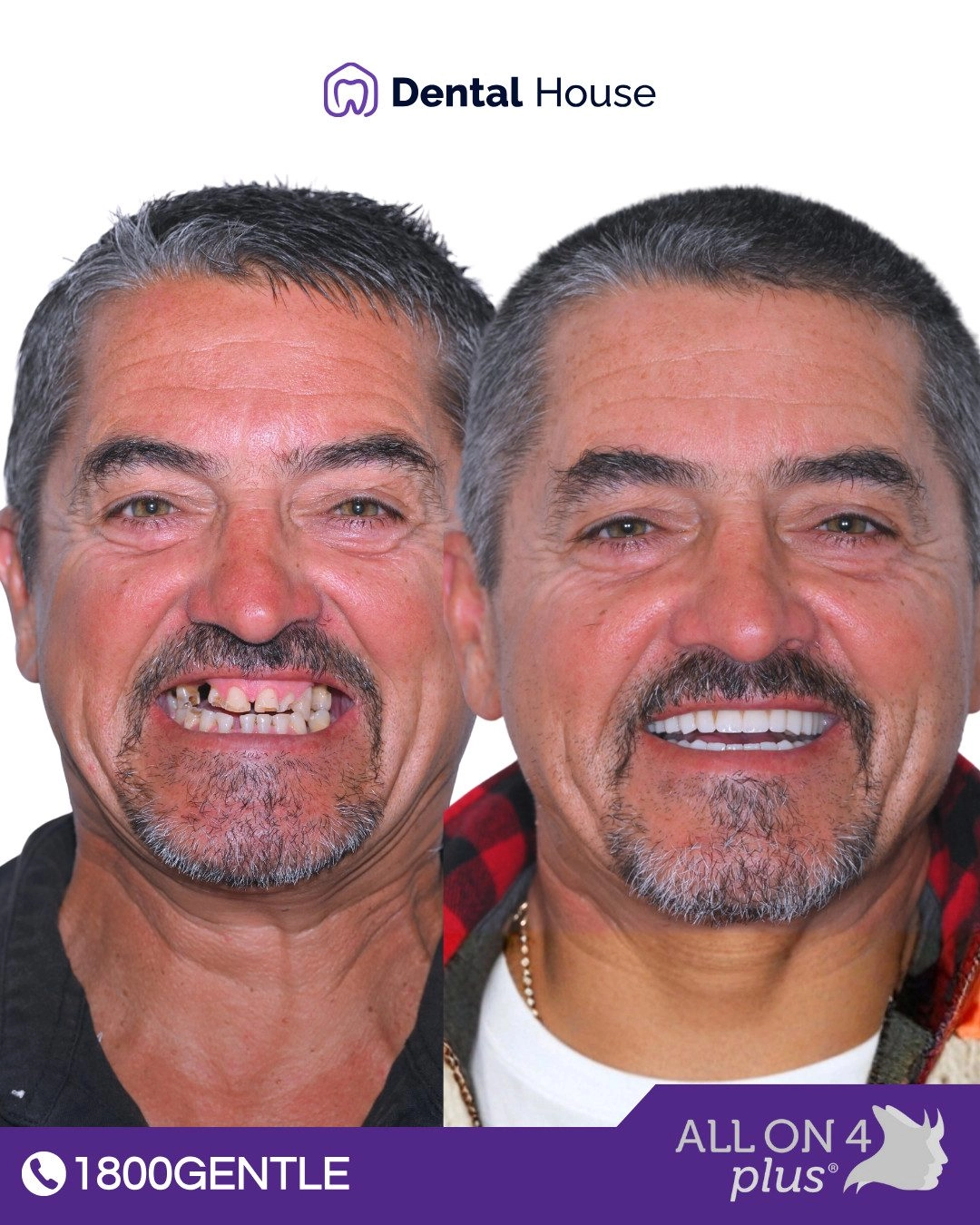
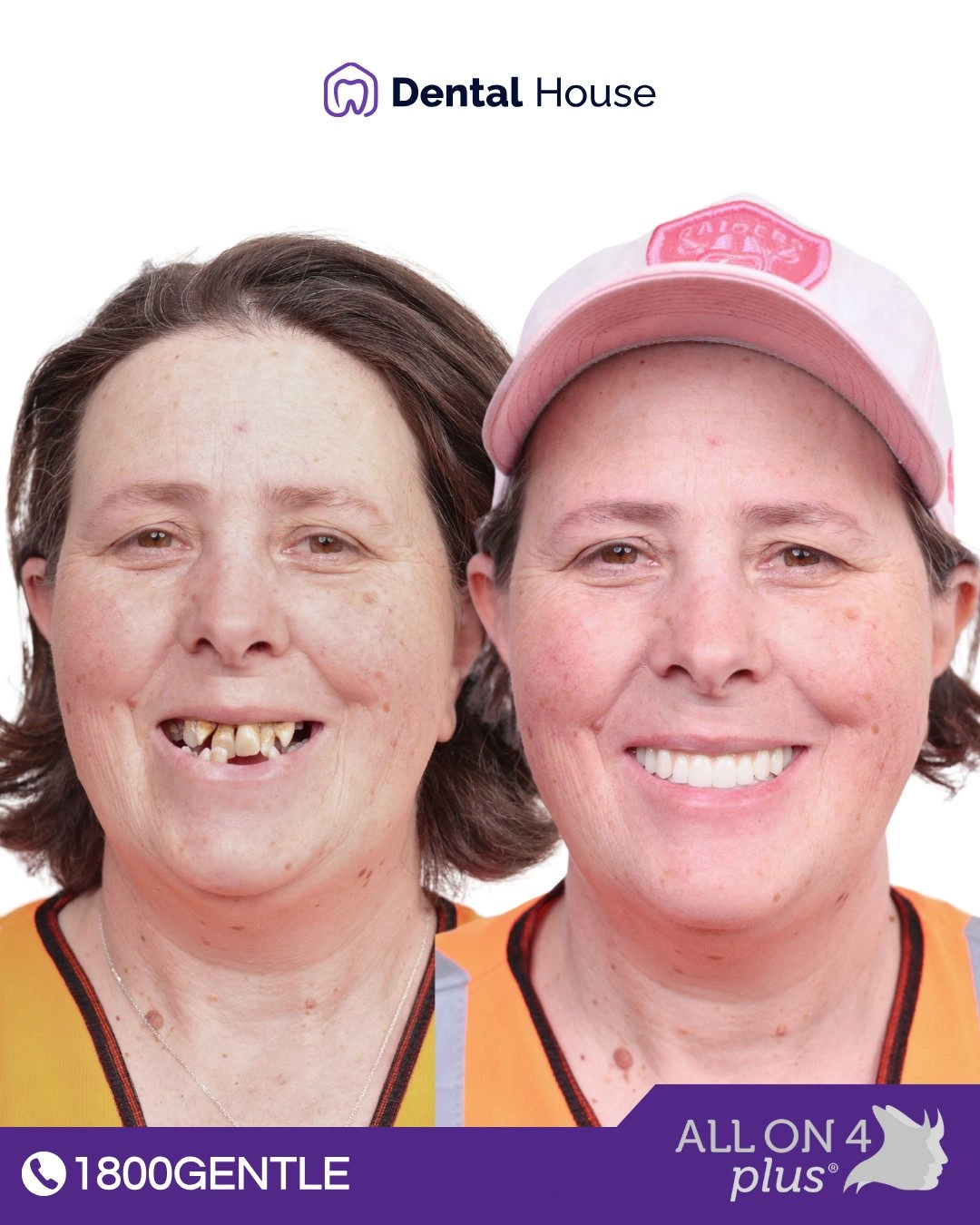
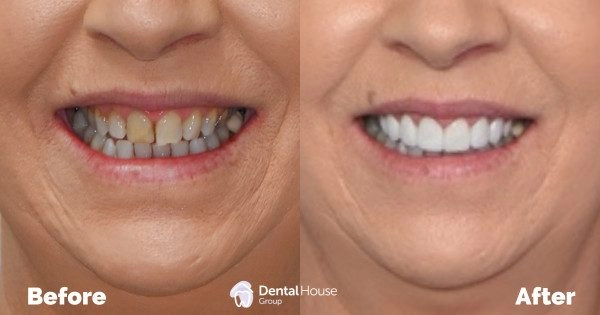
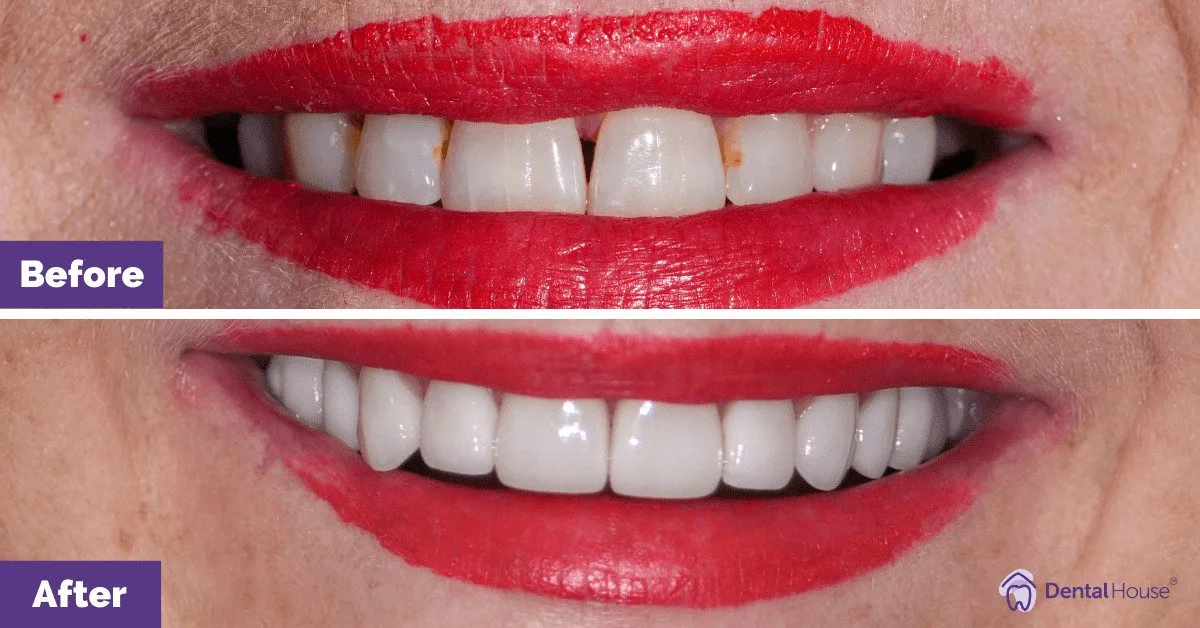
Porcelain veneers successfully created uniform tooth dimensions and improved overall smile appearance. Laboratory fabrication allowed for customised shade selection and characterisation to achieve natural-looking results.
Individual responses to veneer treatment vary significantly. Treatment outcomes cannot be guaranteed. Veneers require irreversible tooth preparation in most cases. Typical longevity ranges from 10-15 years though outcomes vary considerably.