

Can Porcelain Veneers Close Gaps and Maintain Long-Term Aesthetics in Melbourne?
Presenting Clinical Problem
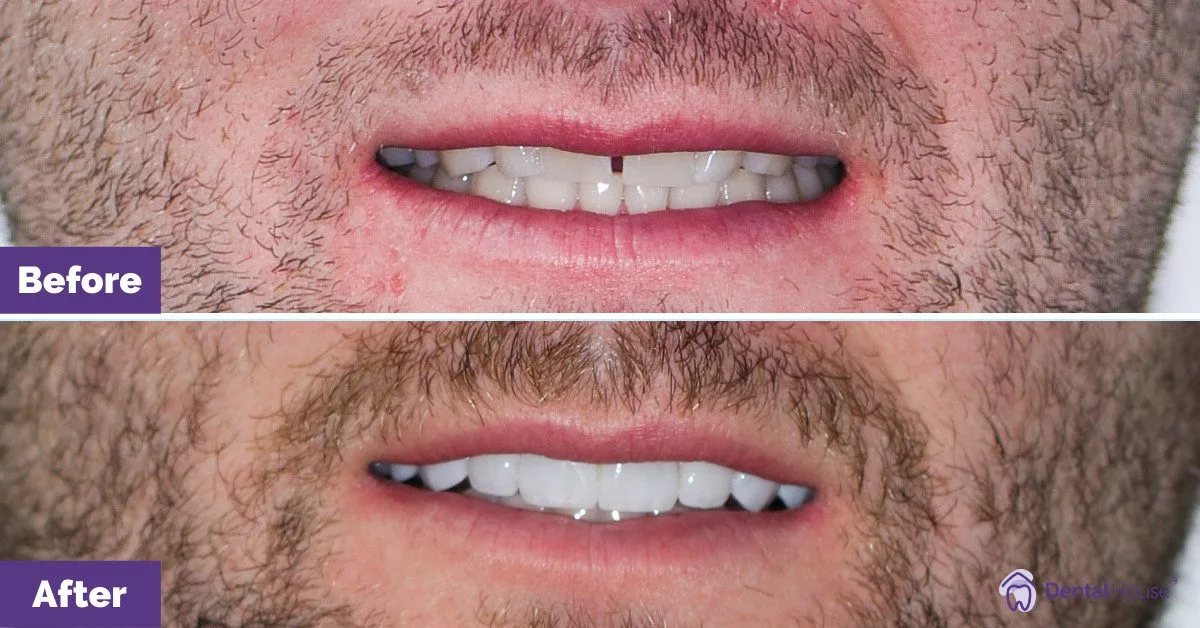
- Multiple spaces between anterior teeth affecting smile appearance
- Generalised tooth discolouration
- Assessment of gap sizes and tooth positions
- Evaluation of veneer approach versus orthodontic space closure
- Primary objective: Close spaces and improve tooth colour using veneers
Treatment Plan & Clinical Process
Phase 1: Assessment and Design Planning
- Comprehensive examination of tooth positions and space distribution
- Evaluation of whether gaps can be closed proportionally with veneers
- Digital smile design to visualise space closure approach
- Discussion of veneer width requirements and aesthetic outcomes
- Shade selection and customisation planning
Phase 2: Veneer Preparation
- Conservative tooth preparation to accommodate porcelain thickness
- Precision impression techniques or digital scanning
- Shade verification under multiple lighting conditions
- Temporary veneers during laboratory fabrication period
- Assessment of temporary aesthetics and function
Phase 3: Veneer Placement and Follow-Up
- Trial fitting to verify shade, shape and gap closure
- Permanent cementation using appropriate resin systems
- Removal of excess cement and margin refinement
- Bite adjustment and post-placement care instructions
- Periodic follow-up appointments to monitor restoration integrity
Clinical Outcome
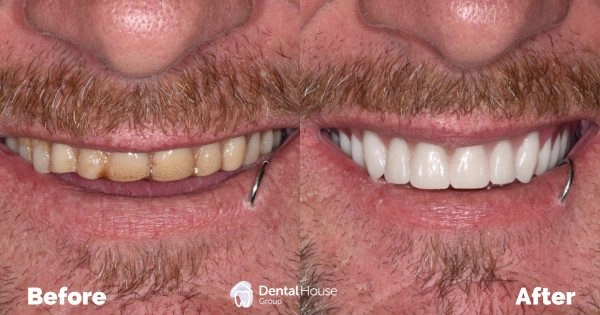
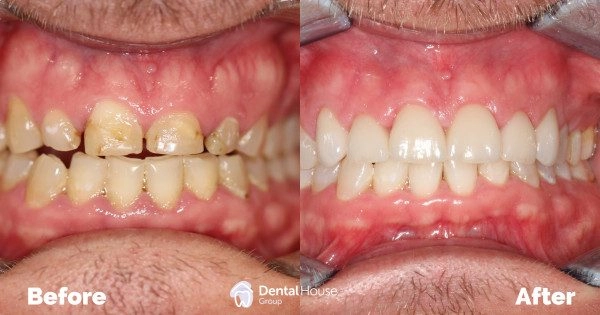
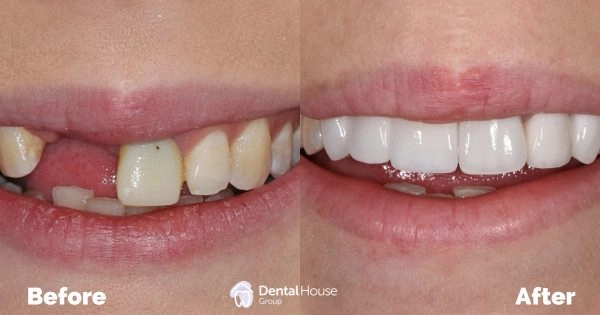
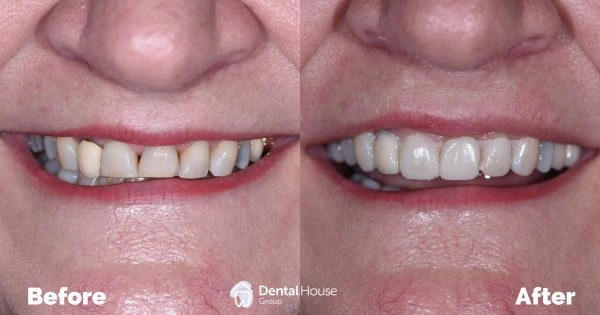
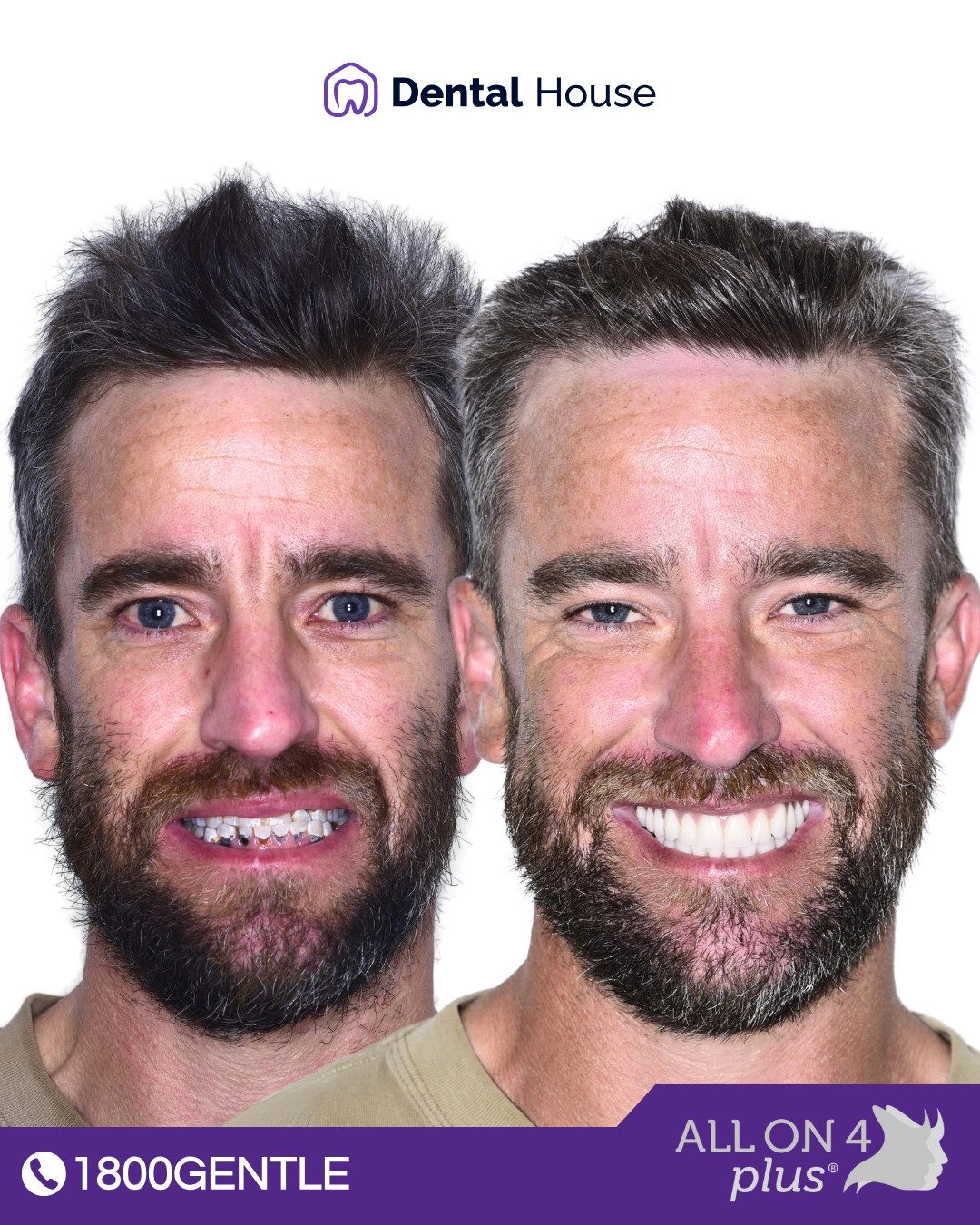
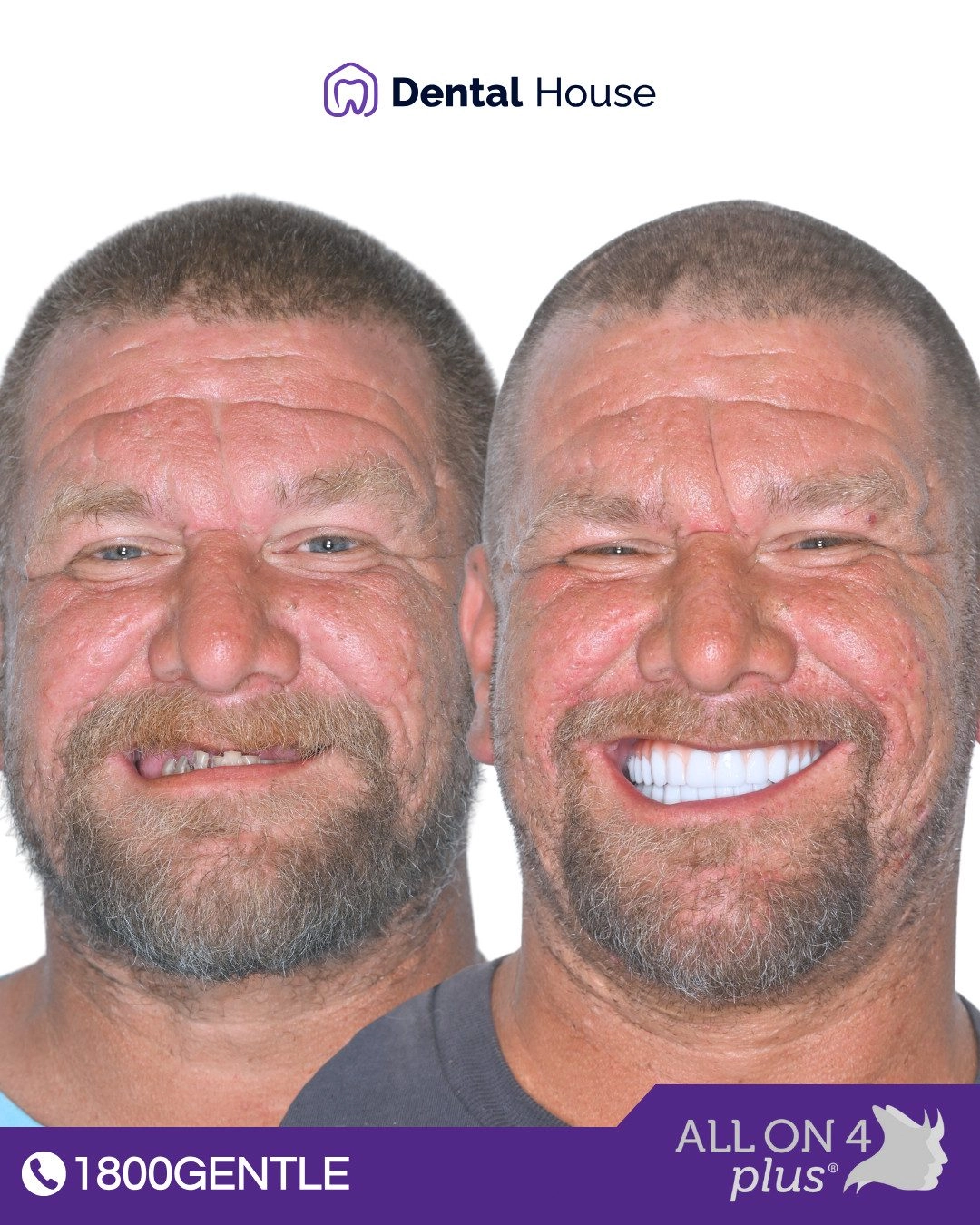
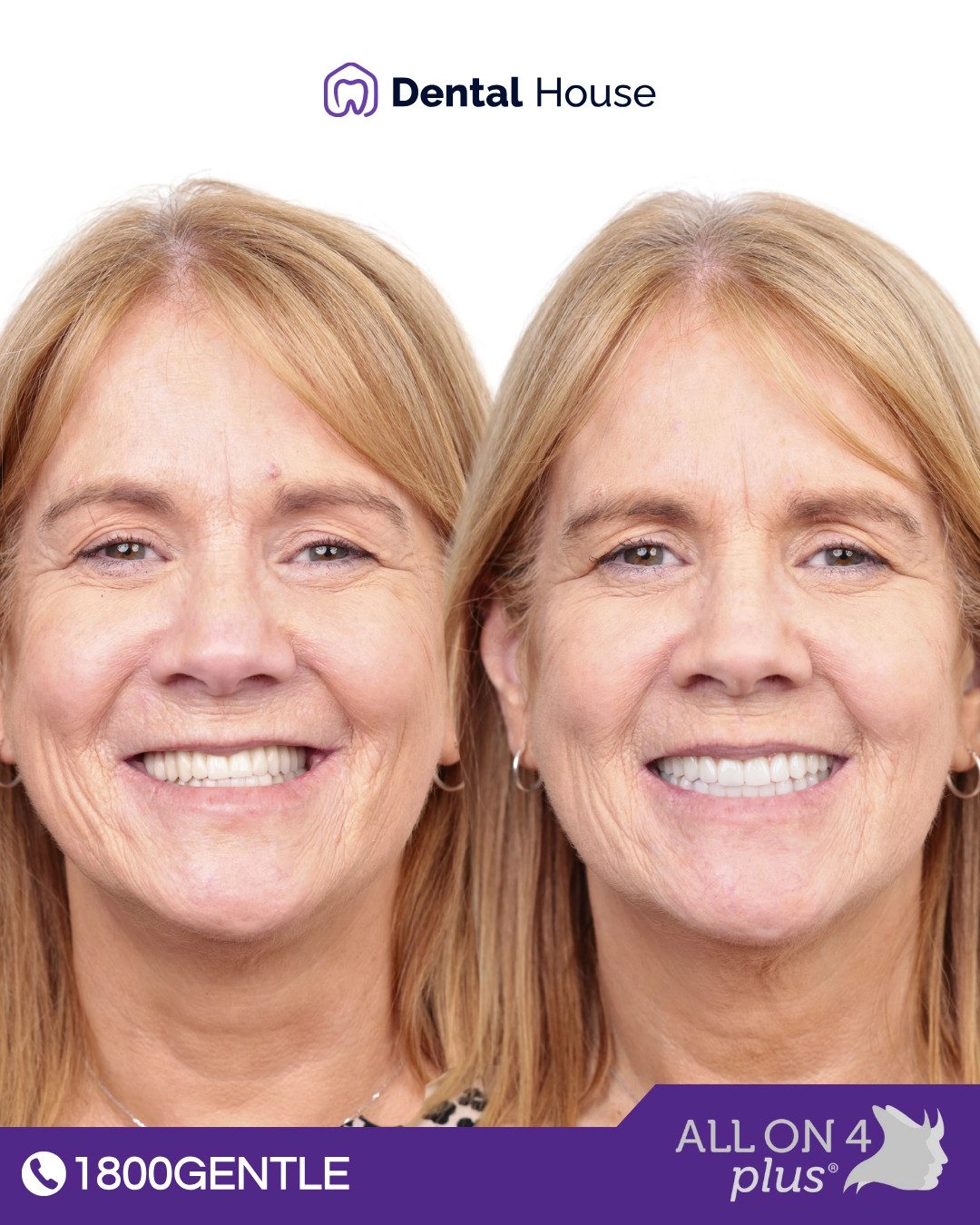
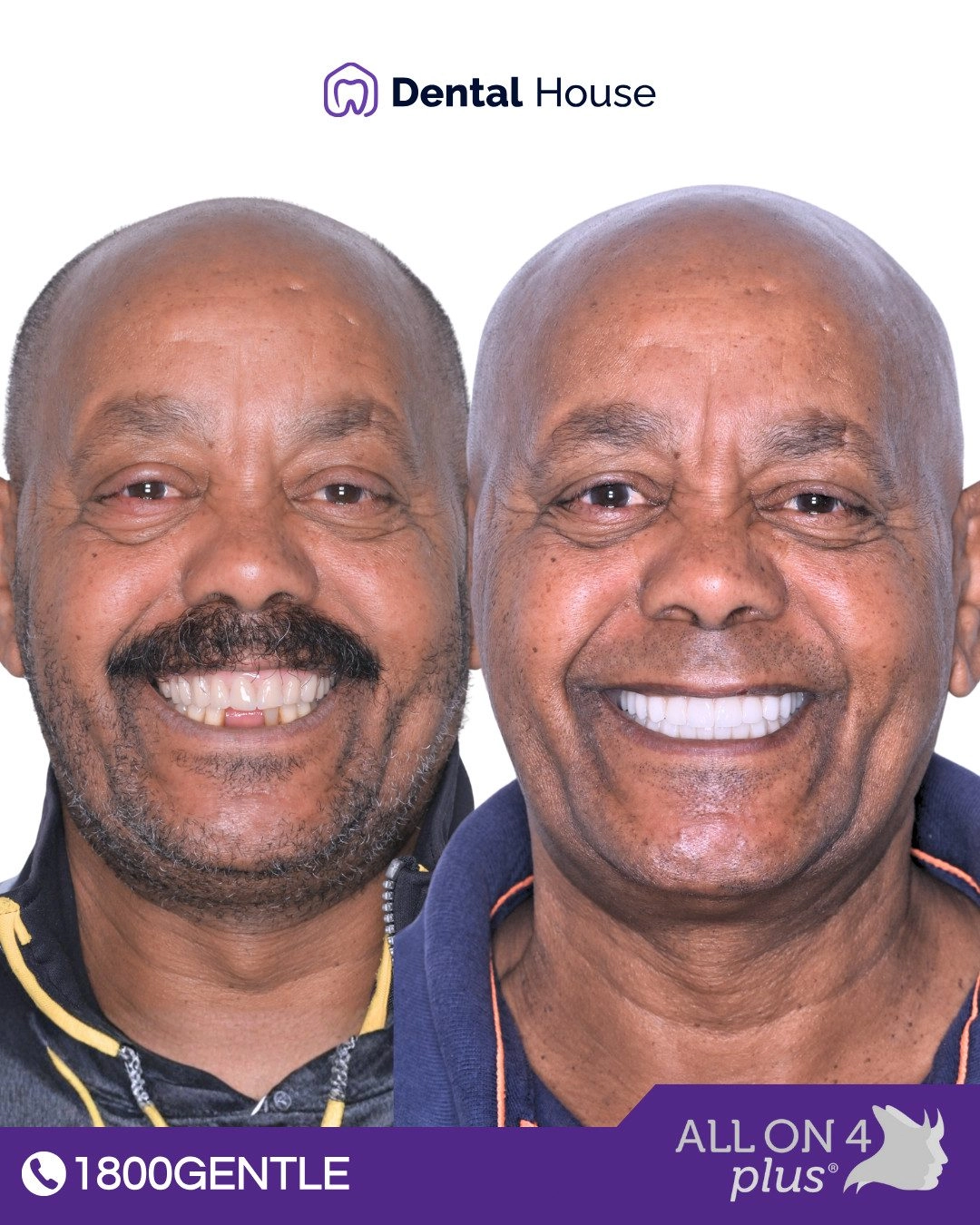
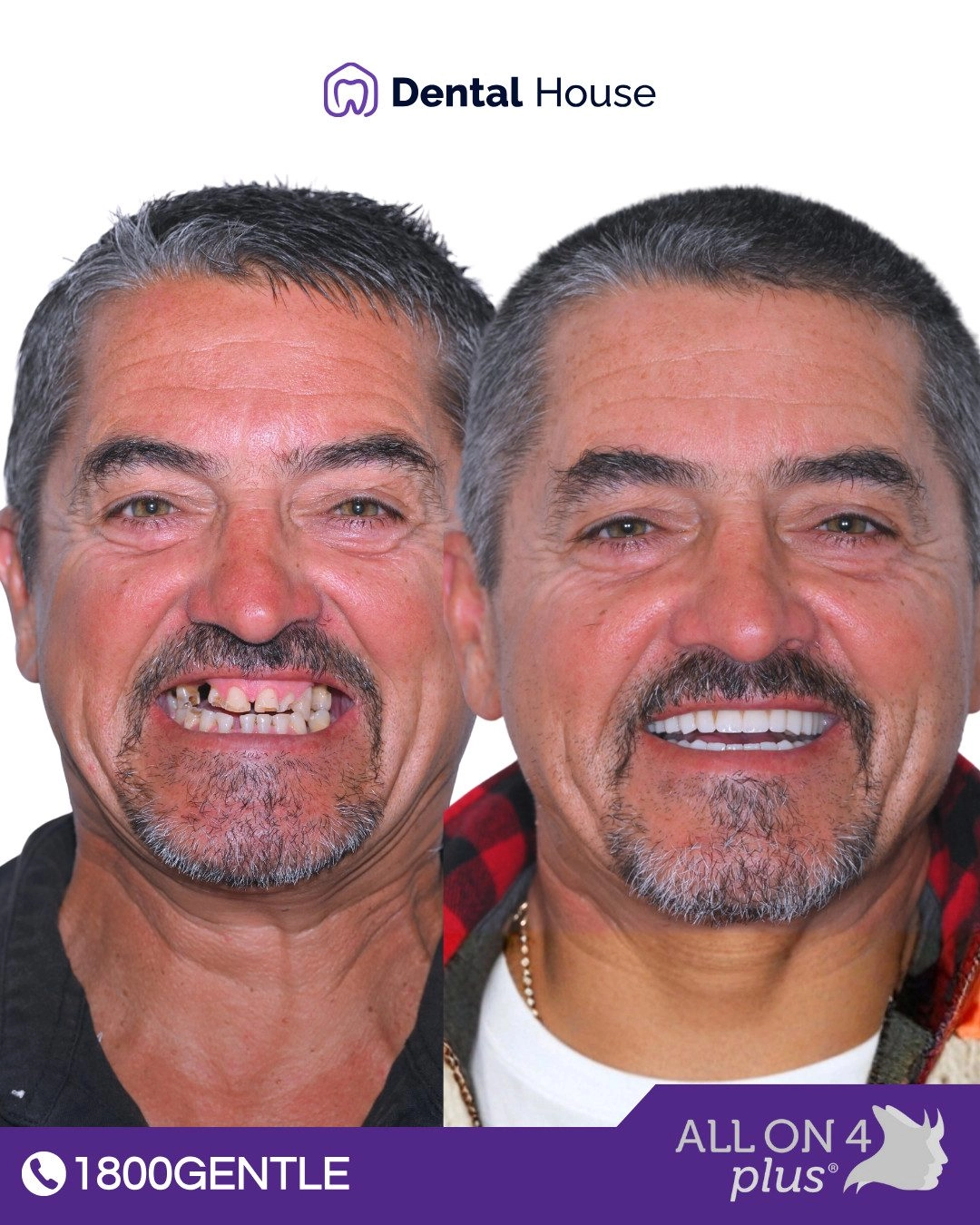
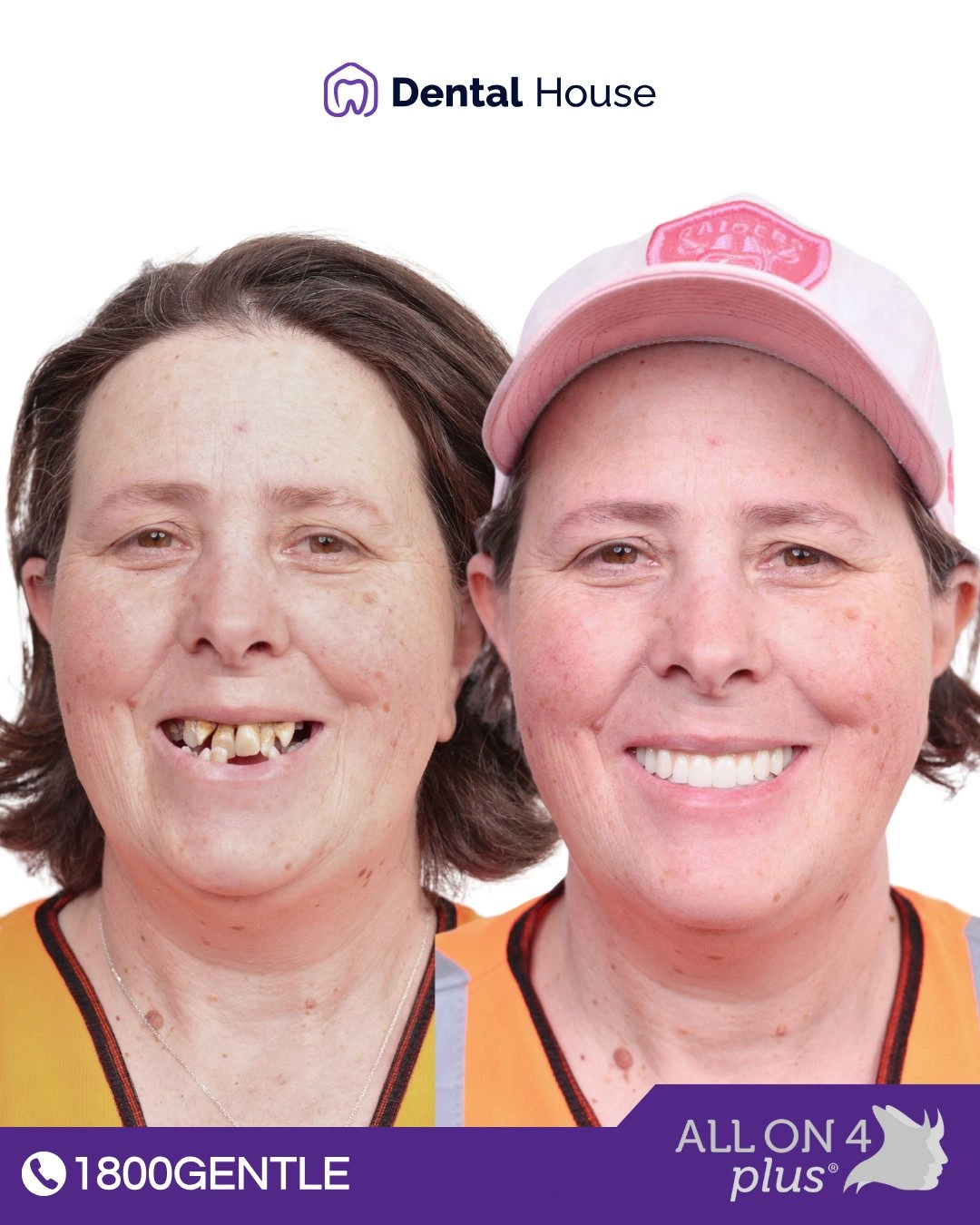
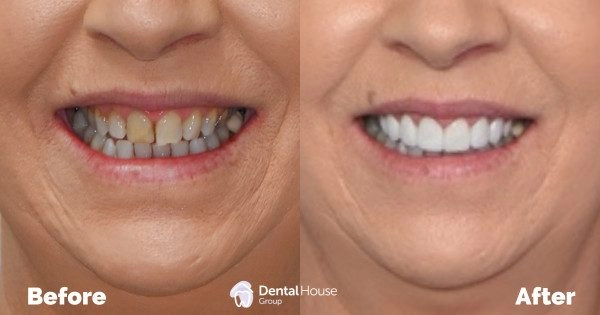
Porcelain veneers successfully closed anterior gaps and improved tooth colour. Long-term follow-up demonstrated maintained aesthetics with proper care and oral hygiene. Porcelain material provided resistance to staining compared to natural tooth structure.
Individual responses to veneer treatment vary significantly. Treatment outcomes cannot be guaranteed. Closing gaps with veneers may result in wider-than-natural tooth proportions depending on space size. Veneers require irreversible tooth preparation and can chip, fracture or debond over time.