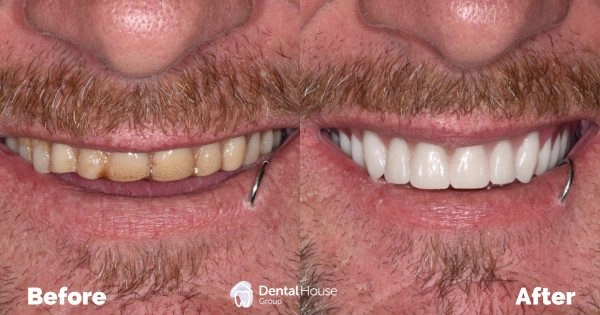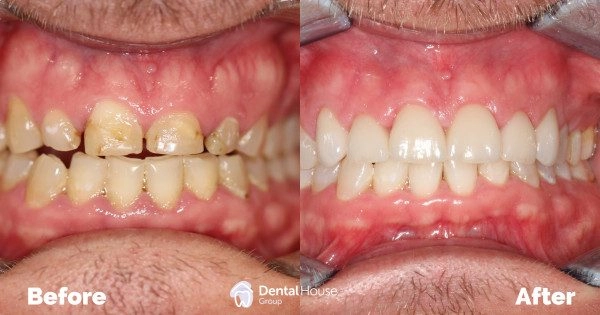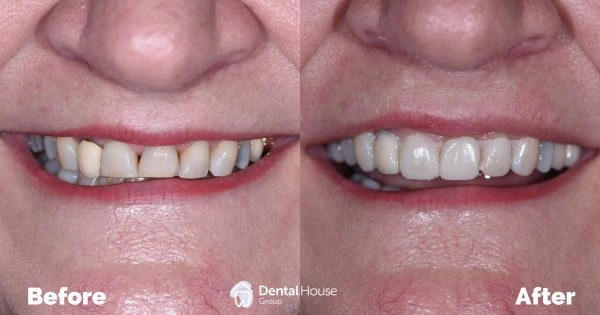

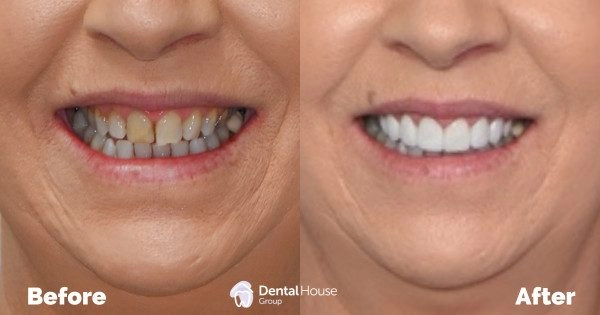

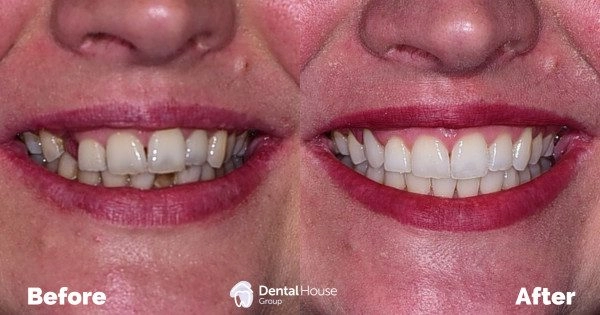
Can sequential orthodontic and surgical treatment restore anterior function in Sunbury?
Presenting Clinical Problem
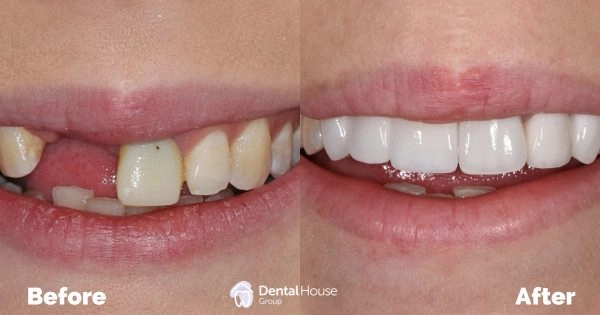
A patient presented with sequential treatment needs including surgical tooth replacement and orthodontic correction requiring careful treatment timing and coordination.
- Surgical Requirements: Missing canine requiring implant placement and tissue management
- Sequential Orthodontics: Crowded dentition requiring systematic alignment correction
- Tissue Considerations: Gingival irregularities requiring surgical tissue management
- Colour Management: Dental discolouration requiring systematic bleaching treatment
The primary clinical objective was to restore anterior function and aesthetics through sequential orthodontic and surgical interventions.
Treatment Plan & Clinical Process
A sequential treatment approach was developed emphasising optimal timing and coordination between orthodontic and surgical phases.
Phase 1: Orthodontic Preparation: Sequential aligner treatment was initiated to create appropriate space and establish optimal tooth positioning for surgical intervention. Treatment progression was monitored using orthodontic monitoring technology.
Phase 2: Surgical Phase: Crown lengthening procedures were performed to optimise tissue architecture. Surgical implant placement was completed following orthodontic space creation with appropriate healing protocols.
Phase 3: Restoration and Enhancement: Implant crown fabrication restored anterior function. Vital bleaching treatment addressed colour irregularities across the natural dentition.
Clinical Outcome
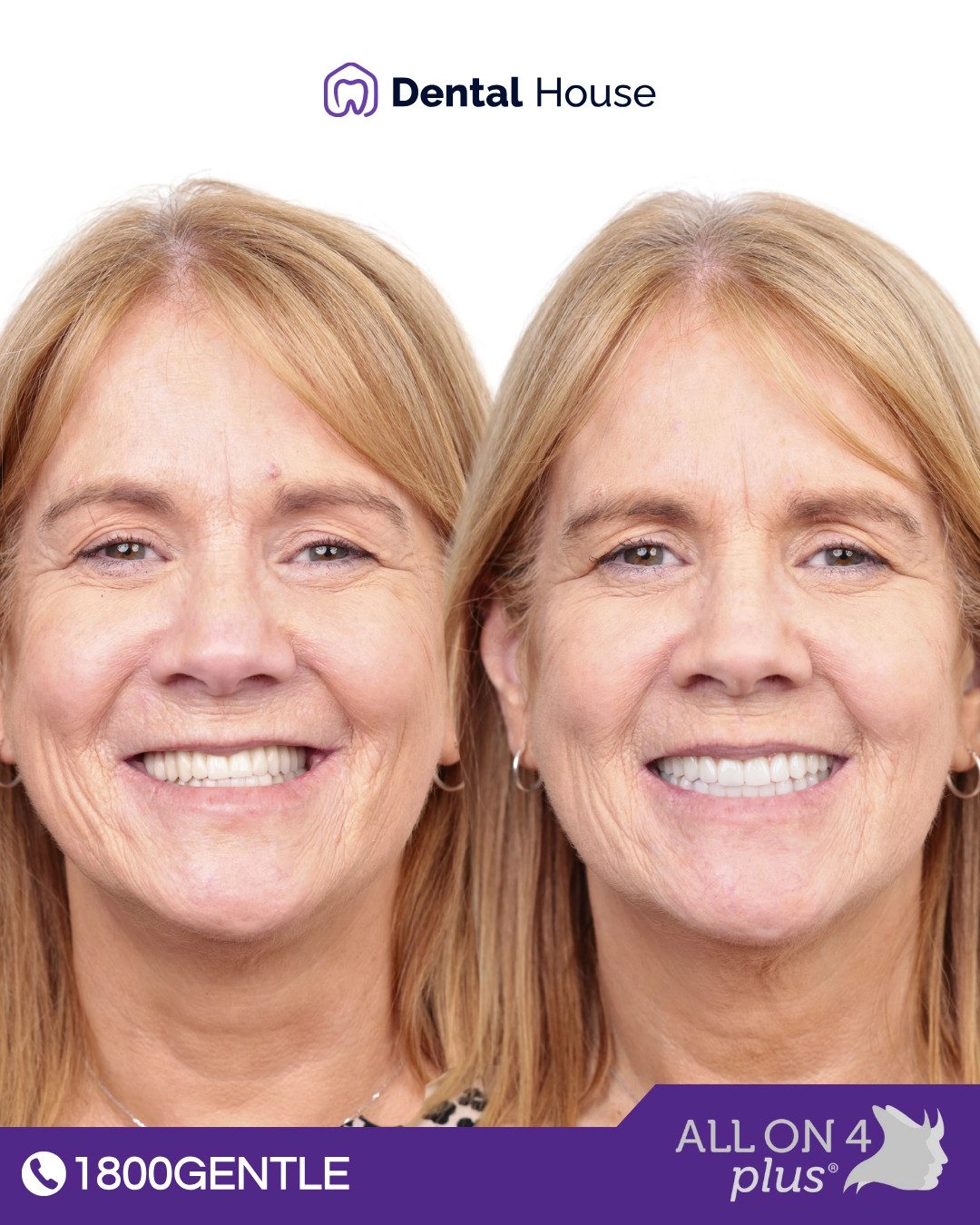
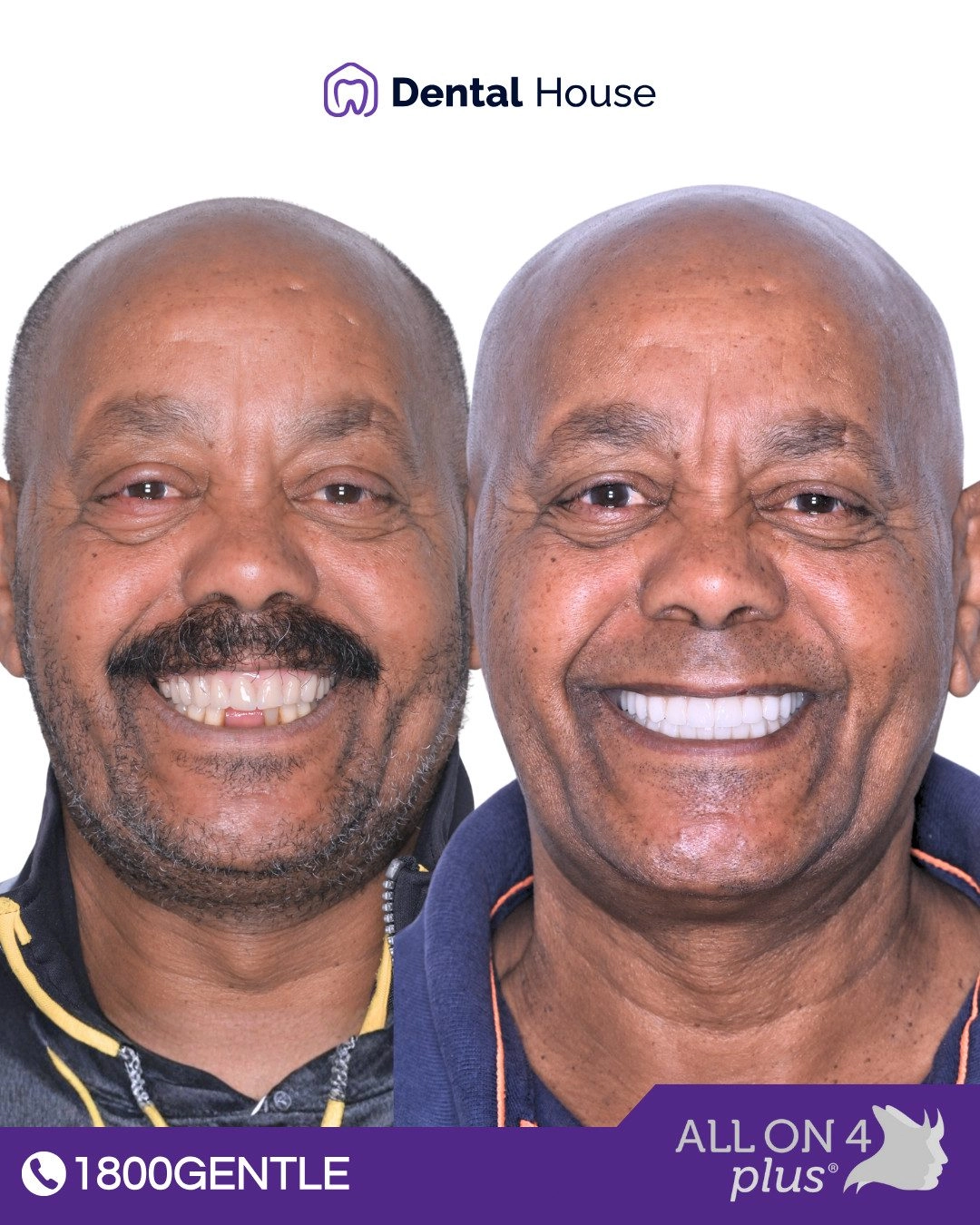
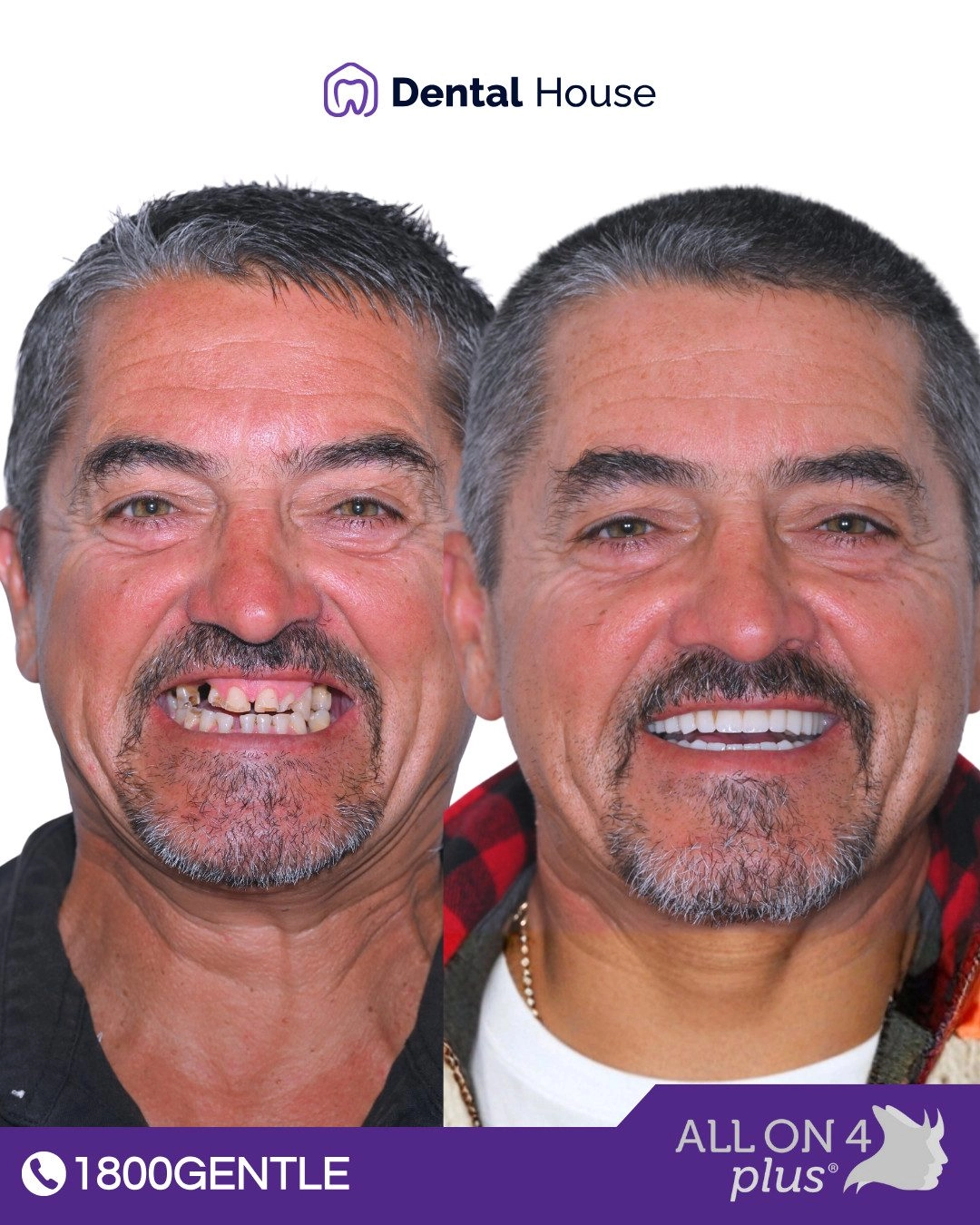
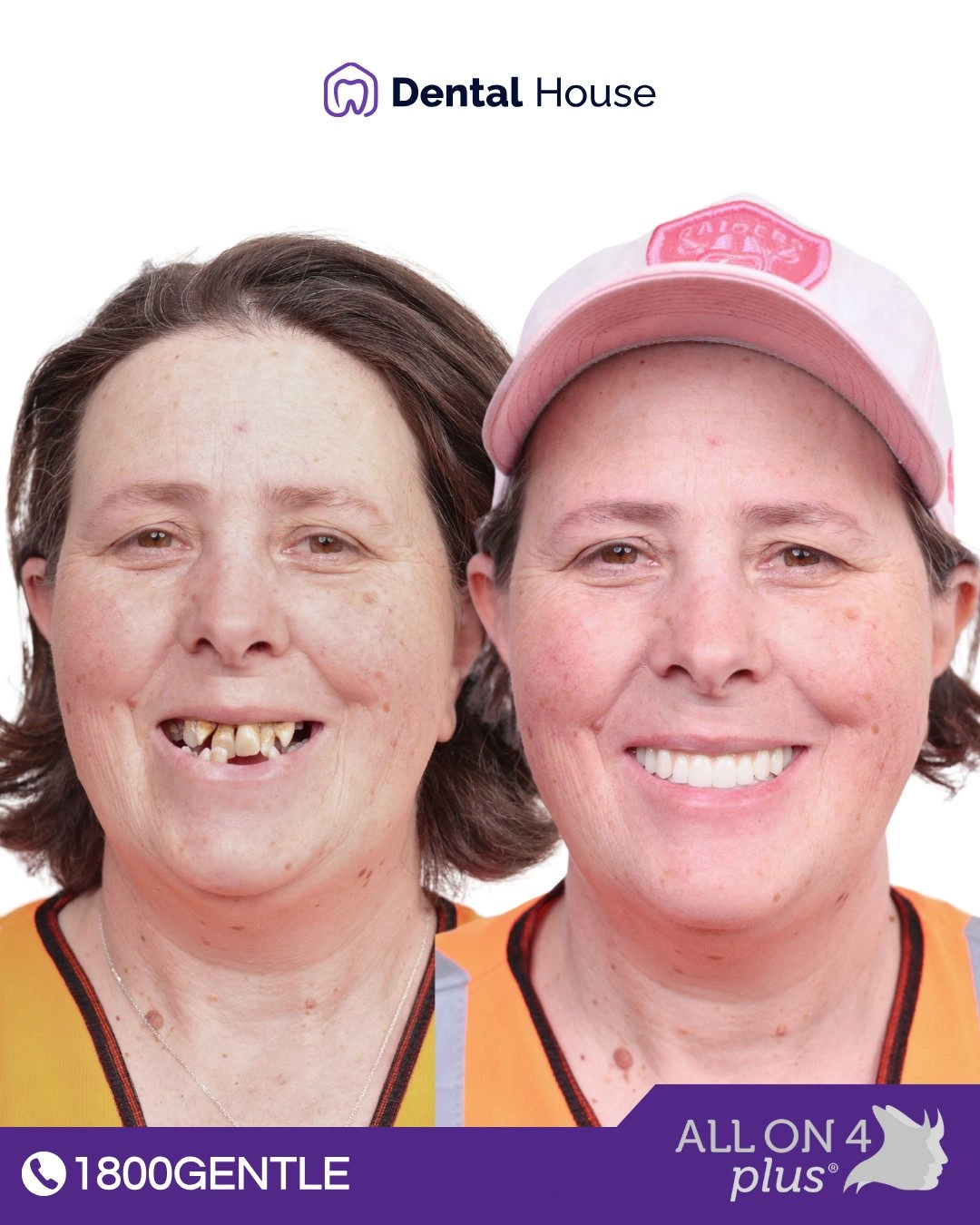
The sequential treatment approach addressed the patient’s functional and aesthetic needs through coordinated orthodontic and surgical interventions. Sequential aligner treatment improved tooth positioning, whilst surgical implant placement restored the missing tooth. Tissue management procedures enhanced gingival architecture, and vital bleaching improved colour harmony.
Individual responses to sequential treatment vary significantly and depend on multiple factors including surgical healing, orthodontic compliance, and ongoing maintenance. Sequential treatment approaches require extended timeframes and may involve complications affecting treatment progression. Treatment outcomes cannot be predicted, and individual results differ considerably between patients.
Frequently Asked Questions for Sunbury Patients
What are the advantages of sequential treatment approaches?
Sequential treatment allows for optimal timing between orthodontic and surgical phases, though treatment success depends primarily on individual healing responses and case complexity rather than treatment sequencing alone.
How does surgical planning technology benefit implant treatment?
Surgical planning technology assists with implant positioning assessment, though treatment success depends primarily on individual factors including bone quality, healing capacity, and surgical execution rather than planning technology.
What is the typical recovery timeline for sequential orthodontic and surgical treatment?
Recovery timelines vary significantly between individuals and depend on treatment complexity, healing responses, and individual factors. Sequential treatment often requires extended overall treatment periods with multiple healing phases.