

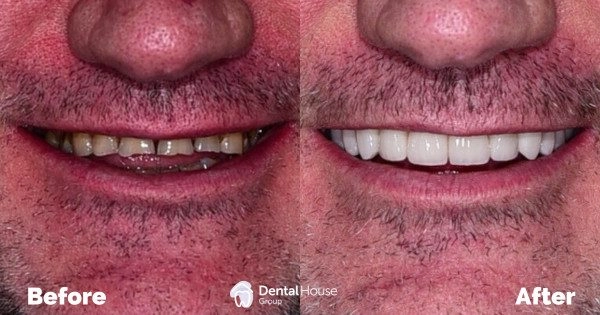
Can staged reconstructive therapy restore compromised dental function in Sunbury?
Presenting Clinical Problem
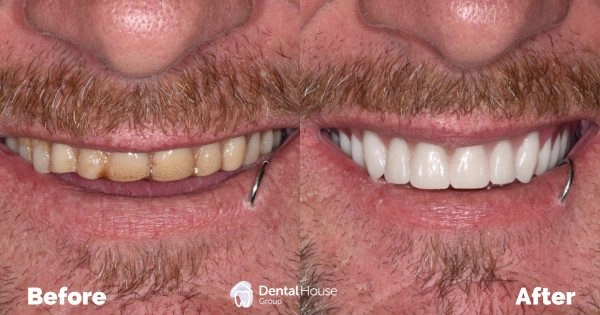
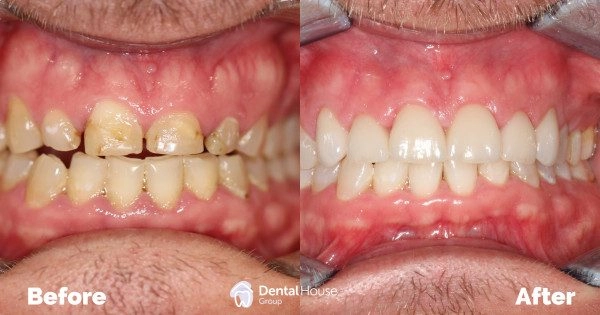
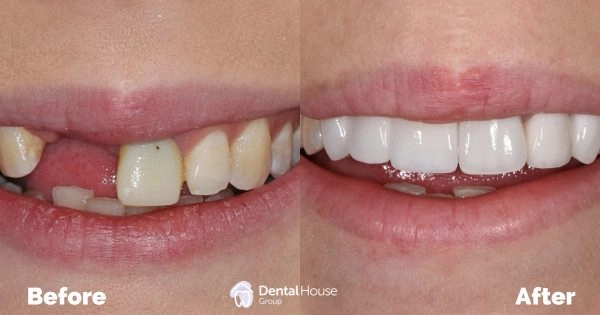
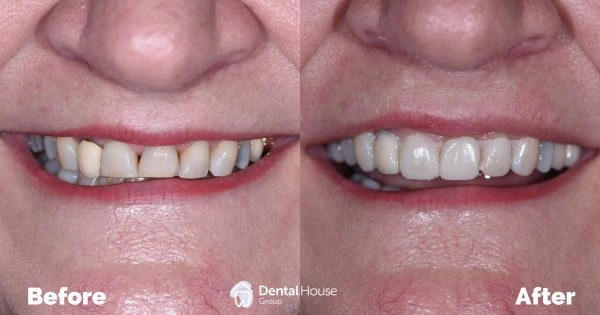
A patient presented with compromised dental function requiring staged reconstructive therapy to systematically restore oral health and function.
- Functional Compromise: Significant reduction in chewing ability affecting nutrition and quality of life
- Progressive Tooth Loss Risk: Multiple teeth at risk requiring intervention to prevent extraction
- Endodontic Pathology: Several teeth with pulpal involvement requiring root canal treatment
- Staged Treatment Requirements: Complex case requiring systematic treatment phases for optimal outcomes
The primary clinical objective was to restore compromised function and prevent further tooth loss through staged reconstructive intervention.
Treatment Plan & Clinical Process
A staged reconstructive approach was developed emphasising systematic treatment phases and functional restoration priorities.
Phase 1: Functional Assessment: Staged treatment planning enabled systematic evaluation of functional requirements and treatment priorities. Functional analysis systems assessed chewing capacity and restoration needs.
Phase 2: Foundation Phase: Endodontic treatment was completed on compromised teeth to establish stable foundations for reconstruction. Staged treatment sequencing prioritised function preservation and infection control.
Phase 3: Reconstructive Implementation: Ceramic restorations were placed in systematic stages to restore function whilst allowing for healing and adaptation between phases. Treatment progression was monitored throughout the reconstructive process.
Clinical Outcome
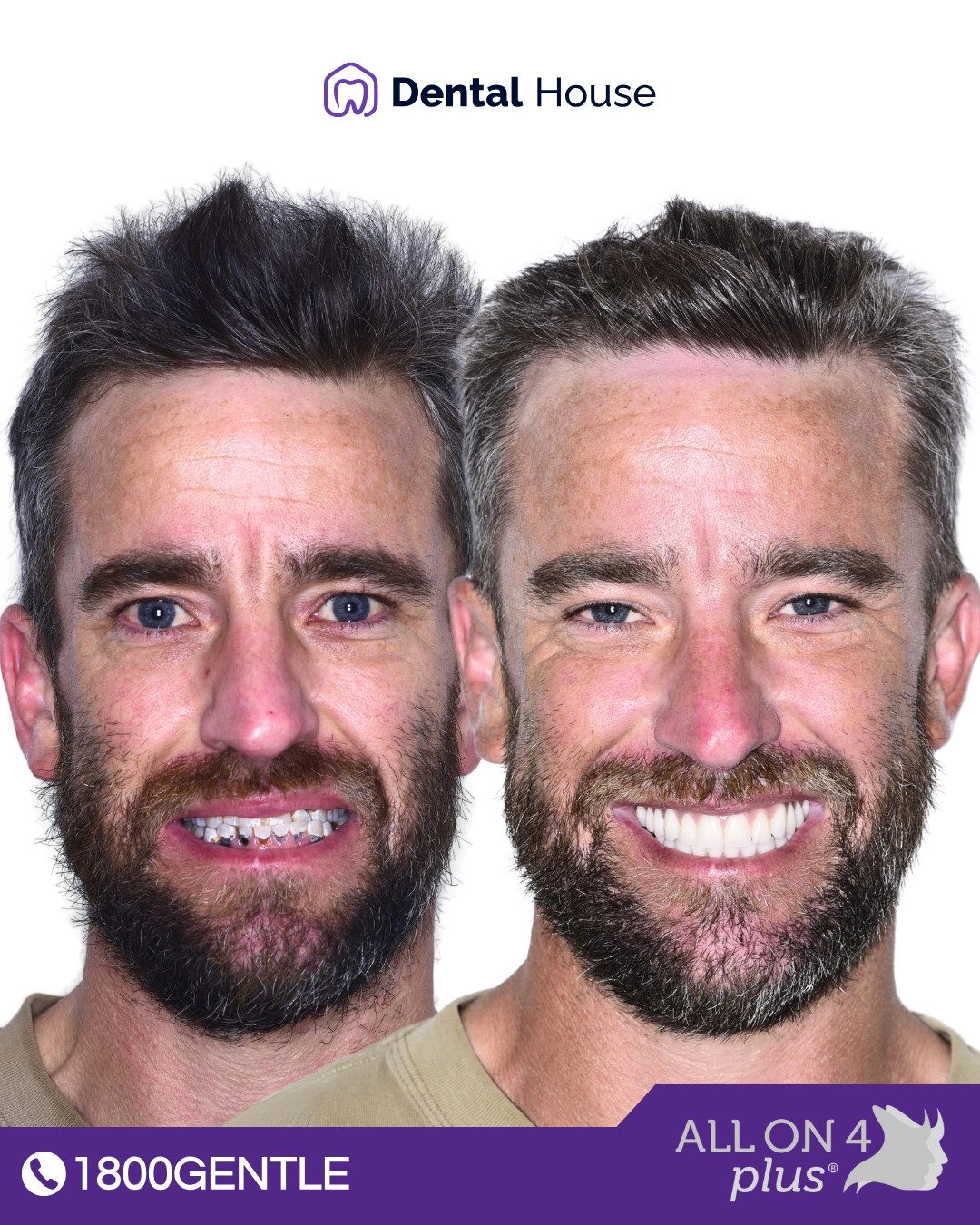
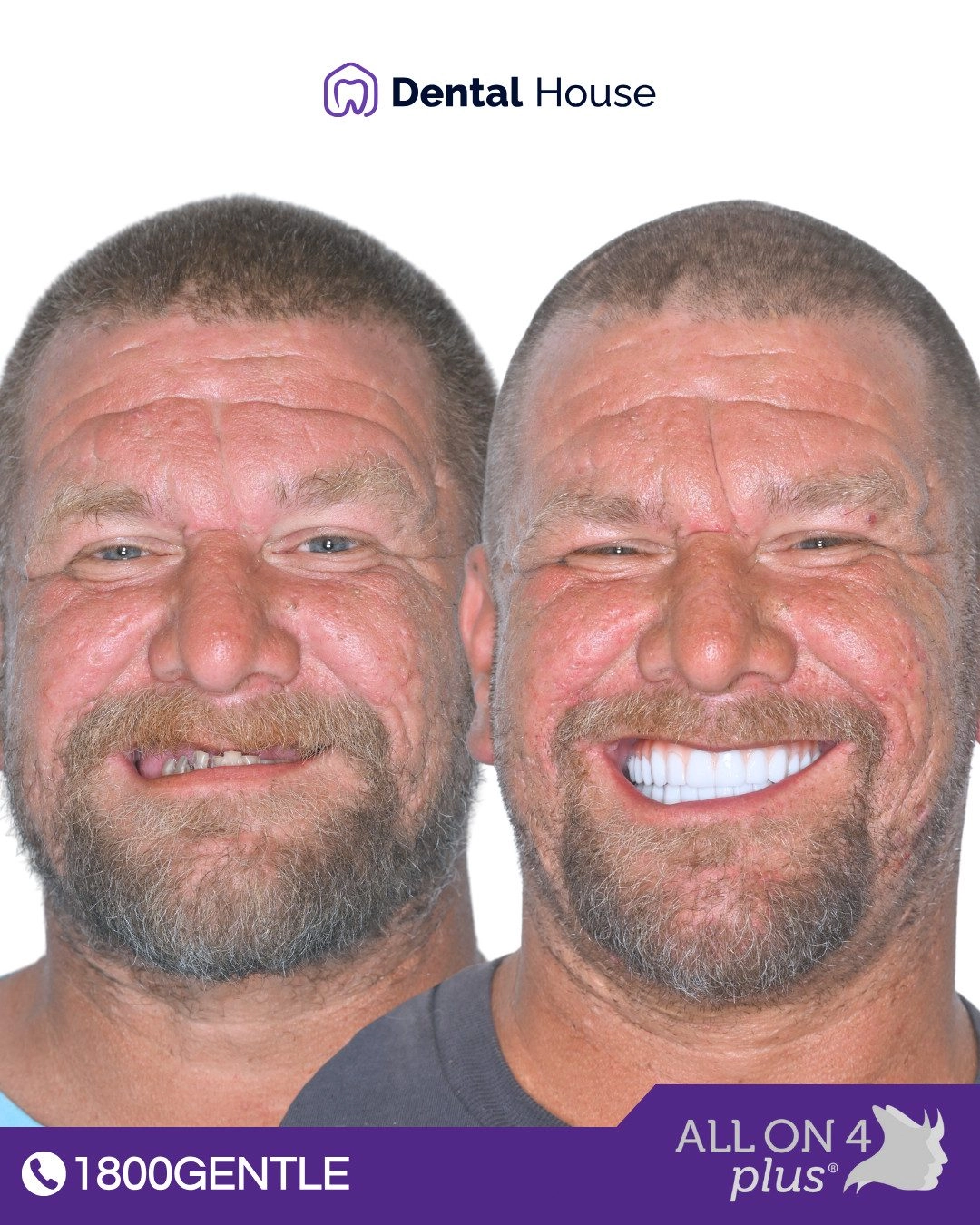
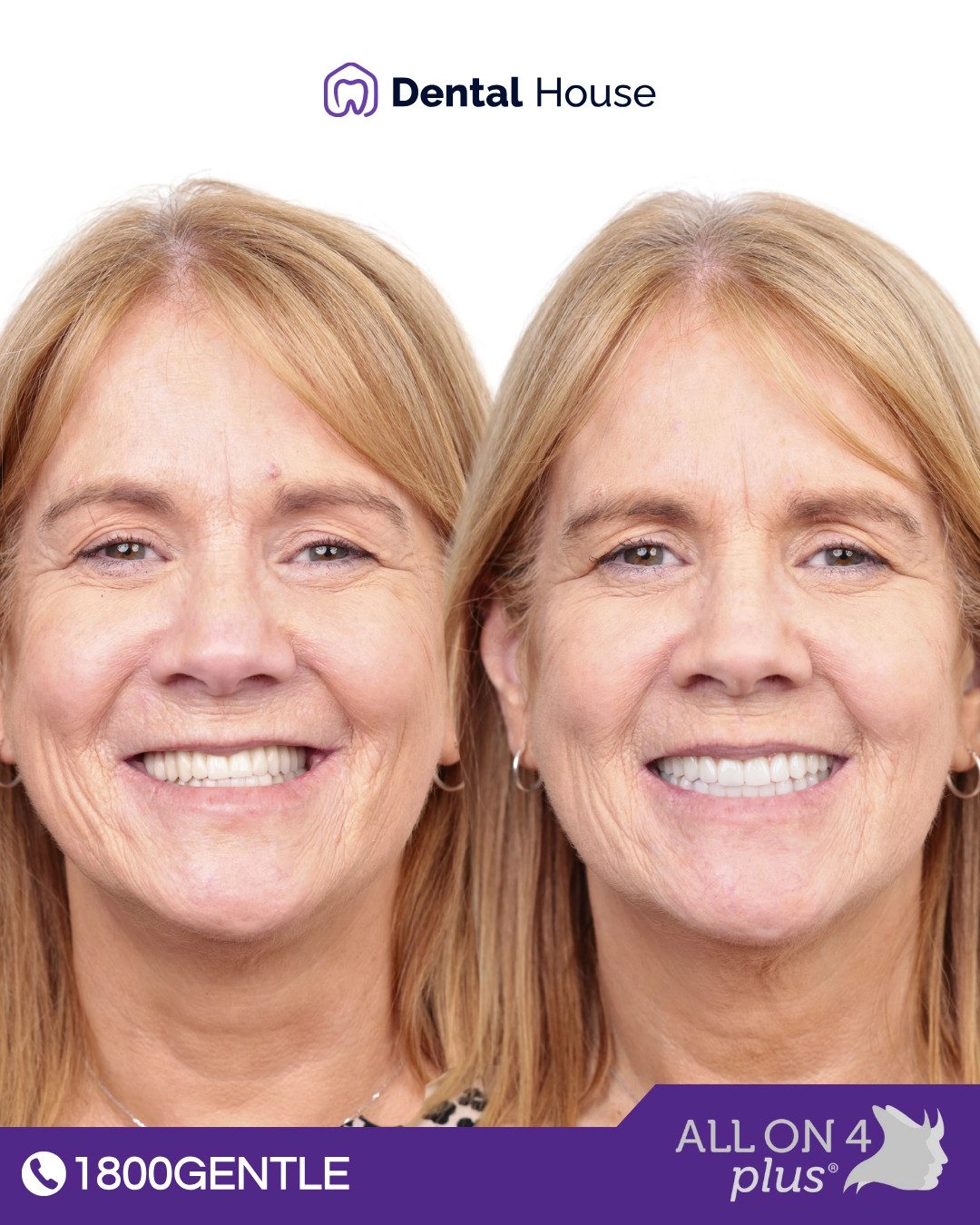
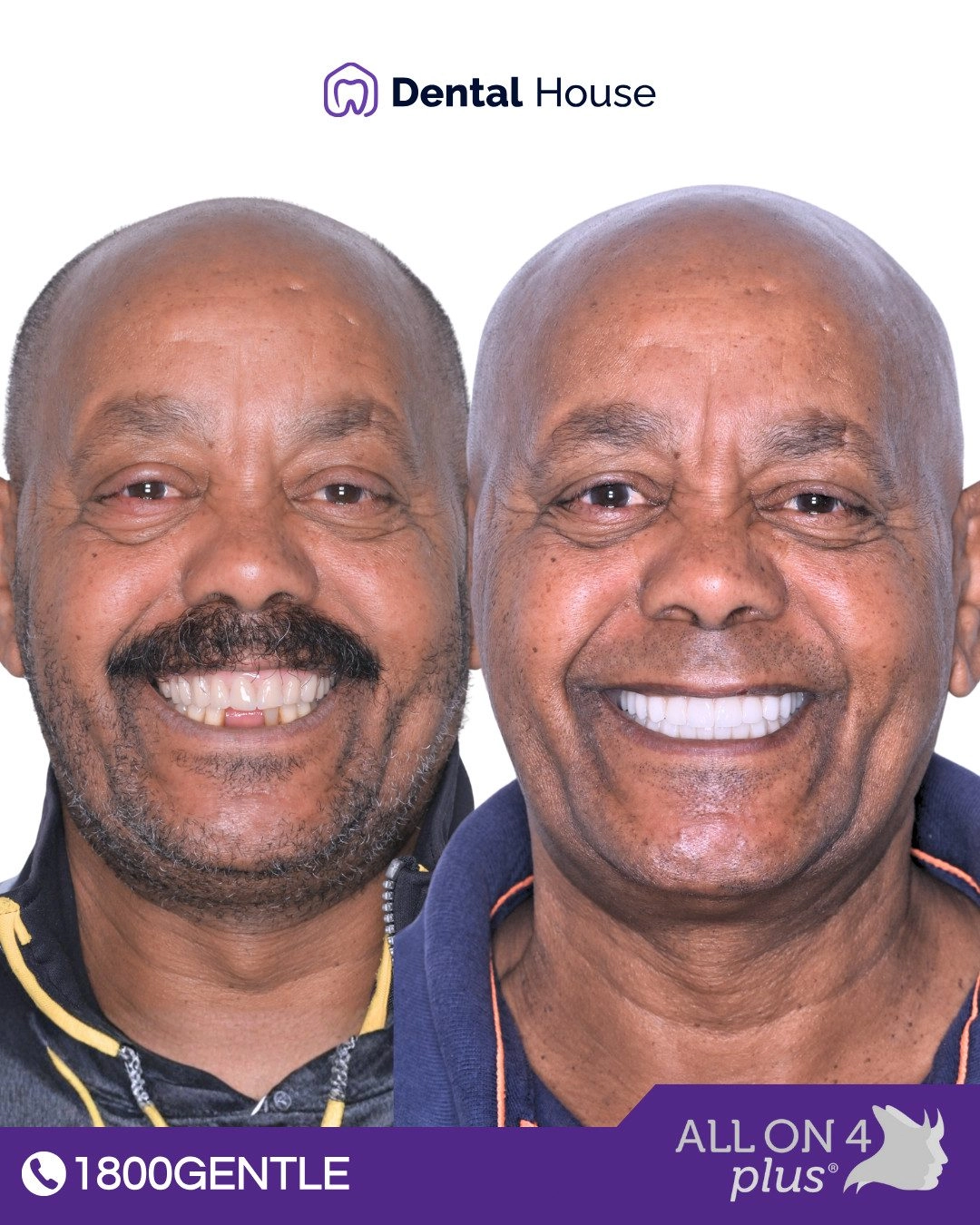
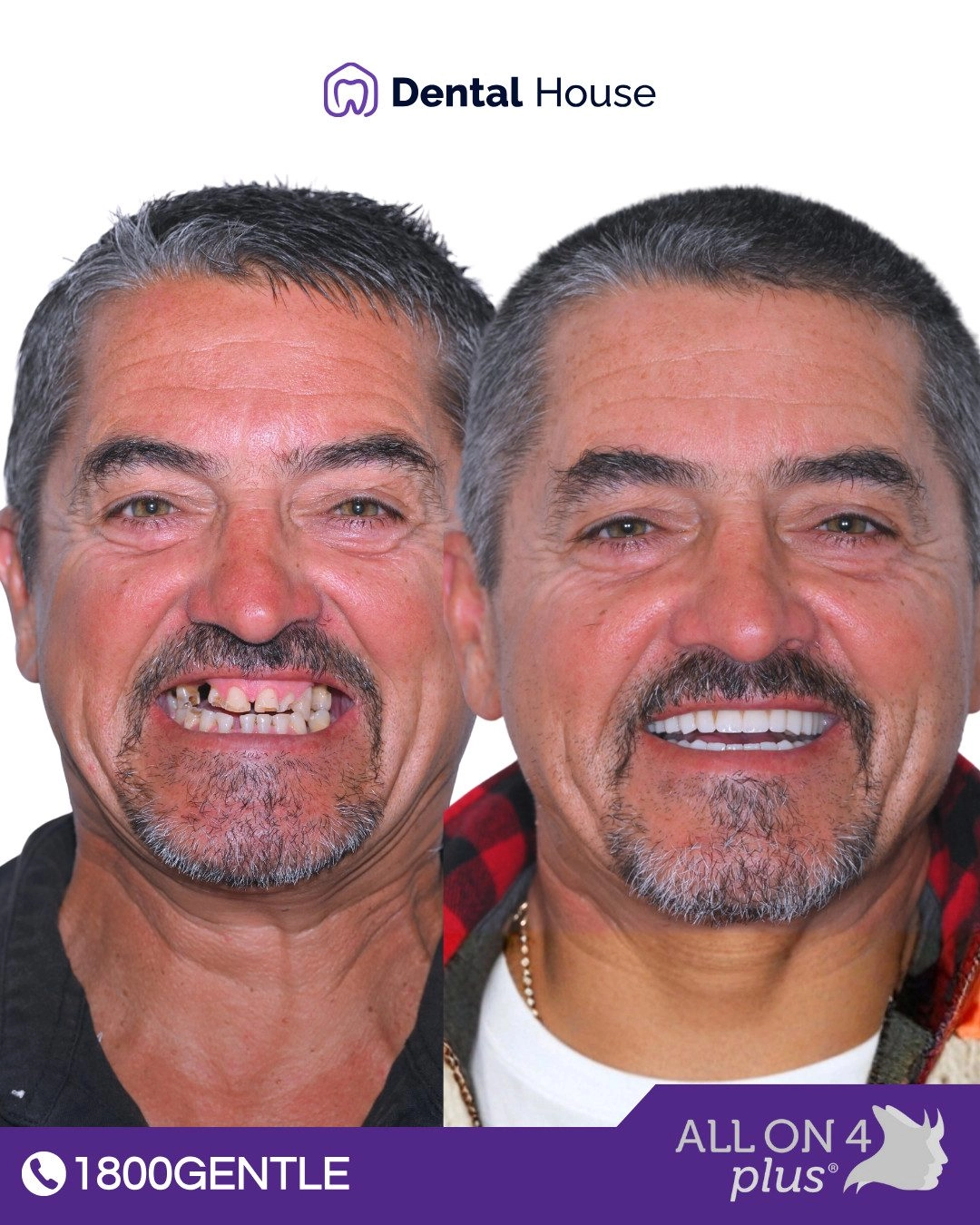
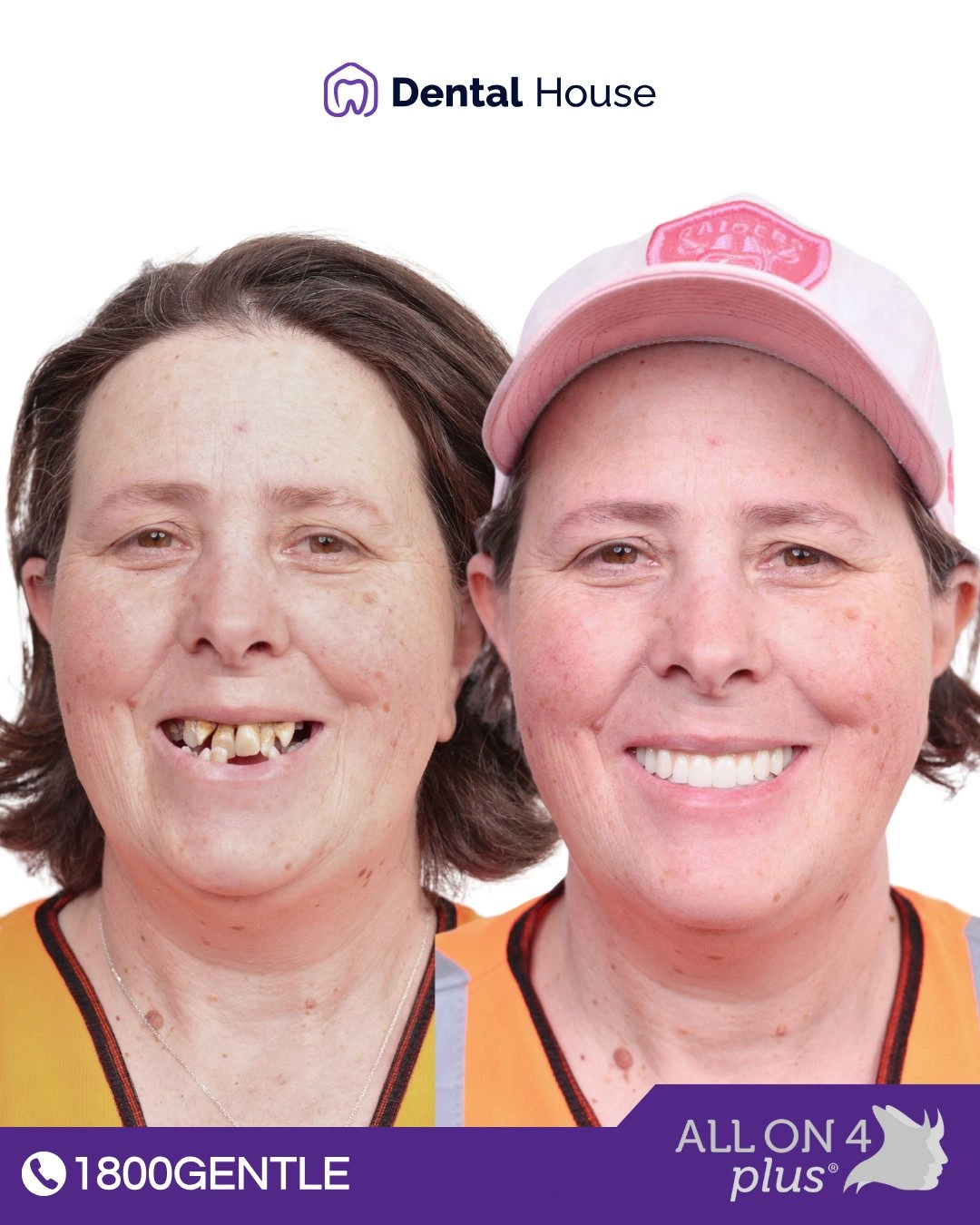
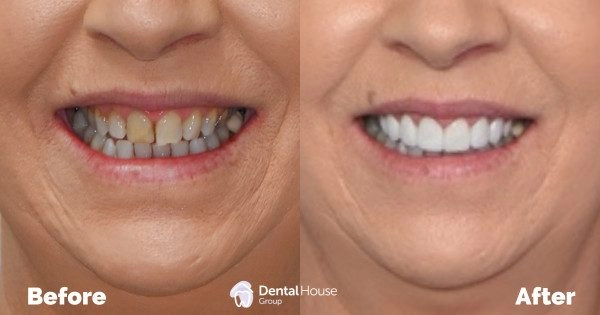
The staged reconstructive approach addressed the patient’s functional compromise through systematic dental intervention. Reconstructive therapy restored chewing capability, whilst endodontic treatment addressed infection and tooth preservation needs. Staged treatment planning enabled systematic progression and healing monitoring.
Individual responses to staged reconstruction vary considerably and depend on multiple factors including healing capacity between stages, adaptation to functional changes, and compliance with treatment protocols. Staged approaches require extended treatment periods and may involve complications affecting progression. Treatment outcomes cannot be predicted, and individual results vary significantly between patients.
Frequently Asked Questions for Sunbury Patients
What are the advantages of staged reconstructive therapy?
Staged approaches allow for healing and adaptation between treatment phases, though treatment success depends primarily on individual healing responses and case complexity rather than staging methodology alone.
How does functional analysis benefit reconstructive treatment planning?
Functional analysis assists with assessment of chewing requirements and restoration priorities, though treatment outcomes depend primarily on individual factors including healing capacity and adaptation rather than analysis technology.
What is the typical timeline for staged reconstructive therapy?
Staged treatment timelines vary significantly based on case complexity, number of stages required, and individual healing responses. Reconstructive therapy typically requires several months with multiple treatment and healing phases.