
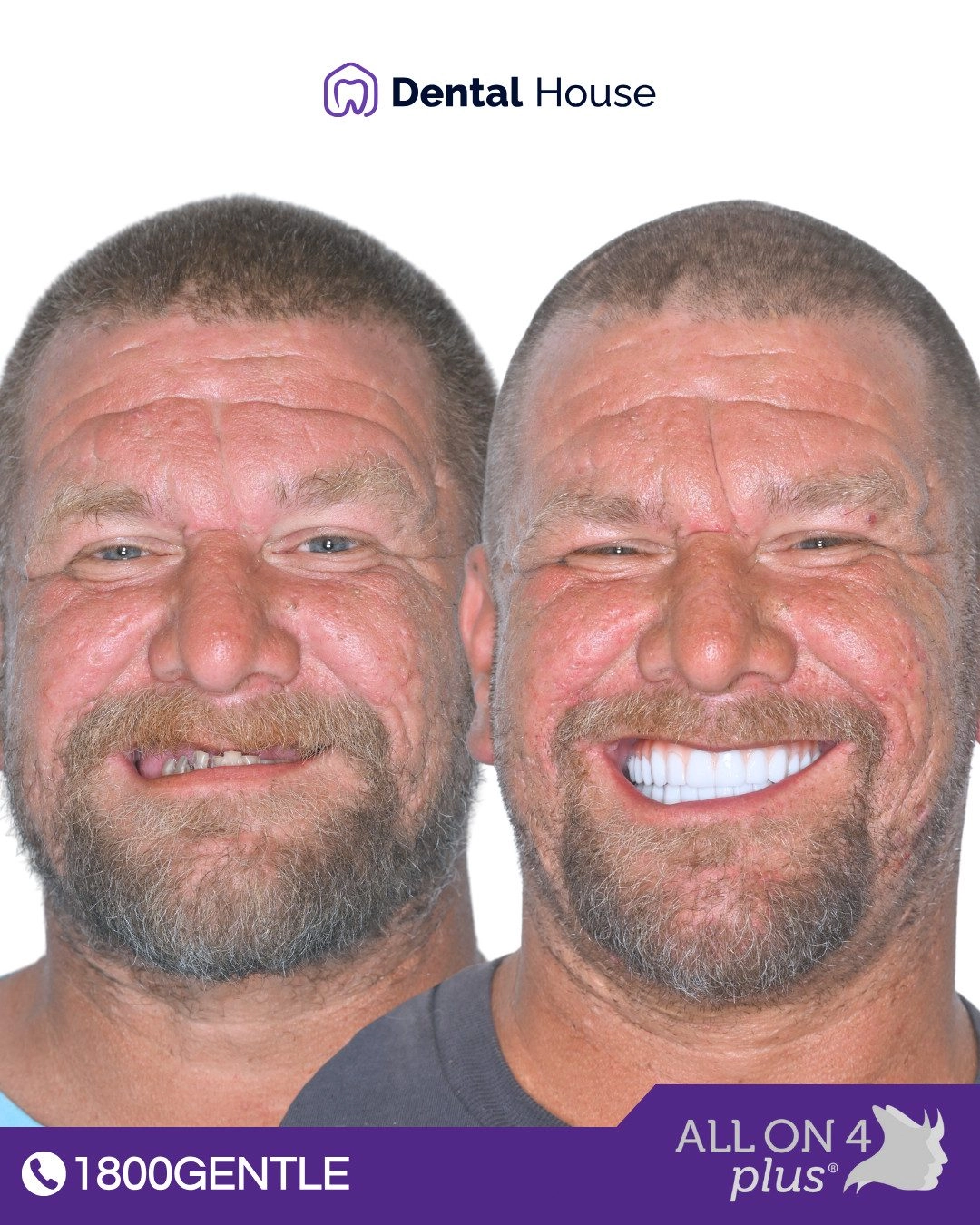
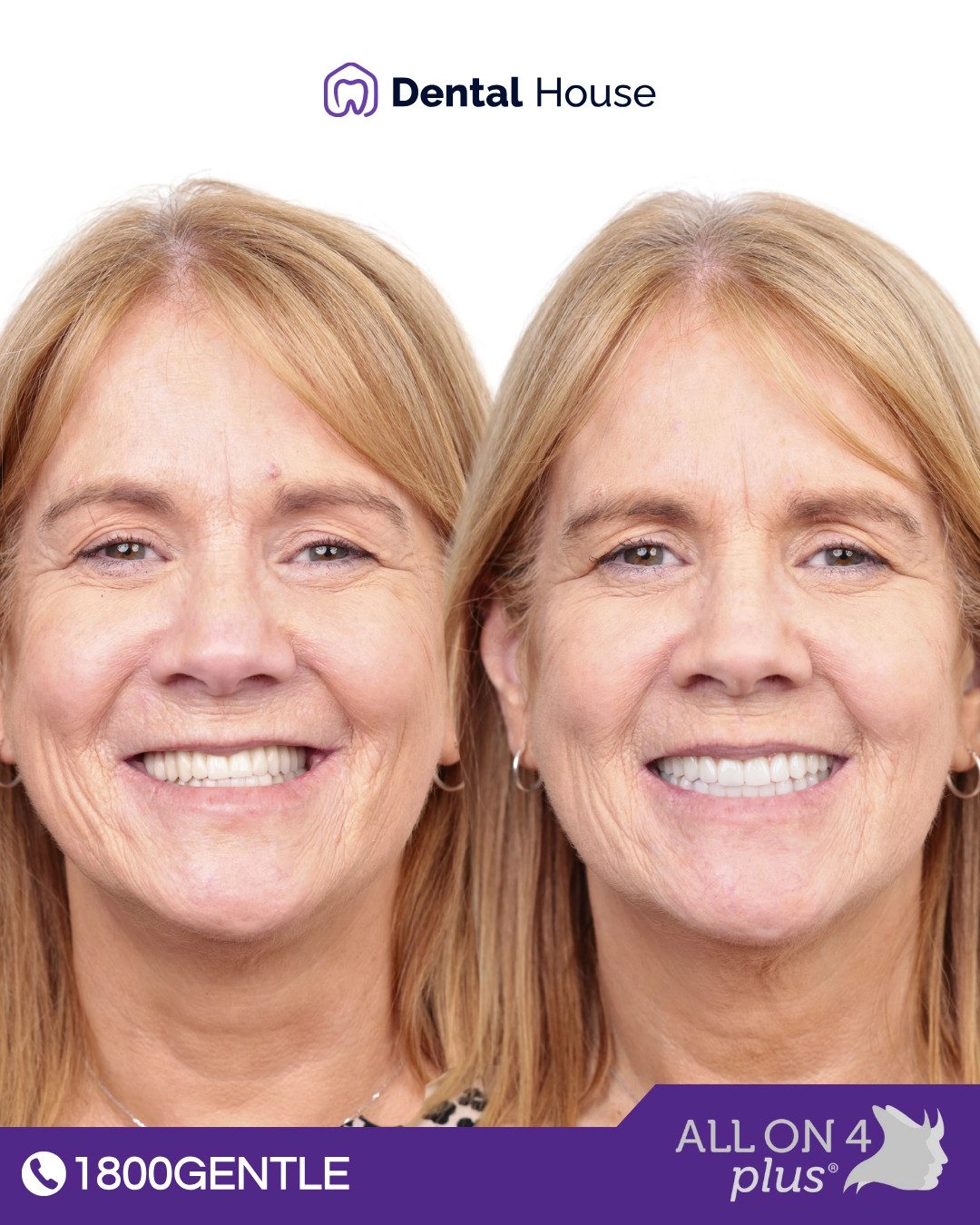

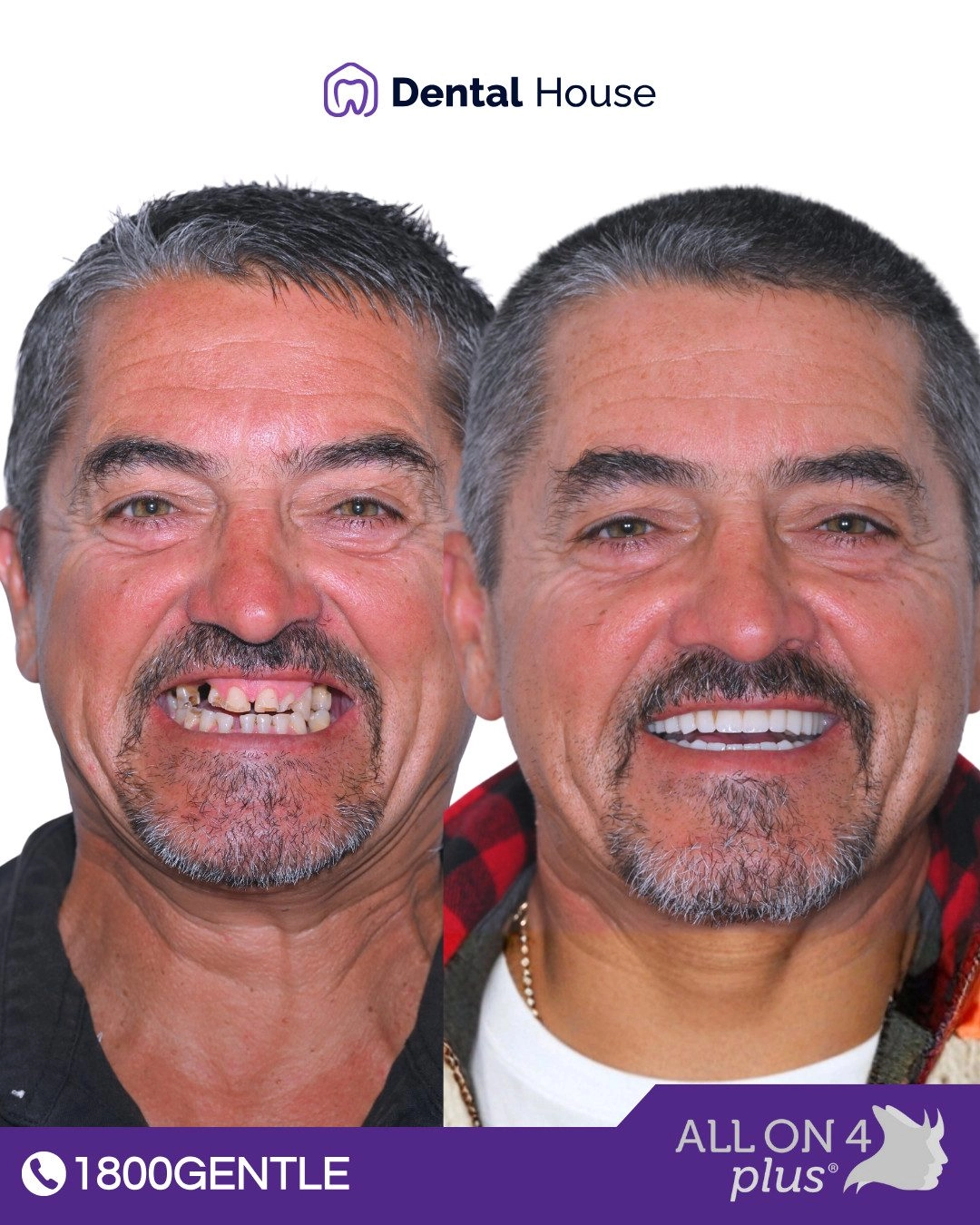
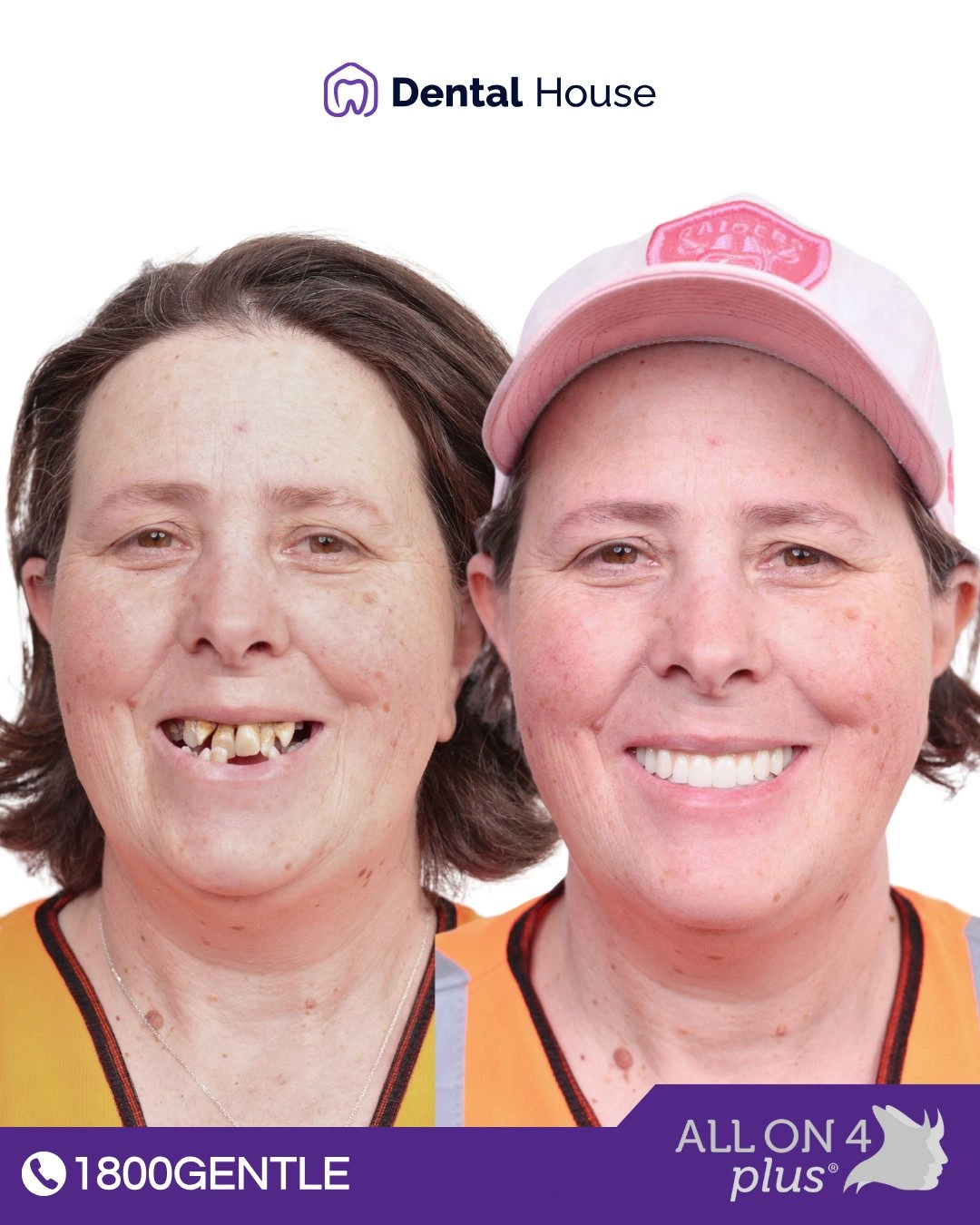



When considering dental implants to replace missing teeth, one of the most common concerns patients express involves whether they have sufficient bone structure to support successful treatment. Understanding bone density for dental implants and how it affects treatment outcomes can help you make informed decisions about tooth replacement options.
At Sunbury Dental House, we regularly assess bone quality and quantity for patients from Sunbury, Gisborne, and Diggers Rest who are exploring dental implant treatment. This article explains what role bone density plays in implant success and what options may exist for patients with varying bone conditions.
Understanding Bone Density and Its Role in Implant Success
Bone density refers to the strength and quality of bone tissue, which plays an important role in how well dental implants may integrate with the jawbone during healing.
Successful dental implants depend on osseointegration, where the titanium implant fuses with surrounding bone tissue. This integration requires adequate bone contact with the implant surface and sufficient bone quality to support the process. Several elements influence bone density for dental implants including age, time since tooth loss, general health conditions, medications, and lifestyle factors like smoking.
Bone Classification Systems
Dental professionals use classification systems to assess bone quality when planning implant treatment. One common system categorises bone into four types:
Type 1 is very dense cortical bone, strong but sometimes challenging for integration due to limited blood supply. Type 2 combines thick outer bone with substantial inner bone, generally considered ideal for implants. Type 3 has thinner outer bone with good inner bone strength, common in many patients and suitable for implant treatment. Type 4 features thin outer bone with low-density inner bone, which may require additional procedures.
Beyond density, the amount of available bone in height, width, and depth affects implant placement options.
Assessment Methods for Bone Density
Determining bone density for dental implants involves diagnostic approaches that help evaluate treatment suitability.
Initial clinical examination includes evaluating ridge width and height, tissue quality, bite relationships, and opposing teeth position. Panoramic X-rays provide overview images of bone height and jaw structure, though they have limitations in assessing density.
Cone beam CT scans offer three-dimensional imaging that allows precise measurement of bone dimensions, density assessment, identification of anatomical structures, and detailed treatment planning. These scans have become the gold standard for implant planning.
Bone Density Requirements for Different Implant Types
Different implant designs may have varying bone density requirements, allowing treatment options for patients with different bone conditions.
Standard implants typically require adequate bone width (usually 5-6mm minimum), sufficient height for implant length, and bone density supporting the osseointegration process. Short and wide implants may be options when vertical bone height is limited, potentially reducing the need for bone augmentation. For severe upper jaw bone loss, zygomatic implants may anchor in the cheekbone rather than the jaw.
When Bone Augmentation May Be Recommended
If you don’t have sufficient bone density or volume, bone augmentation procedures may help improve implant success potential.
Socket preservation involves placing bone material in an extraction site immediately after tooth removal to maintain bone volume. Ridge augmentation procedures increase bone width or height in areas where natural bone has resorbed. For upper back teeth areas, sinus lift procedures involve lifting the sinus membrane and placing bone graft material to increase vertical bone height.
Various graft materials may be used including your own bone from another site, processed donor bone, synthetic bone substitutes, or combinations of different materials.
Factors That May Affect Bone Density for Dental Implants
Understanding what influences bone quality helps explain why some patients may have more favourable conditions for implant treatment.
Medical conditions like osteoporosis, diabetes, autoimmune conditions, cancer treatments, and medications like bisphosphonates may influence bone quality. Bone naturally resorbs after tooth loss, with the greatest changes occurring in the first year, longer periods typically mean more bone loss. Previous gum disease, dental infections, or trauma may have affected bone levels. Smoking significantly affects bone healing and implant success rates, while poor nutrition and excessive alcohol can impact bone density and healing capacity.
Success Rates and Bone Density Considerations
While bone density plays an important role, modern techniques have expanded treatment possibilities for patients with varying bone conditions.
Research suggests implant success depends on multiple factors beyond bone density alone, including surgical technique, implant design and surface characteristics, proper treatment planning, post-operative care compliance, and ongoing maintenance. Success potential varies significantly between individuals based on overall health, healing capacity, oral hygiene maintenance, and multiple anatomical factors.
Making Treatment Decisions
Determining whether you’re a candidate for dental implants involves comprehensive assessment of bone density and other factors.
Your dental team will consider bone density and volume, overall health and medical history, aesthetic and functional goals, timeline preferences, and various treatment options including alternatives. Understanding that treatment approaches vary based on individual bone conditions helps inform decisions. Bone augmentation may be recommended for some patients, healing timelines vary, and success depends on multiple factors beyond bone density.
For patients where implant treatment may not be suitable, alternatives might include removable dentures, fixed bridges supported by natural teeth, or implant-supported overdentures requiring fewer implants.
What You Can Do for Successful Outcomes
Successful dental implant treatment requires careful planning that considers bone density alongside other important factors. Before treatment, optimising your oral health, addressing any medical conditions affecting healing, quitting smoking if applicable, and improving nutrition to support bone healing may help. After treatment, following specific healing protocols, maintaining excellent oral hygiene, attending all follow-up appointments, and avoiding habits that could compromise healing supports successful implant integration.
The Bottom Line on Bone Density
Here’s the thing, bone density for dental implants is definitely important, but it’s not the only factor that matters. Modern dentistry has come a long way, and many patients who might have been told “no” years ago now have viable options.
Whether you have ideal bone density or need some additional procedures first, the key is getting a proper assessment from experienced professionals who can explain what’s realistic for your situation. For residents of Sunbury, Gisborne, and Diggers Rest considering dental implants, professional evaluation can help determine the most appropriate path forward.
Schedule Your Implant Consultation
If you’re considering dental implants and wondering whether your bone density is adequate for treatment, we encourage you to schedule a comprehensive evaluation to discuss your individual circumstances and explore available options.
At Sunbury Dental House, our experienced team can assess bone density for dental implants using advanced diagnostic technology and discuss treatment approaches that may be suitable for your specific situation. We’ll provide detailed information about what to expect and help you make informed decisions about tooth replacement.
Call us on 03 8820 1809 or fill out our enquiry form to schedule your implant consultation. Let us help you understand your options for successful tooth replacement.
Frequently Asked Questions
Can dental implants be placed if I have low bone density?
Many patients with reduced bone density may still be candidates for dental implants, though treatment approaches may vary. Options might include bone augmentation procedures, alternative implant designs, or modified treatment protocols. Comprehensive evaluation can help determine suitable approaches for your specific bone condition.
How is bone density measured before implant placement?
Bone density assessment typically involves clinical examination and advanced imaging such as cone beam CT scans that provide three-dimensional views of bone structure. These evaluations help determine bone quality, quantity, and appropriate implant placement strategies for optimal outcomes.
How long does bone grafting take before implants can be placed?
Healing time after bone grafting varies depending on the extent of grafting and individual healing factors, typically ranging from several months to six months or more. Your dental team will monitor healing progress and determine when adequate bone integration has occurred for implant placement.